WITH Sarawak’s tourism industry being severely affected during the first two years of Covid-19 (2020–2021), the authorities had to act fast to get the sector back on track.
At the time, international borders were closed and travel was heavily restricted, creating unprecedented challenges for tourism players.
This was when agencies such as the Sarawak Tourism Board (STB) and tourism media outlet BorneoTalk stepped in with innovative strategies to sustain interest in Sarawak as a travel destination.
In the second part of this series, we will explore how STB and BorneoTalk navigated the tourism landscape during the pandemic and kept the spirit of travel alive despite global shutdowns, lessons that can be learned from the pandemic, and the types of preparation that can be done if such situation recurs in the future.
Different Approach, Same Aspiration
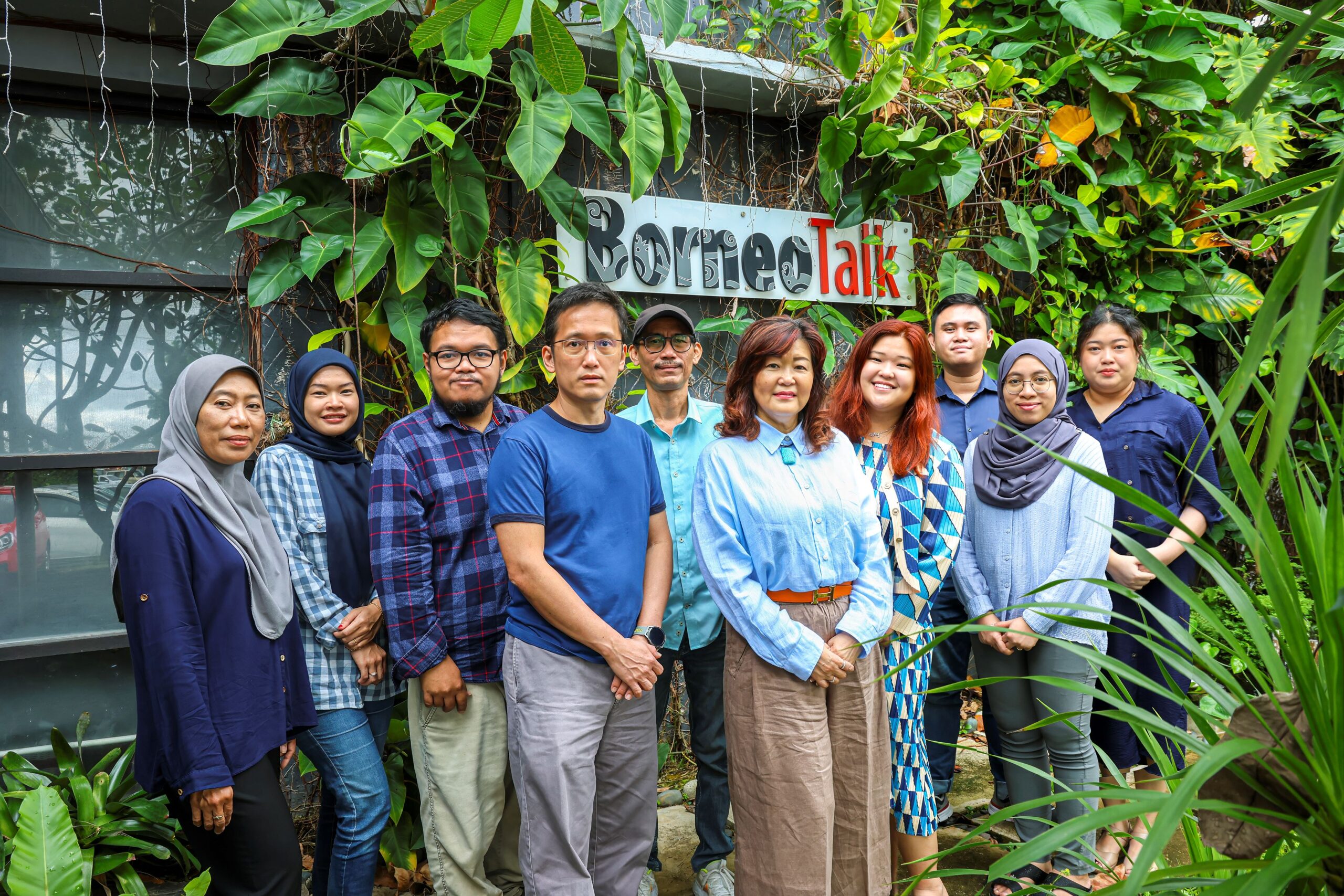
For BorneoTalk, which is one of Sarawak’s premium tourism magazine outlets, the first two years of the Covid-19 pandemic did not stop it from publishing.
Instead, it became a call to rise. Thus, the pandemic made the publication step into a new role, not just as a storyteller, but a source of hope and aid for the people it serves.
BorneoTalk founder Ivy Pan said at a time when movement was restricted and borders closed, the magazine continued its print and digital publication.
“Instead of silencing the voice, we doubled down, offering timely content including Covid-19 awareness articles, tips on staying safe, and in-depth features on destinations to dream about and visit once travel resumes, presented in picture layout with the aim to create detailed mental images.
“Reading became a lifetime for many during lockdown. We wanted to give out readers a sense of hope, that beautiful places, delicious food and unique experiences are still waiting for them,” she said.

Throughout the pandemic, Pan added that despite the restriction, BorneoTalk remained steadfast in its mission to promote Sarawak to the world.
“While physical travel was not possible, the team quickly adapted to the changing landscape by shifting focus to the digital platform.
“Through consistent, creative and interactive content, BorneoTalk ensured that Sarawak’s tourism products, from its breathtaking natural attractions to its rich cultural heritage and delicious cuisine remained visible, relevant and engaging to both local and international audiences,” she added.
STB’s chief executive officer Sharzede Salleh Askor said when the pandemic first struck in 2020, the tourism agency acted swiftly and decisively.
“Our immediate priority was to understand the full extent of the crisis. In April 2020, we conducted a rapid stateholder survey to assess the ground realities such as cancellations, business shutdowns, income lossess.
“The insights gathered became the foundation for a joint stimulus response with Ministry of Tourism, Creative Industry and Performing Arts,” she said.
Sharzede added that by the second quarter of 2020, the tourism agency launched its comprehensive “3R Strategy”: Rebuilding, Recovery, Redialing, which served as a roadmap to support the tourism ecosystem through each phase of the crisis.
“The first phase focused on rebuilding, with initiatives such as the Online Ecosystem Fund to help tourism SMEs go digital and the “Jejak Digital” programme, which provided digital skills training to rural communities and operators.
“Equally important was communication and morale. Despite the unprecedented uncertainty, we made it a point to maintain optimism and unity within the industry.
“I remember saying then: “we carry on with whatever aspects of work we can” and that spirit guided our team.
“In a symbolic show of solidarity, hotels lit up heart-shaped lights to honour our frontliners, and we used our digital platforms to spread messages of hope,” she said.

Promoting Sarawak On Social Media Amid Pandemic
Pan said that BorneoTalk harnessed the power of social media and its website to keep the spirit of travel alive, with its Facebook and Instagram accounts becoming vibrant platforms where followers could explore Sarawak from the comfort of their homes.
“Daily postings featured a mix of captivating images, fun facts, short videos and interactive games, all centered around Sarawak’s tourism gems.
“These ranged from well-known destination such as Bako National Park and the Mulu Caves to lesser-known local treasures, traditional food, indigneous crafts, and historical facts that sparked curiosity and excitement,” she said.
She added that one of the most effective strategies employed was the use of interactive games and quizzes designed to test and grow audience knowledge about Sarawak.
“These engaging activities not only entertained users during lockdown periods but also kept them mentally connected to the ideal of travel and exploration.
“Viewers could guess famous Sarawakian dishes, or identify locations from photos on the “raon raon Sarawak” column that was created during the lockdown.
“This interactive approach created a sense of community among followers and served as a constant reminder that Sarawak would be waiting for them once it was safe to travel again,” she added.

Sharzede said while major events such as the Rainforest World Music Festival 2020 were postponed in the interest of public health, STB quickly shifted its focus to keep Sarawak top-of-mind.
“Our digital engagement efforts increased substantially, ensuring that even when borders were closed, the spirit and stories of Sarawak remained visible to the world.
“Simply put, we never stopped our marketing efforts, we adapted, and prepared ourselves for recovery from day one,” she said.
Echoing the same sentiment, Pan stated that BorneoTalk’s commitment to content consistency and creativity throughout the pandemic played a crucial role in keeping Sarawak top-of-mind for future travellers.
“The platform didn’t just promote destinations — it told stories, sparked conversations, and kept the dream of travel alive at a time when the world was forced to pause.
“This forward-thinking approach ensured that interest in Sarawak did not fade, but instead grew stronger, building anticipation for the day when borders would reopen.
“In a time of global uncertainty, BorneoTalk stood out as a reliable and inspiring digital voice for Sarawak tourism.
“Through its engaging online presence, it successfully transformed a period of inactivity into one of strategic visibility, proving that tourism promotion doesn’t stop when travel does — it simply evolves,” she said.
STB: Main Backer Of Tourism Players During Pandemic
During the pandemic, Shazede said that STB shifted gears from growth to survival, with its strategies focused on safeguarding livelihoods, restoring confidence, and building resilience across the sectors.
“First and foremost, we worked closely with the State Disaster Management Committee (SDMC) to implement and communicate strict standard operating procedures (SOPs) across tourism touchpoints.
“Health safety became a cornerstone of our recovery approach — with detailed protocols on sanitisation, capacity control, and mask-wearing communicated widely.
“This helped rebuild traveller confidence and allowed tourism operators to reopen safely when restrictions eased,”she said.
The other initiative that STB took, Sharzede added, was to reorient its strategy towards domestic tourism.
“Under the Sia Sitok Sarawak Campaign, we launched attractive intra-state travel packages with discounts of up to 50 per cent, encouraging Sarawakians to explore their own backyard.

“Later, we expanded the initiative with the Visitors’ Incentive Package (VIP) to include Malaysians from other states. This domestic-first strategy proved vital — it sustained tour guides, park rangers, and transport providers through the worst of the lockdown period.
“We also addressed the financial and digital gaps. Through the Online Ecosystem Fund and the Strategic Partnerships Collaboration Fund, we helped SMEs digitise their businesses, create new marketing materials, and maintain visibility online. Additionally, some hotels were designated quarantine centres under paid government arrangements — providing them with a temporary financial lifeline,” she said.
Shazede stated that any downtime didn’t go to waste, with STB launching capacity-building webinars, digital skills training, and product knowledge sessions, ensuring tourism operators could upskill and adapt to new market realities.
“In fact, over half of the industry stakeholders we surveyed identified digital upskilling as a critical need during that period.
“Throughout it all, constant engagement was key. We maintained close communication with industry players via virtual platforms like the Sarawak Tourism Coordination Committee and our Tourism Task Force.
“This two-way dialogue ensured that our support measures remained relevant and responsive to real-time challenges — from fluctuating SOPs to recovery timelines,” she said.

BorneoTalk At Expo 2020 Dubai
Pan revealed that BorneoTalk took part in a talk show at Expo 2020 Dubai, hosted at the Malaysia Pavilion, and the event occurred towards the end of 2021, at a time when the world was beginning to re-open and reconnect after the challenges of the Covid-19 pandemic.
“The participation not only marked a milestone for BorneoTalk but also served as a meaningful platform to share Sarawak’s unique identity with an international audience.
“The talk show was presented in a creative and interactive format, capturing the attention of global visitors with engaging storytelling and live cultural showcases.
“BorneoTalk highlighted the essence of Sarawak through its diverse culture, rich heritage, and distinctive local products.
“Among the highlights were traditional food such as the iconic Sarawak Laksa, the colourful and sweet kek lapis (layer cake), and the unique dabai keropok, a crunchy snack made from Sarawak’s native black olive fruit. These dishes not only represented the state’s culinary creativity but also gave visitors a literal taste of Sarawak’s vibrant flavours,” she said.
Throughout the Expo, Pan added that beyond food, it also introduced audiences to Sarawak’s natural and handmade products.

“Items such as the world-renowned Sarawak black pepper and Litsara products — crafted from native plants found in the rainforests of Sarawak — were showcased as examples of the region’s commitment to sustainable and natural living.
“Equally captivating were the intricate Sarawak handicrafts, including woven baskets, beaded accessories, and traditional textiles, each reflecting the deep cultural roots and skilled craftsmanship of Sarawak’s indigenous communities.”
The response from visitors was overwhelmingly positive with many intrigued by the exotic flavours of the food they sampled and the fascinating stories behind Sarawak’s natural wonders and traditions.
“For many, it was their first encounter with East Malaysia’s cultural and ecological richness, leaving a lasting impression and sparking interest in the state as a travel and investment destination,” she added.
Pan stated that BorneoTalk’s participation at Expo 2020 Dubai was more than just a showcase — it was a celebration of Sarawak’s identity and potential.
“Through thoughtful curation and engaging interaction, BorneoTalk helped bridge cultures and introduce Sarawak to a global audience in a memorable and meaningful way.
“It demonstrated how media, storytelling, and cultural diplomacy can come together to promote a region that is often underrepresented, yet full of beauty, innovation, and heritage,” she added.


Lesson From The Pandemic
For most tourism workers in the industry, one of the most prominent lessons they had learned during the pandemic is the importance of being adaptable.
For tour guide Norlin Mohd Salleh, the tourism industry can be very vulnerable to global events, so everyone must be prepared for change.
“I also learned the value of continuous learning and having a support network.
“Most importantly, I realised that resilience is not just about surviving but about staying hopeful and prepared for recovery,” she said.
On the other hand, tour guide Azhar Nor bin Mostapha Nor said in terms of resilience, tourist guides must be multi-skilled, so they have other sources of income to fall back on when the tourism industry comes to a standstill.
“They must have ample savings to sustain them during hard times. There’s no two-way about it, tourist guides must be tech and internet savvy.
“Tour guides must break from their dependency on tour agents and market themselves independently or through their associations worldwide,” he said.
In the next part of the series, we’ll be diving deeper into some of STB’s prominent initiative campaigns, including the Sia Sitok Sarawak Campaign, the gradual reopening, return of major festivals and foreign visitors and the Sarawak-Malaysia My Second Home (S-MM2H).