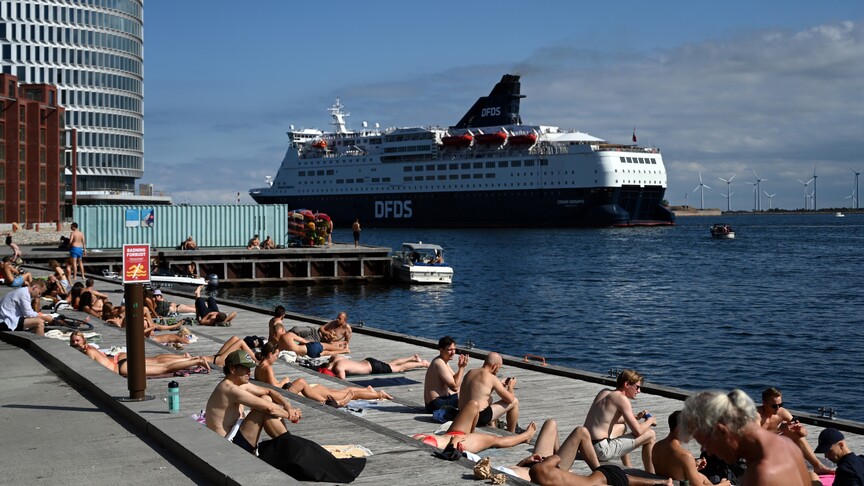
LONDON: The provisional mean temperature, in the United Kingdom (UK), for June, July and August was 16.10 degrees Celsius, surpassing the previous seasonal high of 15.76 degrees Celsius set in 2018, reported PA Media/dpa.
This follows just months after the United Kingdom recorded its warmest and sunniest spring since records began.
The consecutive record-breaking seasons have brought extended periods of hot, dry weather across much of the country, but they have also strained the environment and agriculture, resulting in hosepipe bans, drought orders, poor harvests, and dwindling reservoir levels.
All five of the UK’s hottest summers have occurred since 2000: 2025 (16.10°C), 2018 (15.76°C), 2006 (15.75°C), 2003 (15.74°C), and 2022 (15.71°C).
Met Office temperature data for the UK began in 1884.
Four heatwaves hit the UK this summer, all of which saw temperatures climb above 30°C, though none was quite as fierce as the heatwave of July 2022, when an all-time high of 40.3°C was reached.
The highest temperature recorded was 35.8°C at Faversham in Kent on July 1.
This year’s spells of intense heat were also relatively short-lived and did not persist for as long as in the scorching summer of 1976, when multiple locations across England endured heatwave-like conditions lasting more than two weeks.
Temperatures peaked above 32°C on 16 days during the summer of 1976, compared with nine days in 2025.
Met Office scientist Dr Emily Carlisle said: “The persistent warmth this year has been driven by a combination of factors, including the domination of high-pressure systems, unusually warm seas around the UK and the dry spring soils.
“These conditions have created an environment where heat builds quickly and lingers, with both maximum and minimum temperatures considerably above average.” – BERNAMA-PA Media/dpa