KUCHING: Sarawak’s internet coverage has now reached 92.6 per cent of populated areas, achieved through rural fibre expansion, new telecommunication towers, and satellite connectivity.
Utility and Telecommunication Minister, Datuk Seri Julaihi Narawi, said the milestone reflected the State’s commitment to ensuring reliable and inclusive digital access, particularly for rural communities.
“Clean power is the foundation, and reliable connectivity is the multiplier – the bridge to opportunities,” he said, highlighting that Sarawak’s digital expansion efforts are transforming lives across towns, longhouses, and remote settlements.
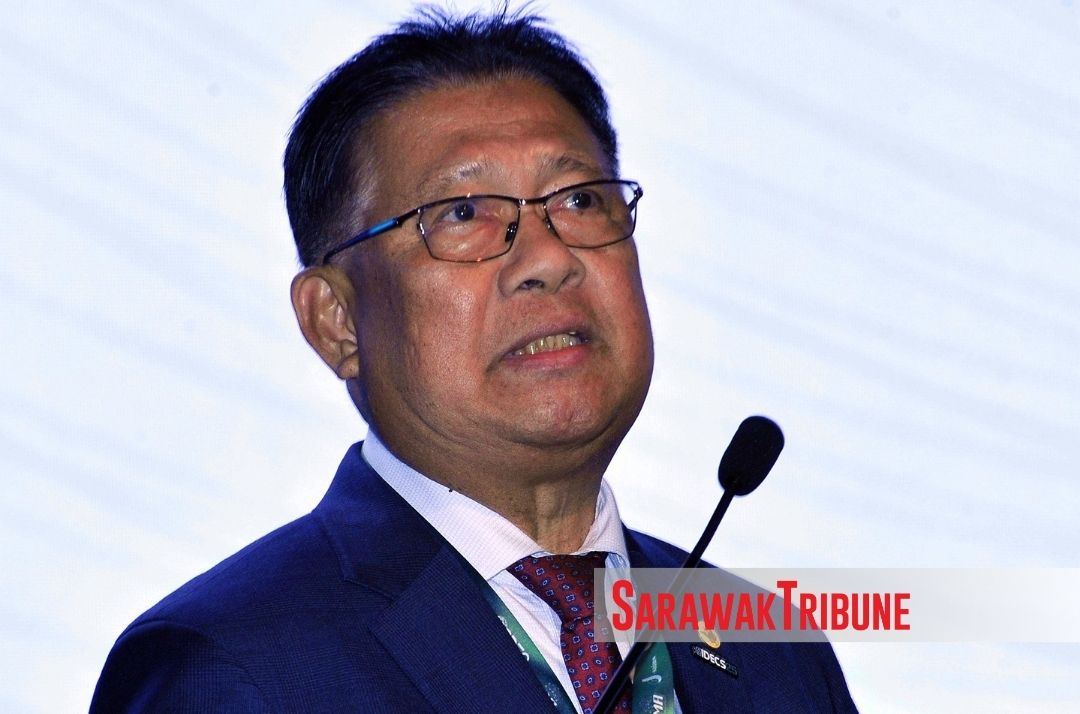
Julaihi said this in his keynote address for the 8th International Digital Economy Conference Sarawak (IDECS25) – Ethical AI and the Green Digital Economy: Sarawak’s Path to Regional Leadership in Utilities and Telecommunications – at Borneo Convention Centre Kuching (BCCK) here today.
Through Sarawak Digital Economy Corporation’s (SDEC) MySRBN initiative, more than 35,700 premises have been connected statewide, supported by 580 SMART transmitter sites.
These, he said, have enabled children to attend online classes, families to access telehealth services, and entrepreneurs to reach new markets.
He added that connectivity is more than just access to a signal; it also involves access to skills and services.
“The Malaysian Communications and Multimedia Commission (MCMC) has established 156 National Information Dissemination Centres (NADI) across Sarawak, providing communities with access to broadband connectivity, digital training, and government e-services,” he elaborated.
“Complementing this effort are the state’s initiatives through the Digital Community Centres (DCCs) and Digital Innovation Hubs (DIHs), which further strengthen access to digital opportunities, skills development, and innovation support in both rural and semi-urban areas.”
In 2023, Sarawak also made history by hosting Southeast Asia’s first 5G tower powered by a solar-hydrogen microgrid, operating cleanly off-grid as a testbed for future innovation.
Julaihi said Sarawak’s 5G rollout is progressing steadily, with coverage now at 63.8 per cent statewide and expected to exceed 80 per cent by the second half of 2026.
Future network deployments will increasingly integrate clean energy sources.
He noted that the state’s Internet of Things (IoT) networks are already enabling smarter energy use, automated irrigation systems, and digital water management initiatives that help reduce waste and support sustainability.
“Every digital service, every AI system, every smart city initiative depends on data — and data lives in data centres,” Julaihi added. “The question is not whether we build them, but how we power them responsibly.”
Julaihi said Sarawak’s abundance of renewable hydropower provides the state with a decisive edge to host green data centres, redefining what a climate-responsible digital economy looks like.
“We are turning our environmental strength into economic advantage. Every byte stored in Sarawak will soon be sustained by the same rivers that powered our history,” he stressed.