By Khaled Shawky ElBarbary
A taste can take you back decades – to childhood kitchens, street markets, or family gatherings long past. But food isn’t just about memory. What we cook and eat today affects our health, our planet, and generations yet to come, connecting us to history while offering a recipe for the future.
Every meal tells a story
FEW things carry memory like food. A single taste can pull us back through years, returning us to a kitchen long gone or to a childhood moment we thought we had forgotten. The smell of cinnamon might bring back a grandmother’s house, the crunch of fried bread a street market from youth, the sweetness of ripe mangoes a summer that felt endless. Food is not just nourishment; it is memory, identity, and sometimes even prophecy for who we may become.
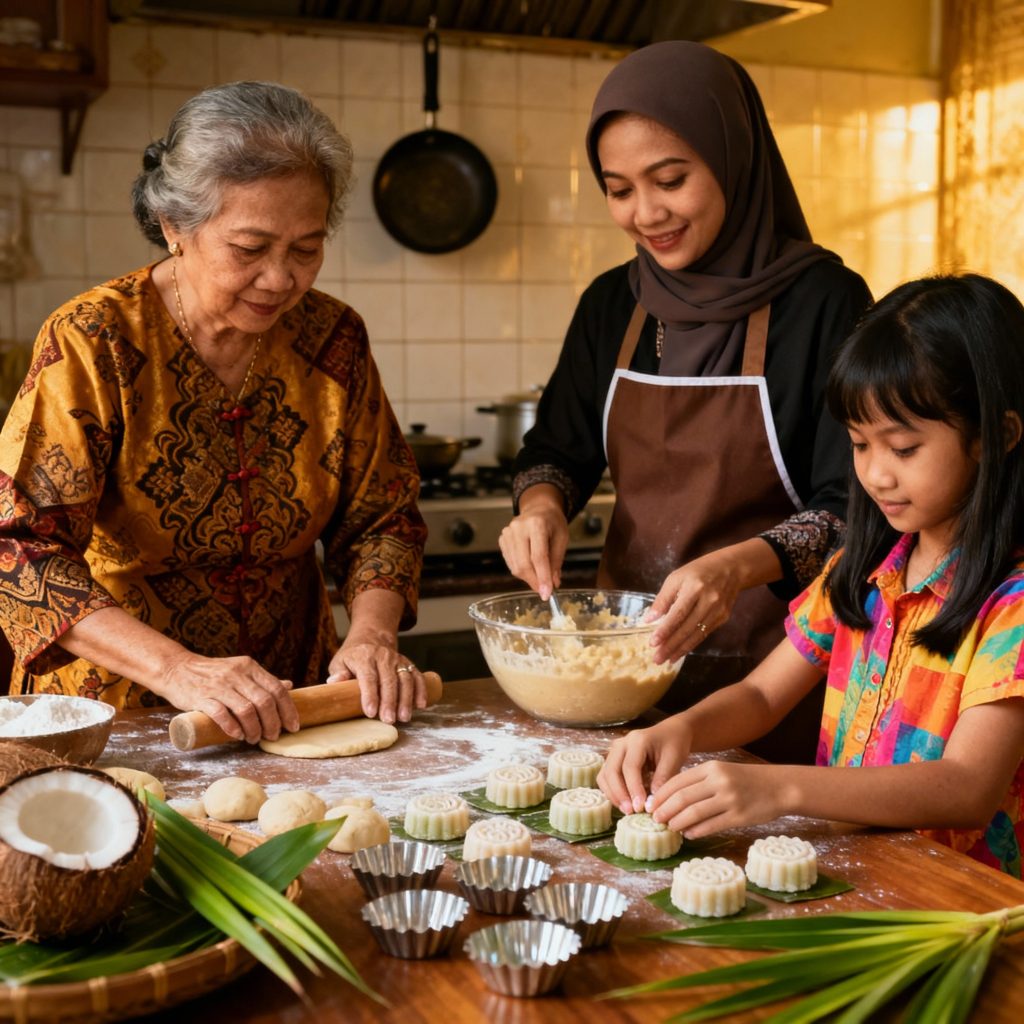
Every culture encodes itself in recipes. A wedding feast in one country might feature lamb slow cooked for hours, while another marks the occasion with rice, fish, or sweet cakes. These meals are more than celebrations; they are lessons. Children watching their parents cook learn not only how to prepare dishes but also who they are, where they come from, and what values their community holds dear.
For migrants, food often becomes the most tangible link to home. Families leaving one land for another may lose language fluency or traditional clothing, but the recipes remain. A Syrian family in Berlin preparing kibbeh, a Mexican mother in Los Angeles making tamales, or a Malaysian mother in São Paulo frying noodles all preserve identity through taste. The kitchen becomes a bridge across continents. The meal says: we may be far, but we are not lost.
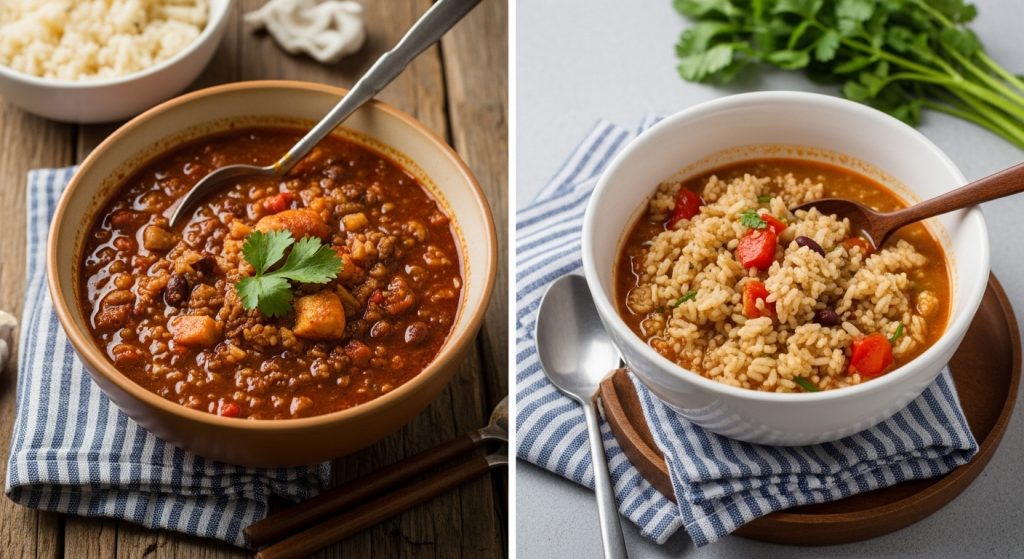
Food also teaches resilience. Consider how enslaved Africans in the Americas, denied freedom and dignity, preserved fragments of their heritage through food. Dishes such as gumbo or rice and beans were born of necessity but became symbols of survival. In difficult times, cooking becomes a declaration: we will endure, and we will remember.
But food is not only backward-looking; it is also future shaping. The way we eat today will determine the health of generations to come – and the health of the planet itself. Industrialised food systems, with their heavy reliance on processed sugar, meat, and plastics, threaten both our bodies and our environment. To choose differently – to value fresh vegetables, local produce, and sustainable practices – is to cook not only for our own table but for the tables of our grandchildren.
This dual role of food – memory and future – makes it unique among human practices. To eat is always to participate in both history and possibility. Each meal remembers ancestors and imagines descendants. The bowl before us is both archive and prophecy.
Communities are rediscovering this truth in practical ways. In many cities, urban gardens are sprouting in empty lots. Neighbours gather to plant, harvest, and cook together. In these spaces, children learn that tomatoes do not grow in supermarkets and that soil has its own rhythm. Elders teach recipes, passing down culture alongside skills. The garden becomes not only a food supply but also a school, an archive, and a meeting ground.
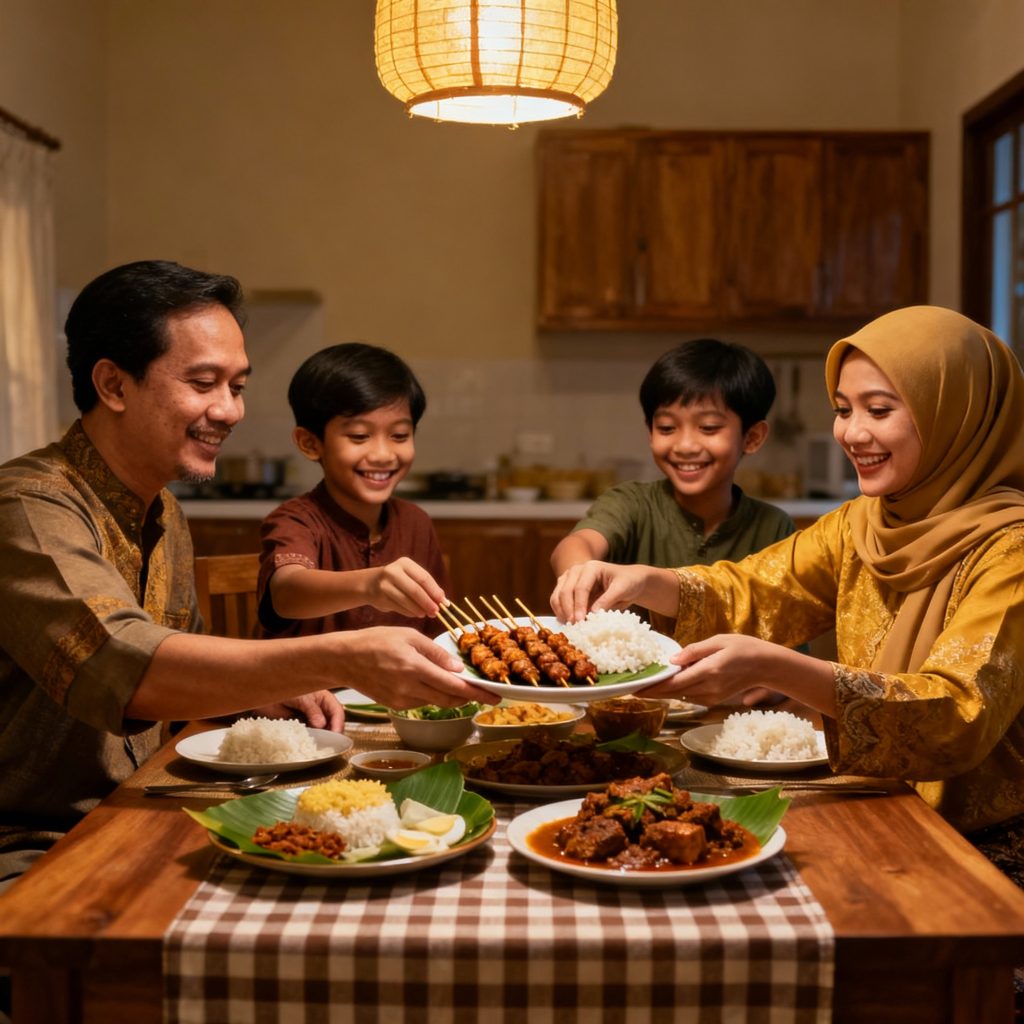
Family tables, too, carry immense power. Studies show that children who eat regularly with their families perform better academically and report higher emotional well-being. The act of gathering around a meal creates belonging, even if the food itself is simple. A bowl of soup eaten together can provide more nourishment than a gourmet dish eaten alone.
There is also joy in experimentation. Food memories can evolve rather than freeze. A grandmother’s stew may be recreated with new spices found in a foreign land. A traditional dessert may be made lighter for health reasons. Each adaptation shows that memory is not fragile but flexible. Culture is preserved not only by repetition but by reimagining.
The stories tied to food matter as much as the ingredients. A father teaching his son to make coffee explains patience: let it simmer, don’t rush. A mother sharing the secret to rolling dough explains resilience: sometimes it tears, start again. A grandparent reminding the family that the dish must be shared explains generosity: food tastes best when offered. These lessons are remembered long after the meal itself.
At the same time, the food of the future challenges us. How can we eat in ways that honour memory but also respect the limits of the Earth? Climate change forces us to rethink meat-heavy diets, reconsider food waste, and value crops that nourish without destroying ecosystems. What we place on the plate is no longer just a personal choice; it is an act of environmental ethics.
Perhaps the way forward is not to abandon tradition but to reinterpret it. Many traditional diets were, by necessity, plant-based, seasonal, and waste-conscious. Revisiting these roots offers clues for modern sustainability. The wisdom of ancestors may yet guide the survival of descendants.
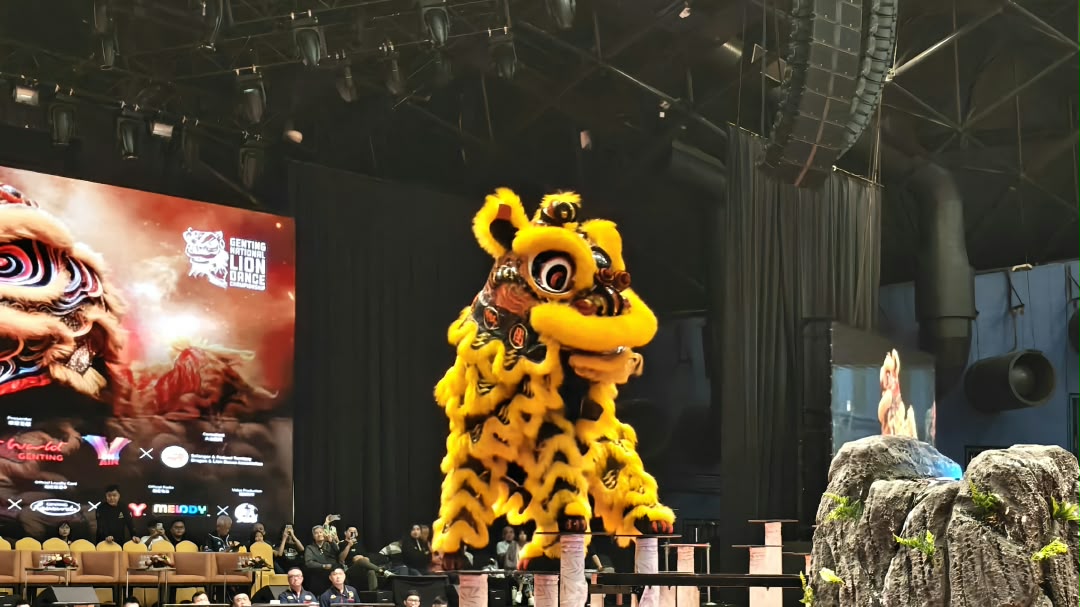
Food also binds strangers. A shared table can break down barriers more effectively than debate. Sitting together over bread and stew, people discover common ground. This is why peace talks often include meals, why festivals revolve around food, and why neighbours bring casseroles in times of grief. Food speaks a language older than politics – the language of survival and generosity.
In daily life, this truth is accessible to anyone. Invite a neighbour for tea. Cook a family recipe and tell its story. Try a dish from a different culture with openness and respect. Teach a child to bake not just for taste but for the lessons hidden in the flour. In each act, memory is preserved and the future is built.
In the end, food teaches us something profound: that life itself is shared. No one eats alone – not really. Every meal involves farmers, traders, cooks, and ancestors. Every bite carries history and points towards future possibilities. To eat consciously is to remember who we are and to decide who we will become.
Food as memory, food as future. It is heritage passed down and hope passed forward. To cook and to eat is to take part in the great human story – one recipe at a time.