KUCHING: What should be a fun and stress-relieving activity is increasingly becoming a battleground, with aggression and injury risks escalating among Malaysia’s social football players.
Social football has long been a popular way for working adults and sometimes students to unwind, stay fit, and build friendships.
However, sports analyst Datuk Dr Pekan Ramli warns that rising aggression and reckless play are threatening both player safety and the spirit of the game.
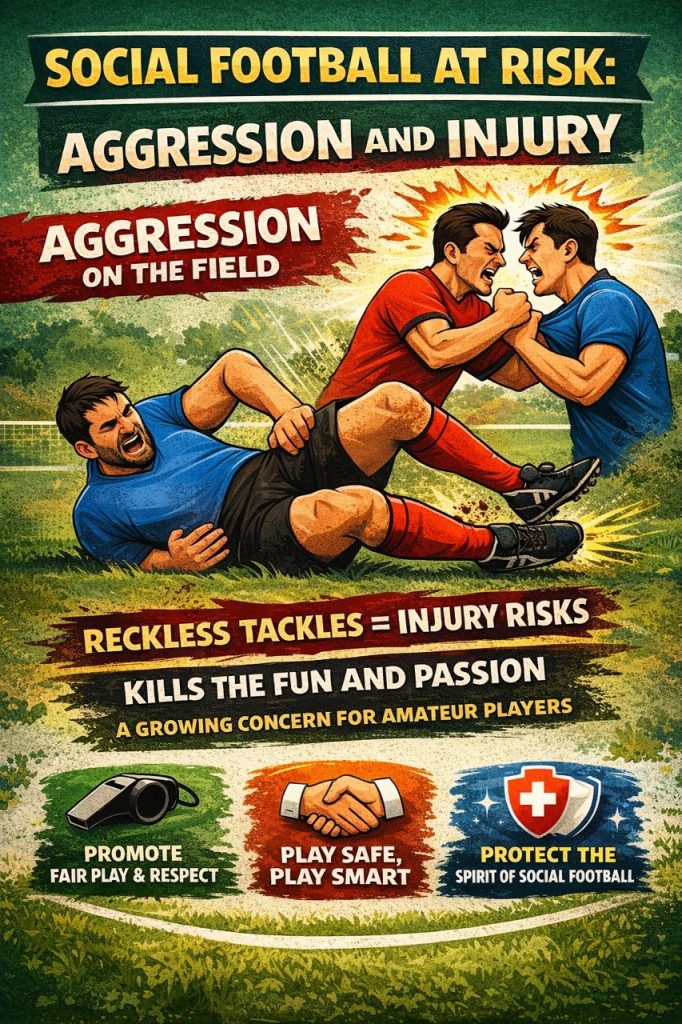
“Aggression and violence in Malaysian social football among working adults may stem from the complex, high-pressure lifestyles they lead today,” Pekan told Sarawak Tribune when contacted recently.
He explained that many players fail to clearly separate the casual nature of the game from competitiveness, often bringing workplace stress and a ‘warrior mentality’ to the pitch.
“They sometimes use the sport as an outlet for misplaced competitive frustration, leading to unintentional aggression during play,” he added.
He also pointed to weak discipline and inconsistent rule enforcement as factors that exacerbate the problem.
“Poor referee performance or weak enforcement of rules encourages rough play and invites violent behaviour during matches,” he said.
To address these issues, Pekan stressed the importance of having clear, written rules regarding violence, even in social games.
“If violent incidents occur, they must lead to immediate removal and suspension from social football activities to ensure consistent consequences and prevent future incidents,” he added.
He said referees should be given the power and training to stop bad behavior early so that small problems don’t escalate.
Another important point is that team captains should watch over their players and help them control their actions.
“Giving captains responsibility for their teams’ conduct and promoting self-monitoring can help reduce aggression on the field,” Pekan reiterated.
Besides enforcing rules, he advocates for a culture of respect and fair play. He suggested making handshakes before and after games mandatory, and using social media to educate players about emotional control during matches.
“Practising a ‘Respect the Game’ culture and emphasising that fun and safety are the main goals in casual settings is crucial,” he stressed.
He also urged better management of playing environments, recommending proactive safety monitoring and the installation of CCTV (closed-circuit television) in high-risk areas to deter conflicts.
“Proactive field management to monitor and ensure safety must be enhanced. Increasing worries about aggression and safety are significant factors contributing to declining participation in traditional contact sports and shifting towards other sports,” he added.
He cited studies showing that more than a quarter of parents of children aged 5-12 discourage them from playing certain sports, especially rugby and football, due to fears of injury.
“The fear of injury, particularly concussions, has caused a decline in participation, especially in contact sports,” he said.
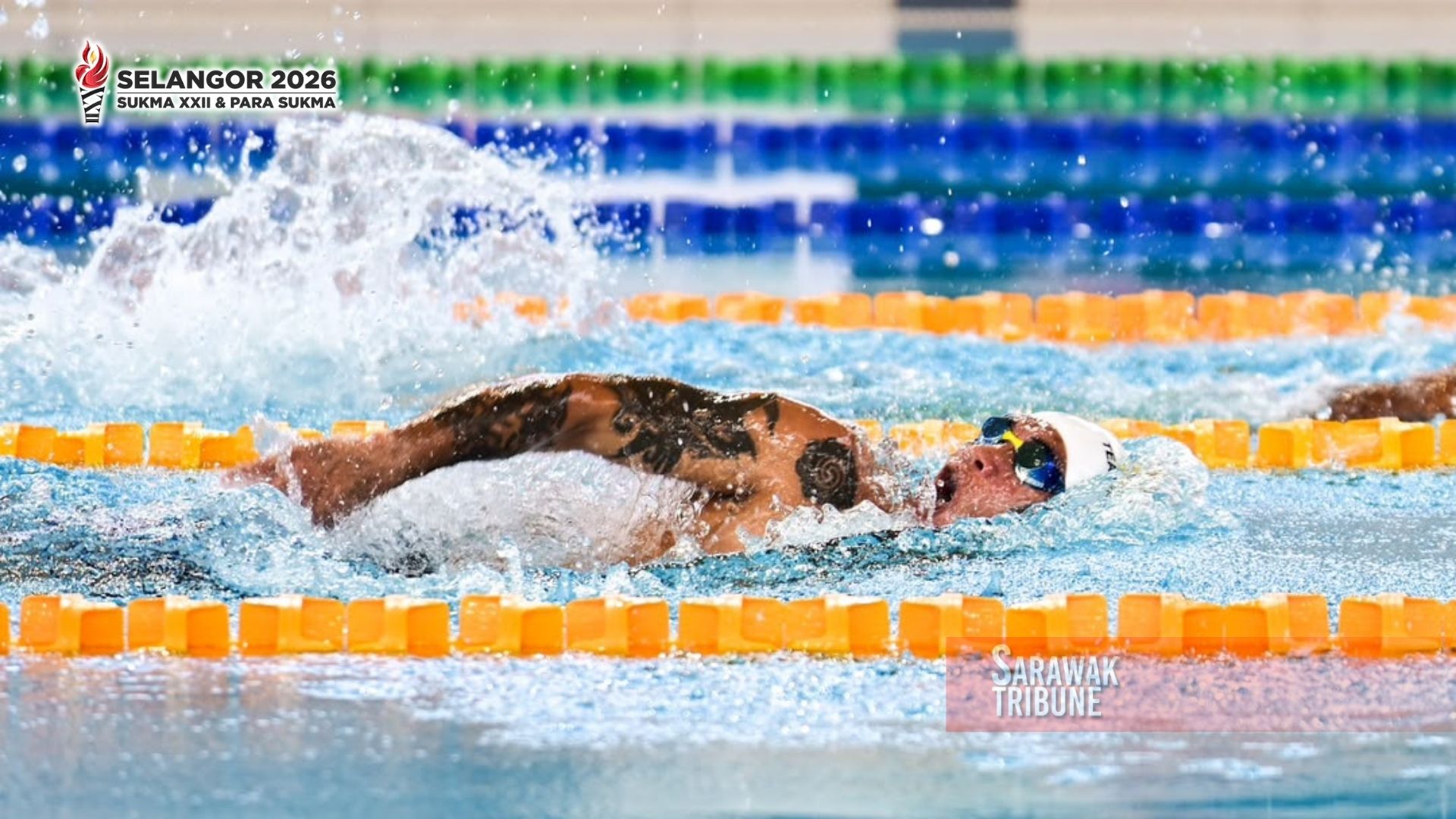
Since the pandemic, more aggressive and negative behavior in sports has made the problem worse, causing many people to choose safer activities like swimming, cycling, or e-sports.
Pekan said social football remains important for the community but needs changes to make it safe and positive again.
Without these changes, people are avoiding it because of injury fears and aggressive behaviour, choosing safer sports instead.