
KOTA SAMARAHAN: Ramadan bazaars draw large crowds each evening but some small stall operators here are proving that staying put can be just as rewarding.

For Nurfaizatul Nazreen, owner of Pudding Quesillo Cheese by Ummi Reen located at Merdang Gayam, the fasting month has given rise to brisk business without the need for a bazaar lot.
“Ramadan bazaars usually focus on daily staples like rice and fried noodles. Only a small number of vendors sell desserts,” she told Sarawak Tribune.
Specialising in trending sweets popular on social media, she considers herself fortunate that demand has not only remained steady but increased during Ramadan.
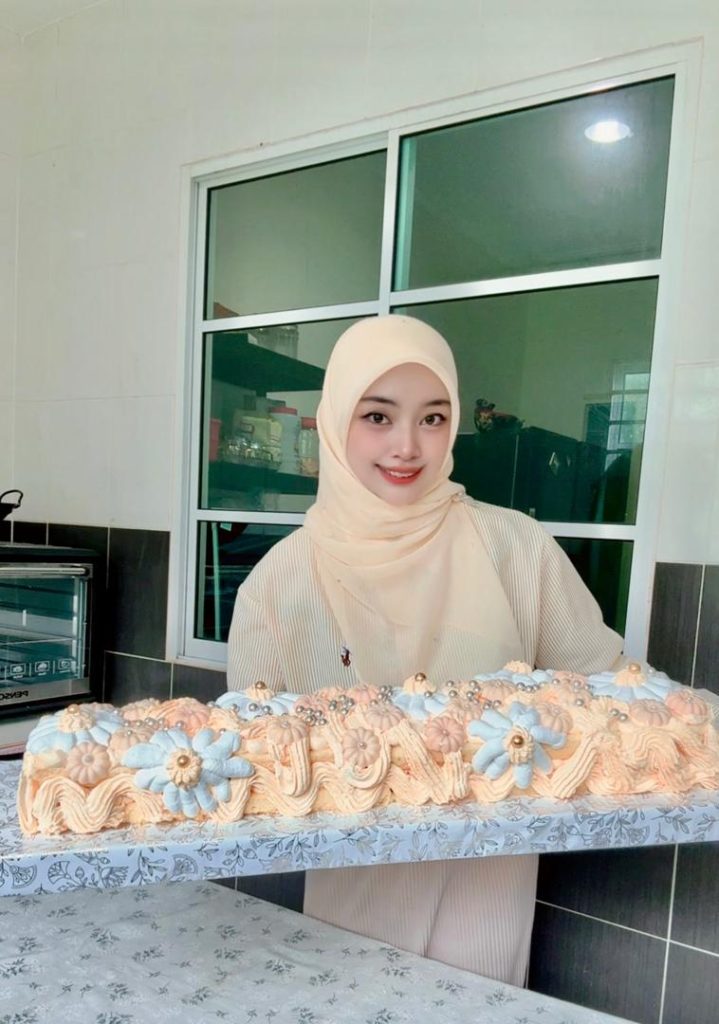
“In fact, my customer base has grown this month. Orders for my desserts keep increasing,” she shared.
Operating from home with a small-scale setup, Nurfaizatul chose not to participate in any Ramadan bazaar this year to maintain quality and manage orders more effectively.
“I still receive many dessert orders from regular customers.
“Even with a small stall at home, I can barely keep up. I don’t want to rush orders and compromise the quality of my food,” she explained.
However, like many small entrepreneurs, she faces mounting challenges, particularly rising raw material costs.
“The price of ingredients keeps increasing. The cost to make a single cake can reach up to RM1,000, and that doesn’t include other desserts,” she said.
Despite this, she believes Ramadan bazaars serve an important role in the community, offering convenience for working families who may be too tired to cook.
“People can just stop by a bazaar and have food ready for iftar without the hassle of cooking,” she said.
Still, she believes traders operating outside bazaar grounds are unlikely to be affected if they have loyal customers and actively promote their businesses, especially on social media.
“Promotion is very important. With good marketing, your stall will attract customers and won’t be affected by other bazaars,” Nurfaizatul added.
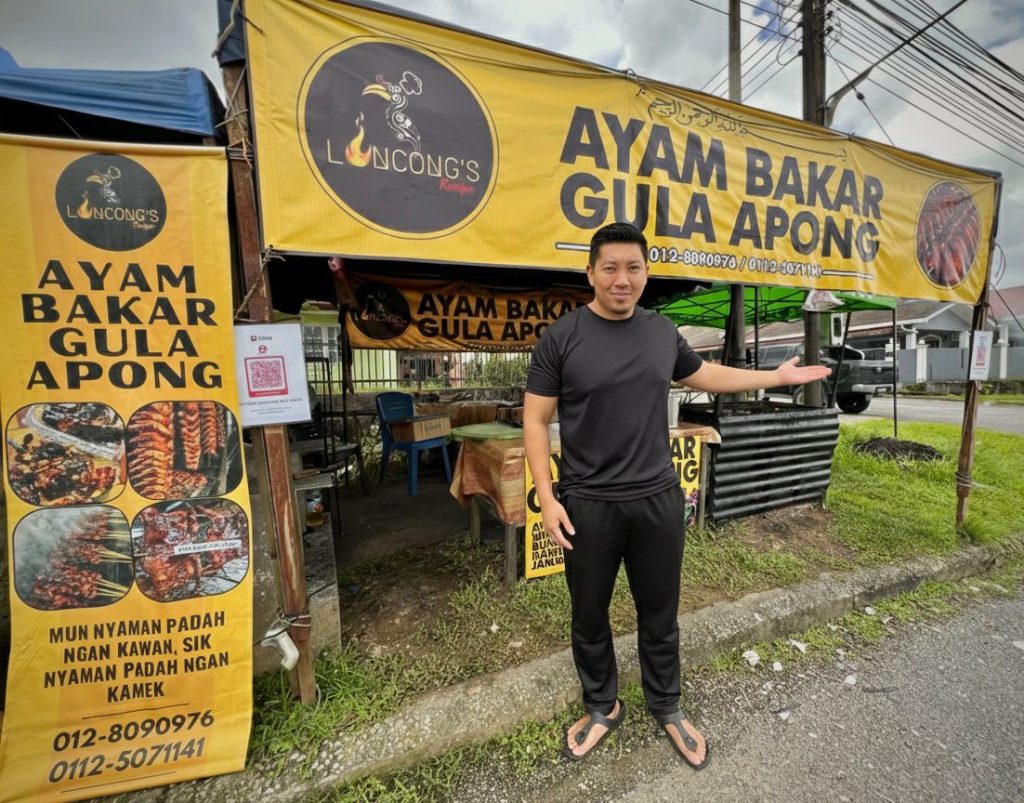
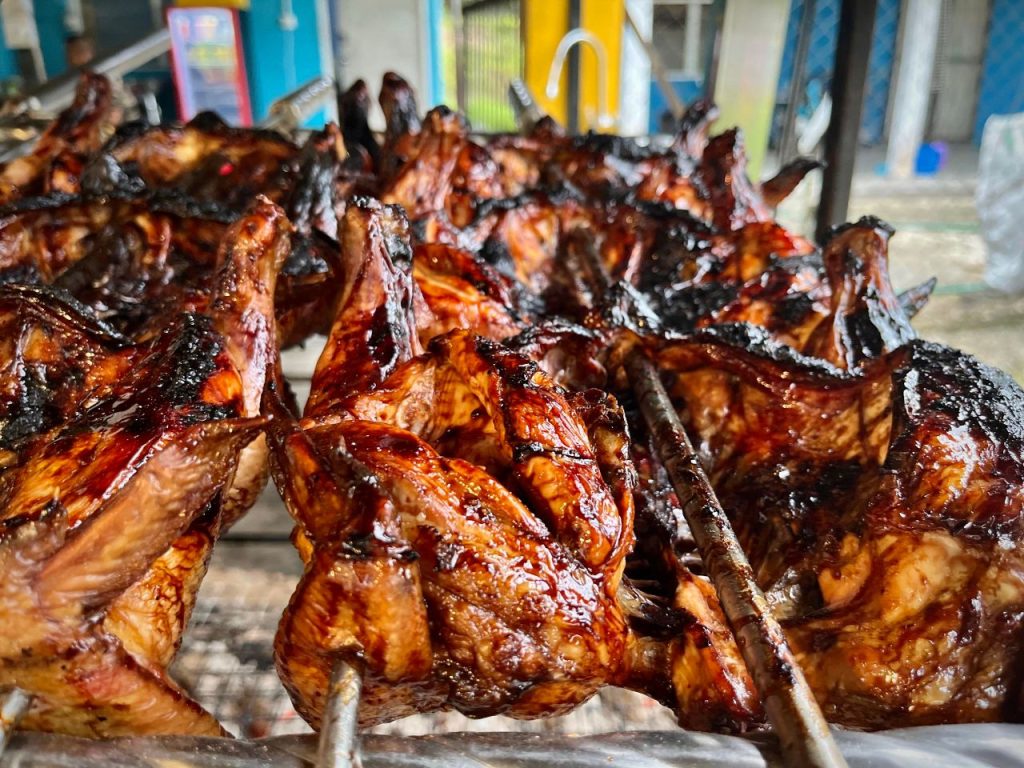
Meanwhile, Nuriqma Shahizar Sazali, owner of Ayam Bakar Gula Apong in Samarindah, also reported positive sales throughout the fasting month.
“There’s no negative impact. In fact, my income is higher than on normal days. It’s sustenance in Ramadan,” he said.
He opted not to join a bazaar but remain at his original location, making it easier for regular customers to purchase without navigating traffic congestion.
“I prefer to stay where I’ve already built my base. Customers nearby can buy conveniently,” he explained.
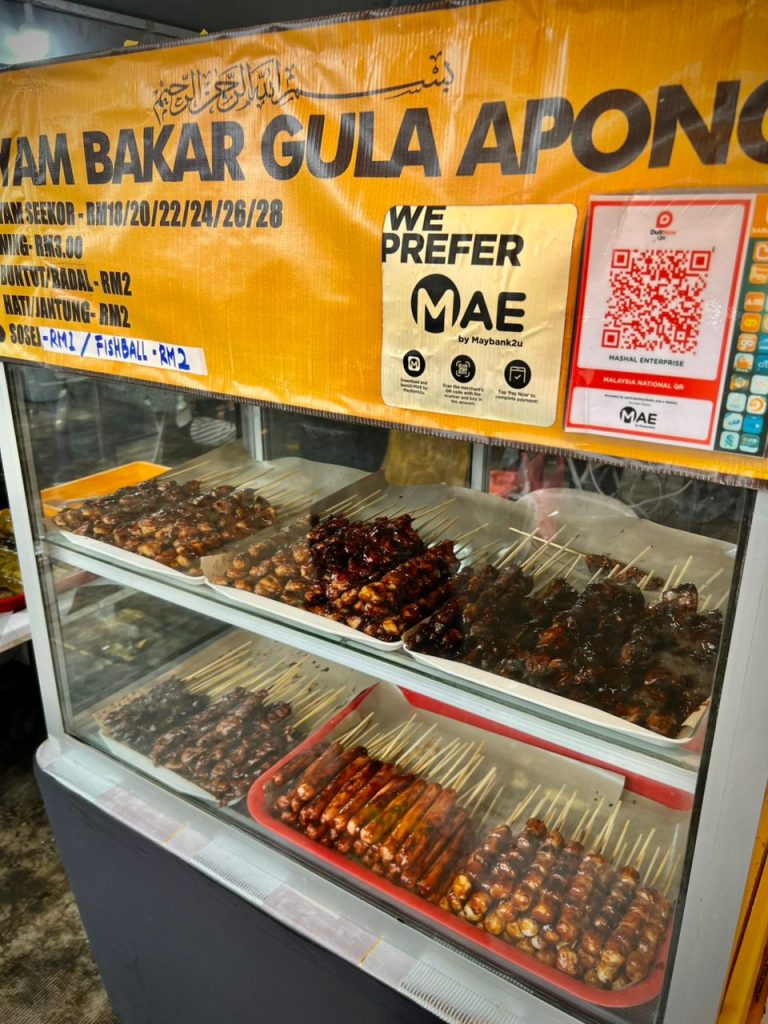
Among the challenges he highlighted are stiff competition during Ramadan and difficulties securing wet and dry supplies, particularly during the Chinese New Year period.
Compliance requirements such as licensing and vaccinations are also mandatory.
Nevertheless, he stressed that a suitable location and consistent customer support can shield traders from any bazaar-related impact.
“If the location is strategic and customers buy consistently, business won’t be affected.
“Of course, bazaar traders may earn more than usual, but staying put works for me,” he said.
For him, business is not solely about chasing higher profits during Ramadan.
“In Samarahan, I don’t feel the need to compete aggressively.
“I’m content with what I have so I can spend more time with family and focus on worship during Ramadan,” he added.
Both traders agree that consistency, maintaining product quality and continuous promotion are key to sustaining small businesses during the festive season.
“Stay positive, keep promoting, maintain quality and be consistent. Don’t operate on and off,” Nuriqma advised.
As Ramadan continues, these Samarahan entrepreneurs demonstrate that with loyal customers, smart marketing and steady quality, small businesses can thrive, even outside the bustling bazaar lights.