KUCHING: In the digital landscape of Sarawak, a growing number of home-based food entrepreneurs are proving that you don’t need a physical storefront to find success during the holy month.
By leveraging social media and pre-order systems, these “kitchen-preneurs” are carving out a lucrative niche, balancing family life with the seasonal surge in demand.
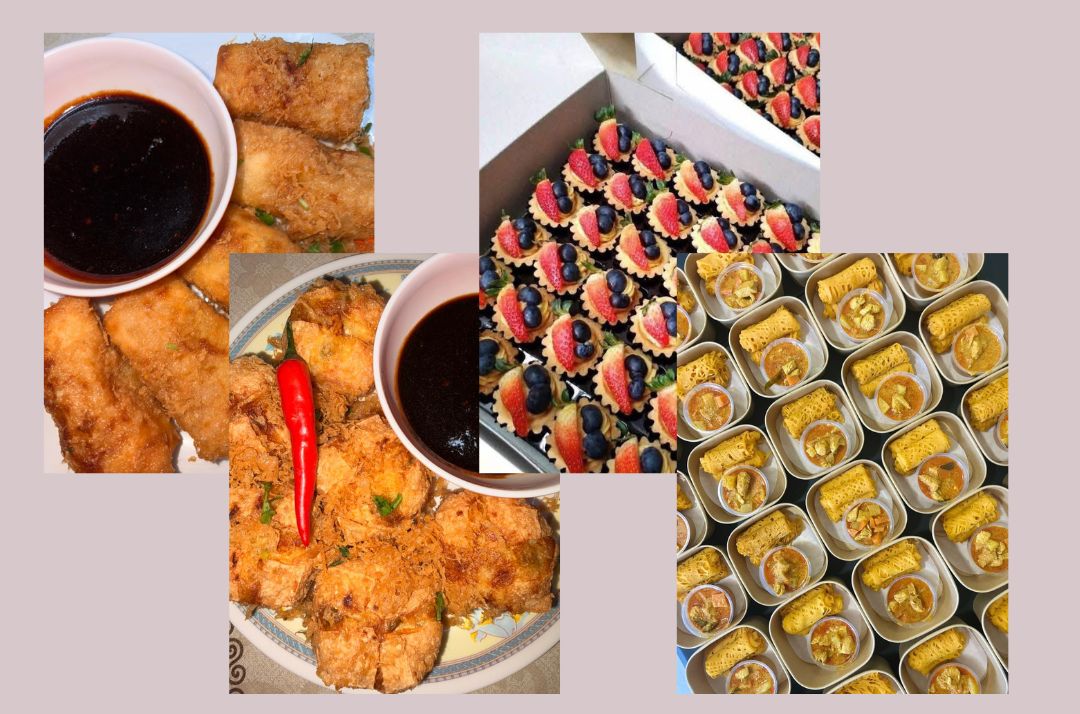
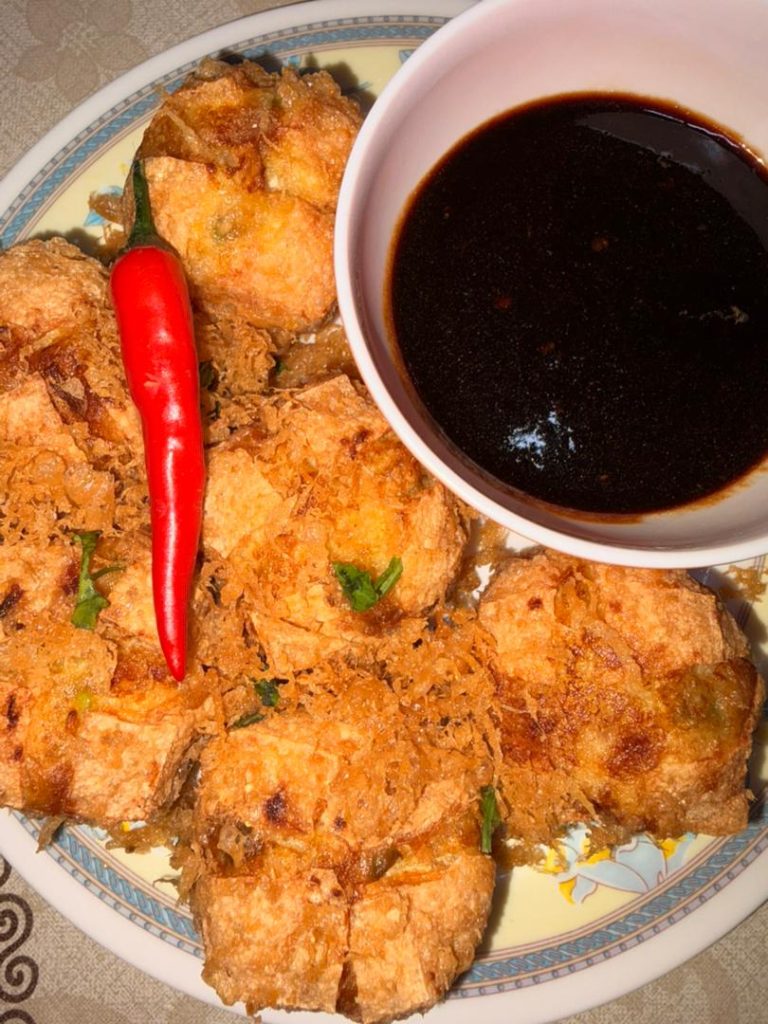
For Miri-based entrepreneur, Norsyarmin Zamri Liang, who prepares and sells popia sira (spicy-sweet glazed spring rolls), tauhu bergedel (potato-stuffed tofu puffs) and popia bergedel (potato-stuffed spring rolls) from home through social media platforms, sales performance during Ramadan has remained encouraging.
“Alhamdulillah, sales performance during Ramadan has been good and remains stable like in other months.

“Customers usually buy for iftar (breaking of fast) meals, so there is demand every day,” she told Sarawak Tribune.
Although there are certain days when sales slow down due to competition from Ramadan bazaars, she is grateful to still receive daily orders.
“For me, consistency and customer trust are the most important things in sustaining my small business,” she added.
Norsyarmin noted the main reason she chooses to stay online is the wider reach and lower operating costs compared to renting a physical shop lot or bazaar stall.
“As a small-scale business, online platforms provide flexibility in terms of time, energy and cost management.
“It also helps me manage orders more systematically without bearing rental costs or additional commitments,” she said.
To stay competitive during Ramadan, she markets her products consistently on social media by uploading daily promotional posters and menu lists every morning.
She also interacts actively with customers through status updates and feedback to build stronger relationships and brand loyalty.
Without a physical shop, time management is crucial, especially as iftar approaches.
To ensure orders are completed on time, she sets a daily cut-off time for bookings.
“This gives me enough time to prepare each order properly and ensure customers receive their food before iftar.
“It helps me avoid last-minute orders that could affect quality and smooth delivery or self-collection,” she said.

Meanwhile, Kuching-based entrepreneur, Nurulfatin Kiprawi, founder of Ammara Dessert under Yusuff Ammar Enterprise, also runs her dessert business entirely from home and online.
She said Ramadan has brought significant growth this year.
“Alhamdulillah, our performance this Ramadan has shown a noticeable increase compared to normal months,” she said.
In addition to daily sales of cheese tarts, fruit tarts and assorted desserts for iftar and moreh (late-night supper after tarawih prayers), she has also recorded an increase in bulk orders, particularly for charitable contributions to mosques and orphanages.

Many also place early orders to secure slots before the final week of Ramadan, while sales of festive cookies have further boosted revenue as customers prepare for Hari Raya.
Currently pregnant with her third child and managing two young children, Nurulfatin runs the business with strong support from her husband, Muhammad Nur Adlan Nur Azli Yaacob.
She said remaining fully online helps her balance family commitments and business operations.
“The operating costs for bazaar stalls or physical shops are quite high, especially during Ramadan.
“Online platforms provide flexibility and allow me to focus on quality and a pre-order system without worrying about direct competition at bazaars,” she said.
She relies on Facebook and WhatsApp as her main marketing channels, consistently posting attractive product photos, customer testimonials and Ramadan promotional packages, including festive cookies.
Repeat customers and word-of-mouth recommendations form a significant part of her sales.
To handle the surge in orders before iftar, she implements a strict pre-order system and daily cut-off times.
“Time planning and clear communication with customers are very important to avoid delays,” she said.
Looking ahead, both entrepreneurs view their home-based online business models as stepping stones towards potentially opening a physical café or shop in Sarawak in the future.
For now, their focus remains on strengthening their brands and maintaining loyal customer bases through digital platforms.
Their resilience highlights a shifting trend in the local economy: that with careful production planning and consistent digital engagement, the comforts of home can be the perfect recipe for entrepreneurial growth.