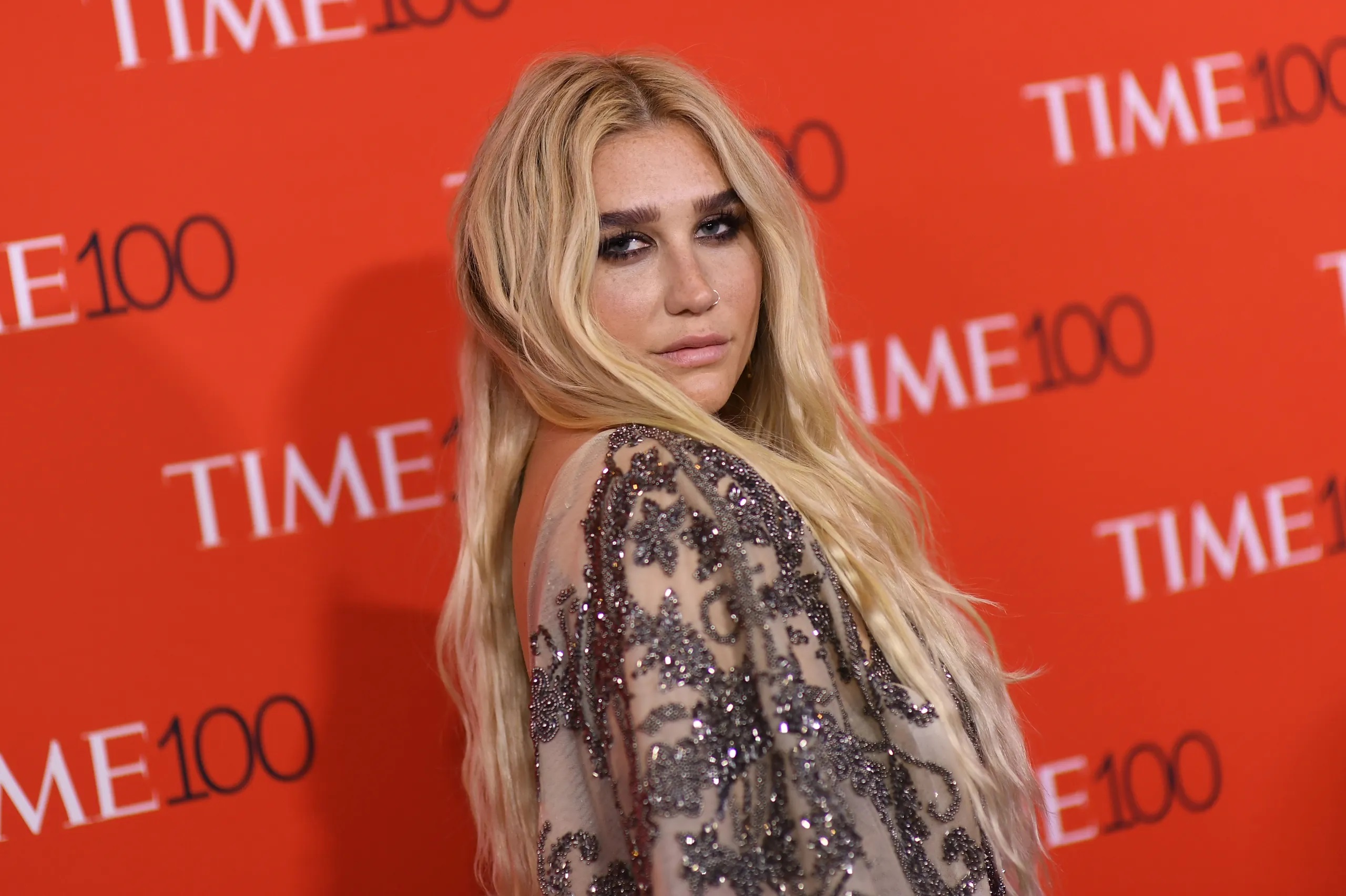
Kesha has criticised the White House after one of her songs was used in a social media video that she says “incites violence and threatens war”.
The row centres on a clip posted on February 10 showing a fighter jet firing a missile at a naval vessel, accompanied by the caption “Lethality”. The video, which features Kesha’s hit track ‘Blow’, has since amassed 14.5 million views and 1.8 million likes on TikTok.
Although the post was shared several weeks ago, the pop star addressed the issue on Monday via social media, making clear she did not approve of her music being used in such a context.
“It’s come to my attention that The White House has used one of my songs on TikTok to incite violence and threaten war,” she wrote. “Trying to make light of war is disgusting and inhumane. I absolutely do NOT approve of my music being used to promote violence of any kind.
“Love always trumps hate. Please love yourself and each other in times like this. This show of blatant disregard for human life — and quite frankly this attack on all of our nervous systems — is the opposite of what I stand for.”
She ended her statement with a pointed political remark, referencing the so-called Epstein files and alleging that Donald Trump appears in them more than a million times.
Kesha is the latest in a string of high-profile musicians to object to the use of their work by government departments under the administration of Donald Trump.
In November, Olivia Rodrigo rebuked ICE after DHS used her track ‘All American B****’ in a video. “Don’t ever use my songs to promote your racist, hateful propaganda,” she wrote at the time.
Sabrina Carpenter similarly condemned a post that paired her song ‘Juno’ with footage of immigrants being tackled and arrested, describing the video as “evil and disgusting” and warning officials not to involve her music in what she called an “inhumane agenda”.
In December, SZA also criticised the White House for using her Saturday Night Live song about cuffing season in another pro-ICE post, adding to the growing backlash from artists over the political use of their music.