LET’S READ SUARA SARAWAK/ NEW SARAWAK TRIBUNE E-PAPER FOR FREE AS EARLY AS 2 AM EVERY DAY. CLICK LINK
IN any government, the civil service forms the backbone of its administration, and Sarawak is no exception. It is the machinery that keeps the government functioning and translates policies and programmes into real action on the ground.
Yet over time, the composition of the civil service has not always fully reflected the rich diversity of Sarawak’s society.
So when Premier Datuk Patinggi Tan Sri Abang Johari Tun Openg recently called on Chinese school graduates and young Sarawakians to consider joining the state civil service, it was more than a simple invitation.
It was a reminder that building Sarawak has always been a shared responsibility.
Sarawak’s progress did not happen overnight, nor did it happen by chance. The state has grown steadily through careful planning, pragmatic policies and the willingness of its people to work together.
From the early days of river trade to today’s ambitions in renewable and green energy, digital transformation and economic diversification, Sarawak’s development has always relied on cooperation among its multiracial communities.
The Chinese community has long played an important role in this journey. From pioneering businesses in small towns to supporting education and driving entrepreneurship, its contributions have helped shape Sarawak’s economic and social landscape.
Recognising this role is not merely symbolic; it acknowledges a long-standing partnership that continues to evolve.
Yet the civil service – the very system that turns policies into real outcomes – has not always reflected the same level of diversity found in wider society.
This is why the Premier’s call, made during a Chinese New Year gathering, carries both symbolic and practical significance.
Symbolically, it reinforces Sarawak’s long-held belief in inclusive governance.
Practically, it signals that the state is serious about opening more opportunities for all communities to participate in public service.
One example of this approach was Sarawak’s recognition of the Unified Examination Certificate (UEC). The state government took the step of recognising the qualification for entry into state universities, scholarships and the state civil service.
This decision was made on the basis of practicality rather than politics.
Sarawak was among the first in Malaysia to take this step, while at the federal level the UEC is still not fully recognised for entry into public universities or the federal civil service.
By doing so, Sarawak sent a clear message: talent should not be limited by administrative barriers.
The increase in financial assistance to Chinese independent schools – from RM3 million to RM10 million annually – and the allocation of land to support their development further demonstrate that these policies are part of a long-term commitment, not short-term gestures.
These measures are about strengthening Sarawak’s human capital.
After all, a civil service is not just another employer; it is the engine that drives governance.
Civil servants are the ones who ensure that policies are implemented, services are delivered efficiently, and development reaches both urban and rural communities.
Roads are built. Schools are improved. Digital services are introduced. Investment frameworks are managed.
All of these are made possible through the daily work of public servants.
If Sarawak is to achieve the goals outlined in its Post-COVID Development Strategy 2030 and position itself as a leader in renewable energy and sustainable development, it will need a civil service that is capable, forward-looking and representative of its people.
Encouraging more Chinese school graduates to consider public service should therefore be seen in a broader context.
It is about expanding the state’s talent pool.
For decades, many Chinese youths have preferred careers in business and entrepreneurship. That tradition has contributed greatly to Sarawak’s economic growth.
But today’s development landscape is becoming more complex.
Public institutions now require a wide range of skills – from finance and technology to multilingual communication and global awareness.
Many young graduates possess these capabilities.
At the same time, Sarawak must also address the issue of talent retention.
The state invests heavily in education and scholarships. When young Sarawakians leave permanently to work elsewhere, the state loses valuable skills and future leaders.
A dynamic civil service that offers meaningful work, stability and opportunities for growth can help retain local talent.
Of course, representation must always go hand in hand with merit.
Sarawak’s governance has long been built on competence, stability and professionalism. Inclusivity should never mean lowering standards.
Instead, it means ensuring that opportunities are open to everyone while maintaining high levels of performance and accountability.
A civil service that operates on merit will always earn the trust of the public.
The conversation, therefore, should not be limited to recruitment alone.
Public service must continue to evolve, with clear career pathways, strong training programmes and performance-based advancement.
Young people today want more than job security.
They want to feel that their work makes a difference.
Public service offers exactly that.
When electricity reaches rural villages, when digital services make government processes easier, or when scholarships open doors for students, civil servants play a quiet but vital role in making those changes happen.
Their work may not always be visible, but its impact is lasting.
Sarawak has long been known for its culture of moderation and cooperation.
Rather than confrontation, the state has often chosen dialogue. Rather than division, it has prioritised unity.
A civil service that reflects the diversity of Sarawak strengthens this tradition and helps maintain stability and confidence in governance.
Ultimately, the Premier’s call is not about ethnicity.
It is about strengthening the institutions that will carry Sarawak forward.
As the state continues to safeguard its rights and pursue new economic opportunities, it will need both experienced administrators and fresh ideas from the younger generation.
Sarawak’s future will not be shaped by policy announcements alone.
It will depend on the people who turn those policies into reality.
The door has been opened wider. The invitation has been made.
The next chapter of Sarawak’s development will be written not by one community alone, but by a civil service that truly reflects the diversity and shared aspirations of the people it serves.
And perhaps that is Sarawak’s quiet strength – progress built on inclusion, stability and a common purpose.
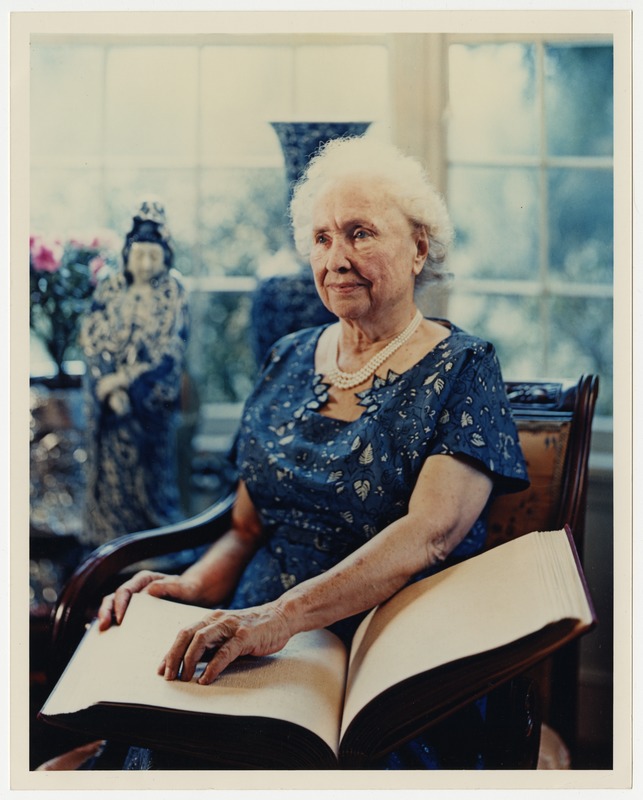
Helen Keller
“Alone we can do so little; together we can do so much.”
– Helen Keller (1880-1968), an American author, lecturer and political activist who became one of the most influential figures in disability rights history.
The views expressed here are those of the writer and do not necessarily represent the views of Sarawak Tribune. The writer can be reached at drnagrace@gmail.com.