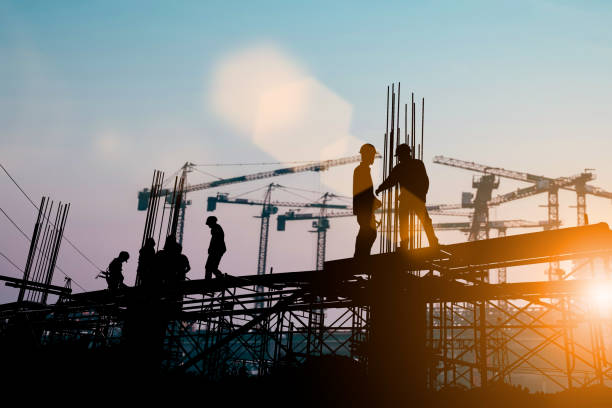
KUCHING: Rising material and labour costs are placing increasing pressure on Sarawak’s construction sector, prompting industry players to call for immediate government intervention.
The Sarawak Master Builders Federation (SMBF) said escalating prices of key construction materials, driven largely by higher fuel and transportation costs, are straining contractors, particularly those tied to fixed-price contracts.
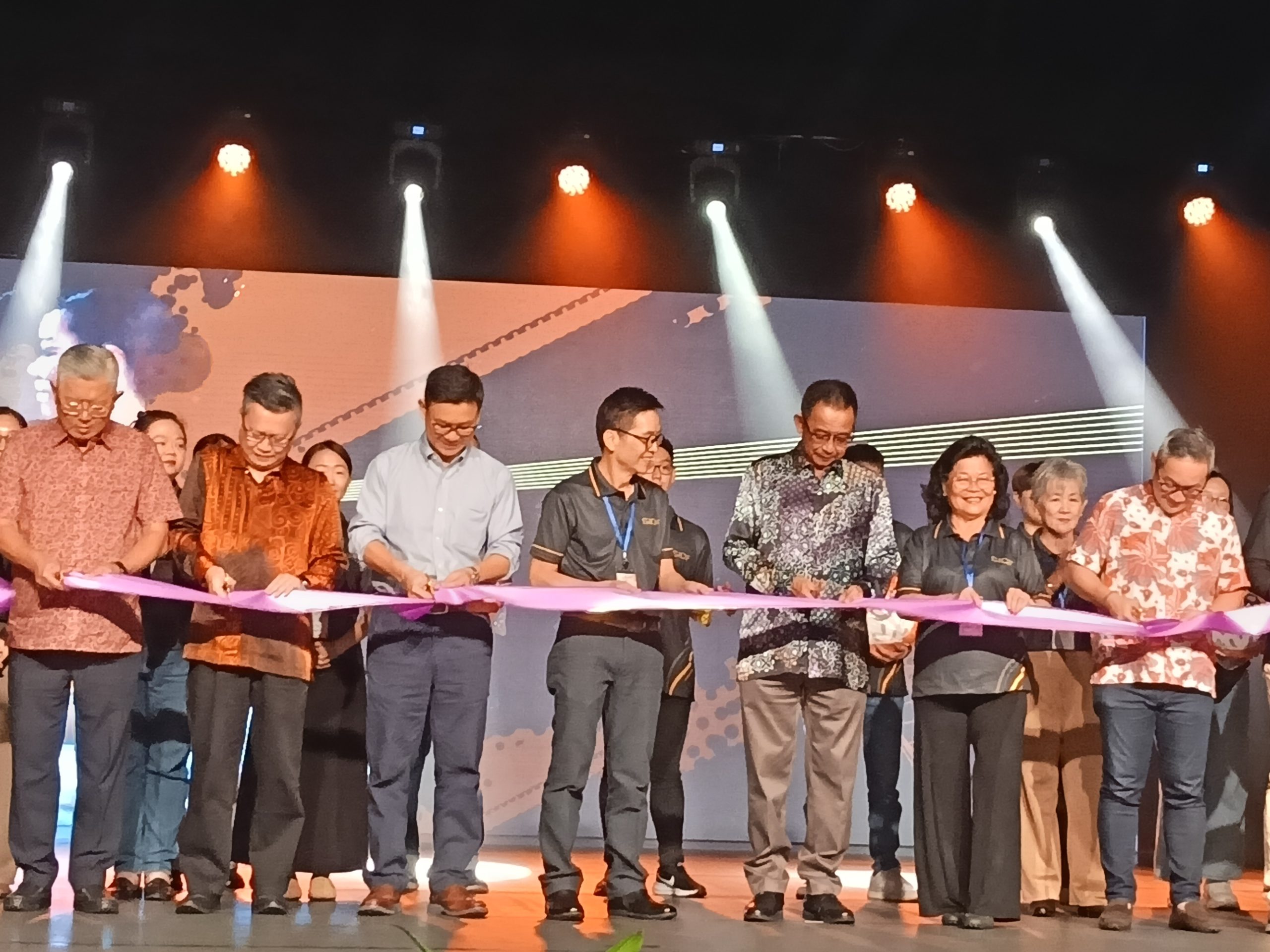
“Key materials such as cement, steel, bitumen and aggregates have seen significant price fluctuations, placing heavy strain on contractors,” the federation said in a statement following its annual general meeting on March 28.
To address the issue, SMBF urged the government to reintroduce or expand the Variation of Price (VOP) mechanism for ongoing projects, describing it as essential in reflecting current market conditions.
“A responsive VOP framework is critical to prevent contractors from absorbing unsustainable losses.”
The federation also raised concerns over the implementation of the Foreign Worker Transformation Approach (FWTA), which it said is expected to significantly increase labour costs.
Based on current estimates, the policy could add about RM2,500 per worker over two years, equivalent to roughly RM166 per month or a nine per cent increase in manpower costs.
SMBF cautioned that such increases would inevitably lead to higher construction costs and, ultimately, rising housing and development prices.
It called on the government to review and rationalise the FWTA cost structure, suggesting phased implementation or support measures to ease the burden on the industry.
In addition, the federation highlighted that existing procurement practices, particularly fixed-price contracts, place disproportionate risk on contractors in a volatile cost environment.
“Contract frameworks should be reviewed to ensure a more balanced allocation of risk and include safeguards against cost fluctuations.”
SMBF also pointed to ongoing challenges related to delays in approvals and coordination with utility providers, including electricity, water and ICT services, which continue to impact project timelines and contribute to cost overruns.
It urged improved coordination and streamlined processes to enhance the efficiency of project delivery.
At the same time, the federation reaffirmed its support for modern construction practices such as Industrialised Building Systems (IBS), digitalisation and sustainable development but stressed that stronger incentives are needed to support industry transition.
SMBF said it remains committed to working closely with the government and stakeholders to ensure the continued growth and resilience of Sarawak’s construction sector.