HIGH above the Sarawak River where Kuching’s skyline stretches from its historic waterfront to the distant silhouette of Mount Santubong, Tabby presents a dining experience shaped as much by perspective as by flavour.
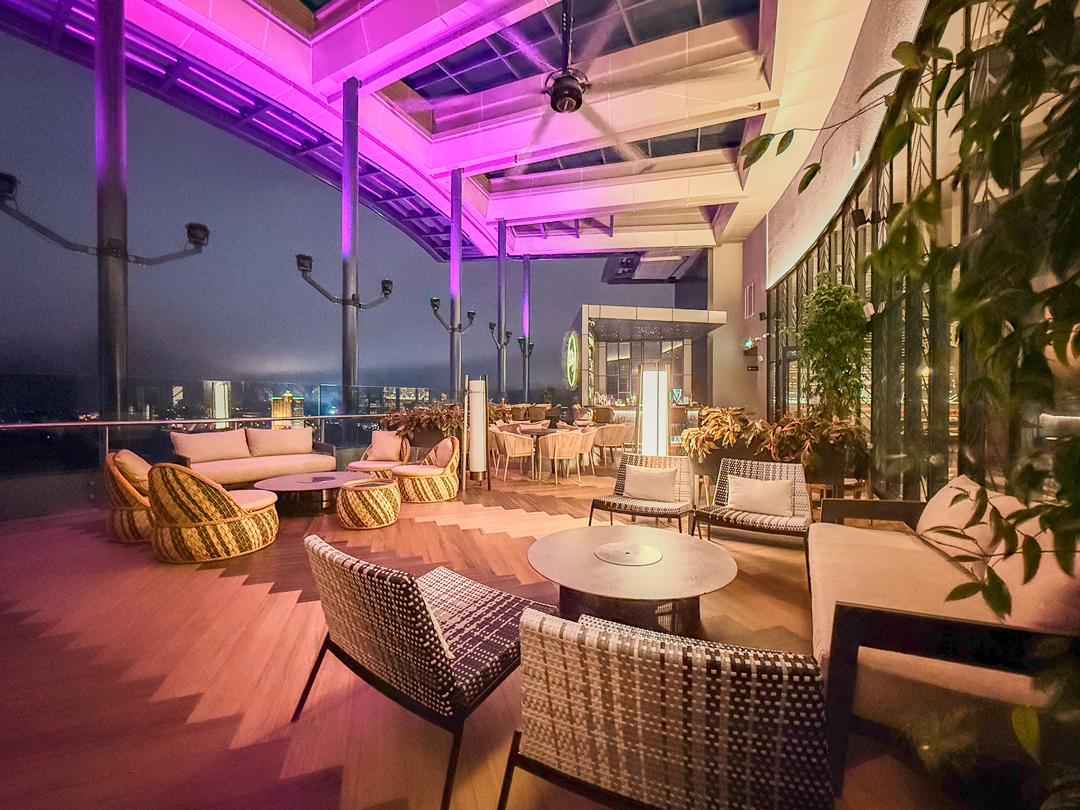
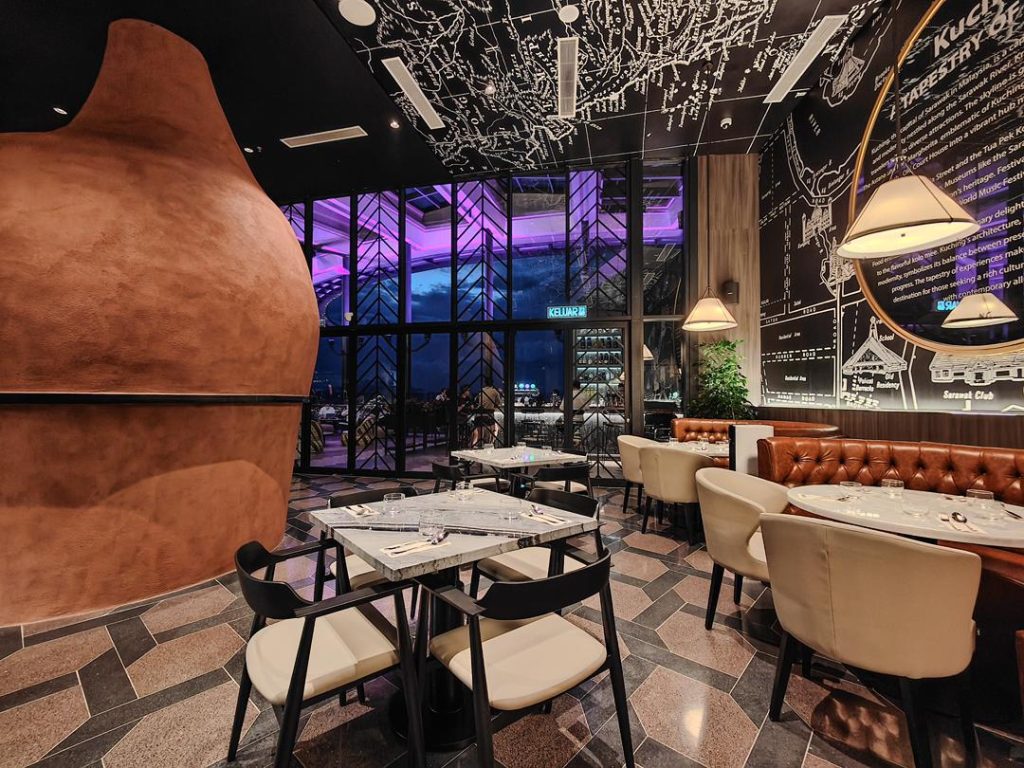
Perched atop the Sheraton Kuching Hotel, the rooftop restaurant unfolds gently with the changing light of evening, drawing diners into a setting that feels relaxed, contemporary and quietly intimate.
Beyond its sweeping views and open terrace bar, Tabby distinguishes itself through a culinary philosophy that places people rather than menus at the centre of the dining experience.
Here, gastronomy begins not with fixed signatures but with responsiveness. Instead of relying on standardised selections repeated throughout the year, the restaurant develops its dishes around each occasion, allowing appetisers, mains and desserts to evolve according to guests’ preferences, dietary needs and the character of the gathering itself.
The approach reflects what the kitchen describes as ‘honest food’, where flavour, portion and quality are expected to match what diners are promised.
This flexibility is especially evident in Tabby’s event dining concept. Corporate gatherings, ministry functions and private celebrations are approached not as routine bookings but as individual culinary briefs.
Buffet menus begin from RM150 per person, yet what appears on the table is shaped through conversation rather than prescription, ensuring that each dining experience reflects the tone and expectations of the occasion.
Balancing technique with local ingredients
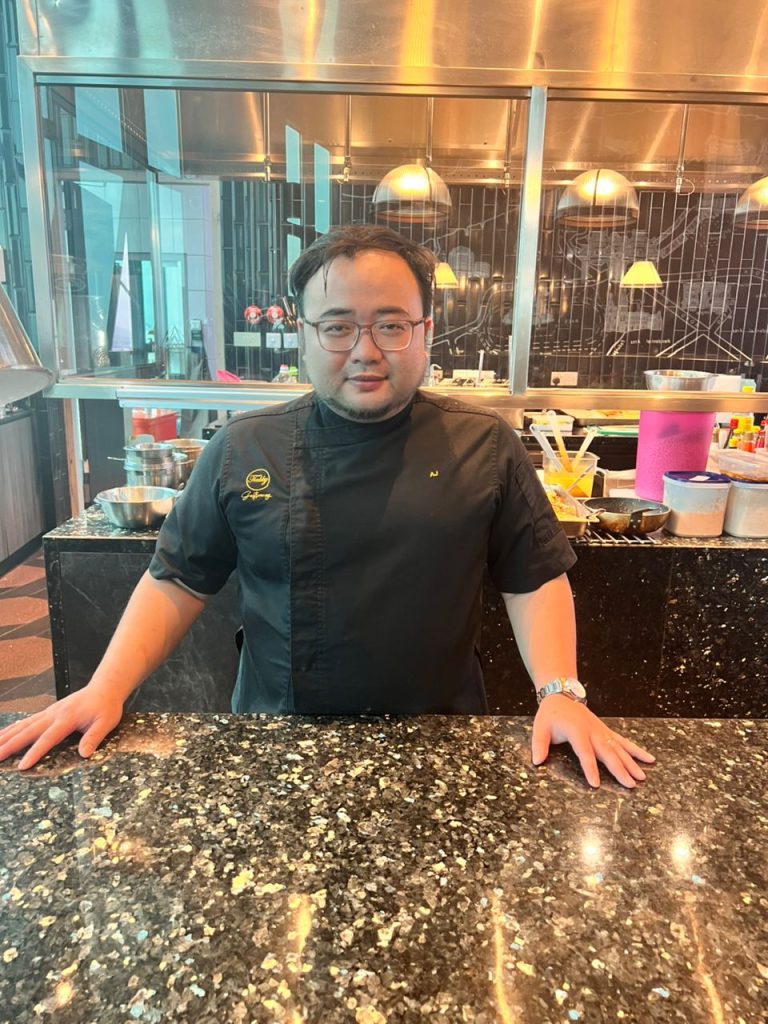
Supporting this direction is head chef, Mohd Abdullah Junaidi, 39, whose 17 years of culinary experience shape a kitchen that balances technical discipline with creative interpretation.
Trained in Western culinary traditions, particularly French and Italian techniques, he now channels those foundations into dishes that highlight Malaysian ingredients, particularly those from Sarawak, presented through a contemporary lens.
“We are able to curate menus based on our clients’ requirements and preferences. Every event is different, so the food should also be different,” he said.
Rather than defining itself through a single culinary identity, Tabby’s kitchen moves fluidly between Malaysian traditions, Sarawak’s regional flavours and Western influences, allowing flavours to shift according to season, occasion and imagination.
Local ingredients are not treated as rustic references but as expressive components capable of supporting refined technique.
“We try to bring in local herbs and ingredients from Sarawak and use them in our dishes so that they remain part of the experience,” Abdullah said.
Midin, terung asam and other regional ingredients appear in forms that feel both familiar and unexpected. A midin kerabu for instance may be dressed with French vinaigrette instead of heavier traditional sauces, giving the vegetable a fresher expression while preserving its distinctive texture.
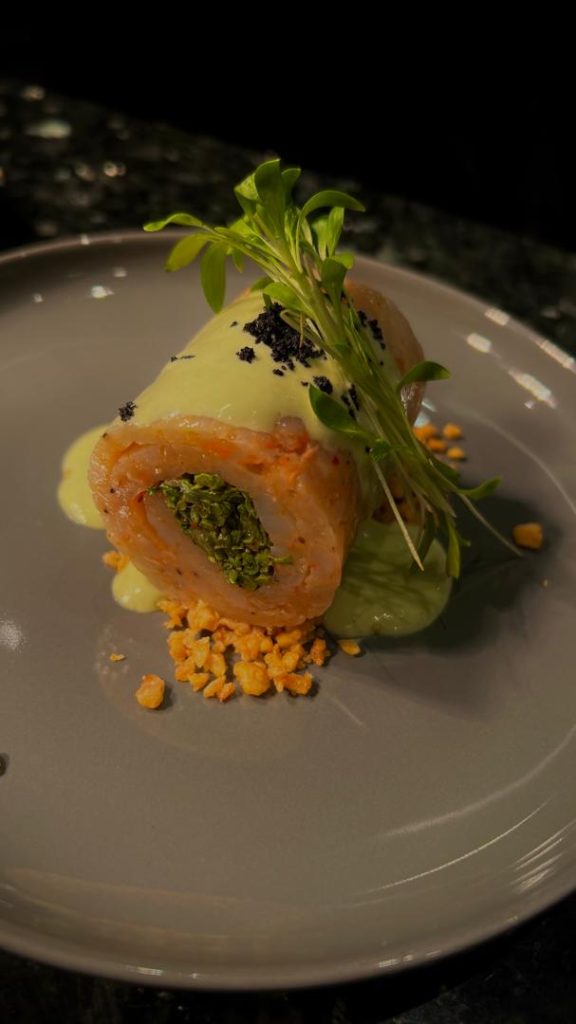
Elsewhere, seafood preparations incorporate local acidity through terung asam-based sauces, creating subtle connections between regional flavour and contemporary presentation.
Reimagining Malaysian classics
Even familiar Malaysian classics are approached with thoughtful reinterpretation. A beef rendang, for instance, is presented using French-influenced techniques rather than strictly traditional methods.
Instead of relying entirely on ingredients such as asam jawa to introduce acidity, the kitchen may incorporate elements like balsamic vinegar or mustard to achieve balance and depth of flavour.
According to Abdullah, the intention is not to alter the identity of the dish but to create a dialogue between Asian and Western culinary traditions while preserving the essence of the original recipe.
“One of our goals here is to show that Malaysian cuisine can actually go far. When people pay for fine dining, they often expect Western food, but local flavours can be presented at the same level,” he said.
Ayam pansuh in a refined new form
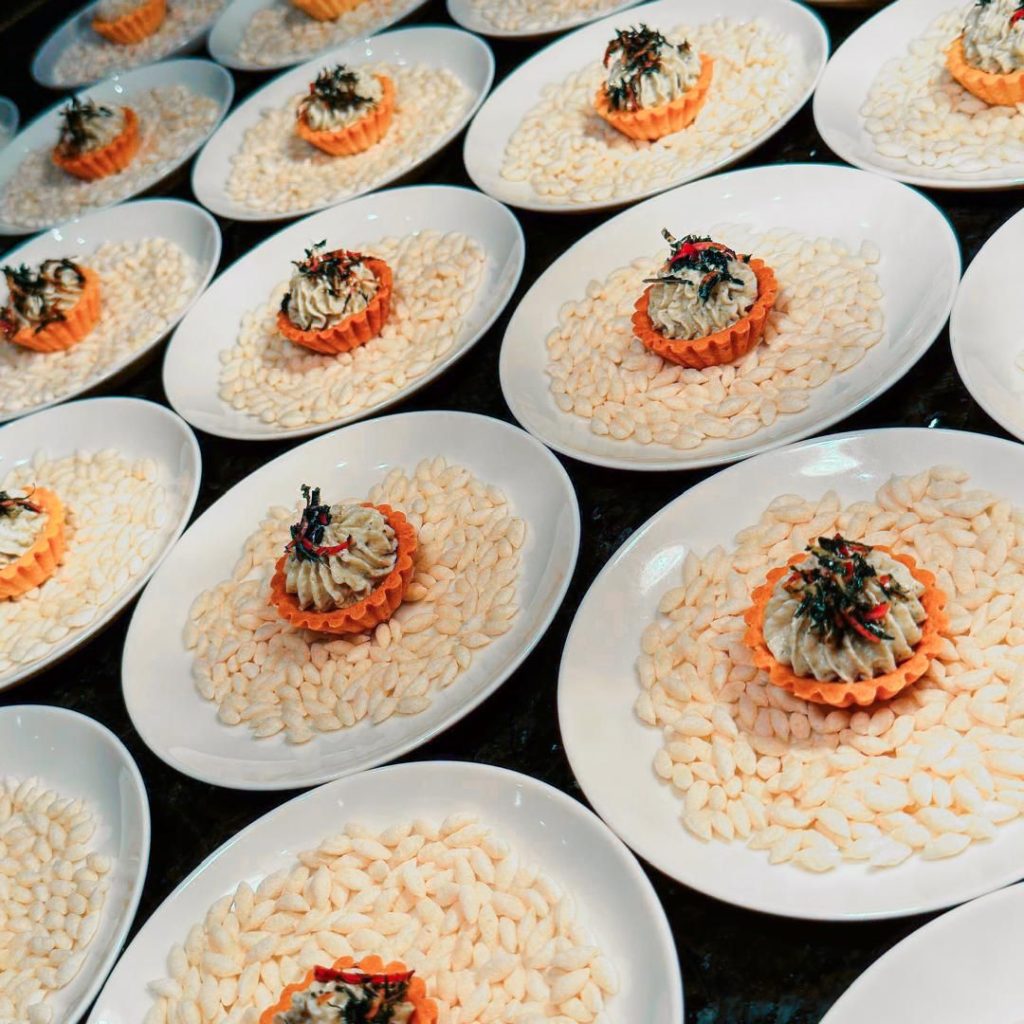
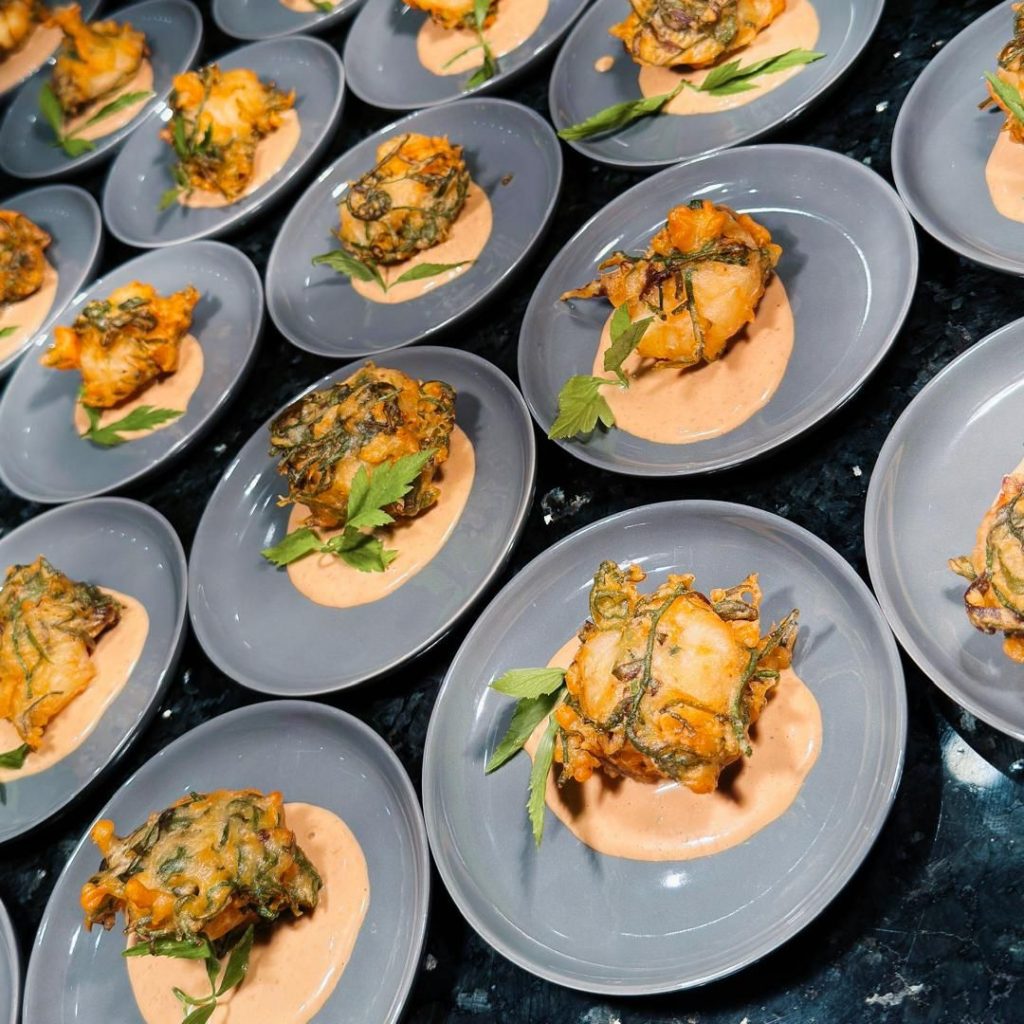
Among the kitchen’s more inventive interpretations appears in its treatment of ayam pansuh, the well-known Dayak bamboo-cooked chicken dish, which is transformed into delicate tartlets using French mousse technique.
Instead of serving the chicken in its traditional chunky form, the meat is finely blended into a light mousse while preserving the familiar herbal flavours associated with the original preparation. The mousse is then presented in tartlet shells, creating a refined bite-sized version of a dish that is usually rustic and communal in character.
According to Abdullah, the technique changes the texture but not the identity of the dish.
“The technique is French, but the flavour is still ayam pansuh. When you taste it, you still recognise it immediately,” he said.
Such reinterpretations reflect the kitchen’s broader balance between tradition and technique. Modern methods such as sous vide are used to refine textures while preserving the clarity of flavour that defines many regional dishes.
“We are playing between modern and traditional techniques at the same time while using local ingredients. That balance allows familiar flavours to appear in a new way,” Abdullah said.
Menus that evolve with every visit
The restaurant’s commitment to craft extends beyond reinterpretation alone. Much of what arrives at the table is prepared in house, from pasta and sauces to breads and desserts, allowing the kitchen to maintain consistency while adapting menus for different occasions.
“Most of what we serve here is prepared in house, including our sauces, pasta, bread and desserts,” he added.
Menus change approximately every three to four months, encouraging returning diners to encounter something new with each visit. A pasta selection may shift towards brighter regional influences, while salads incorporate seasonal herbs and ingredients sourced from local suppliers.
These evolving menu cycles reinforce the idea that dining at Tabby is intended to remain exploratory rather than predictable.
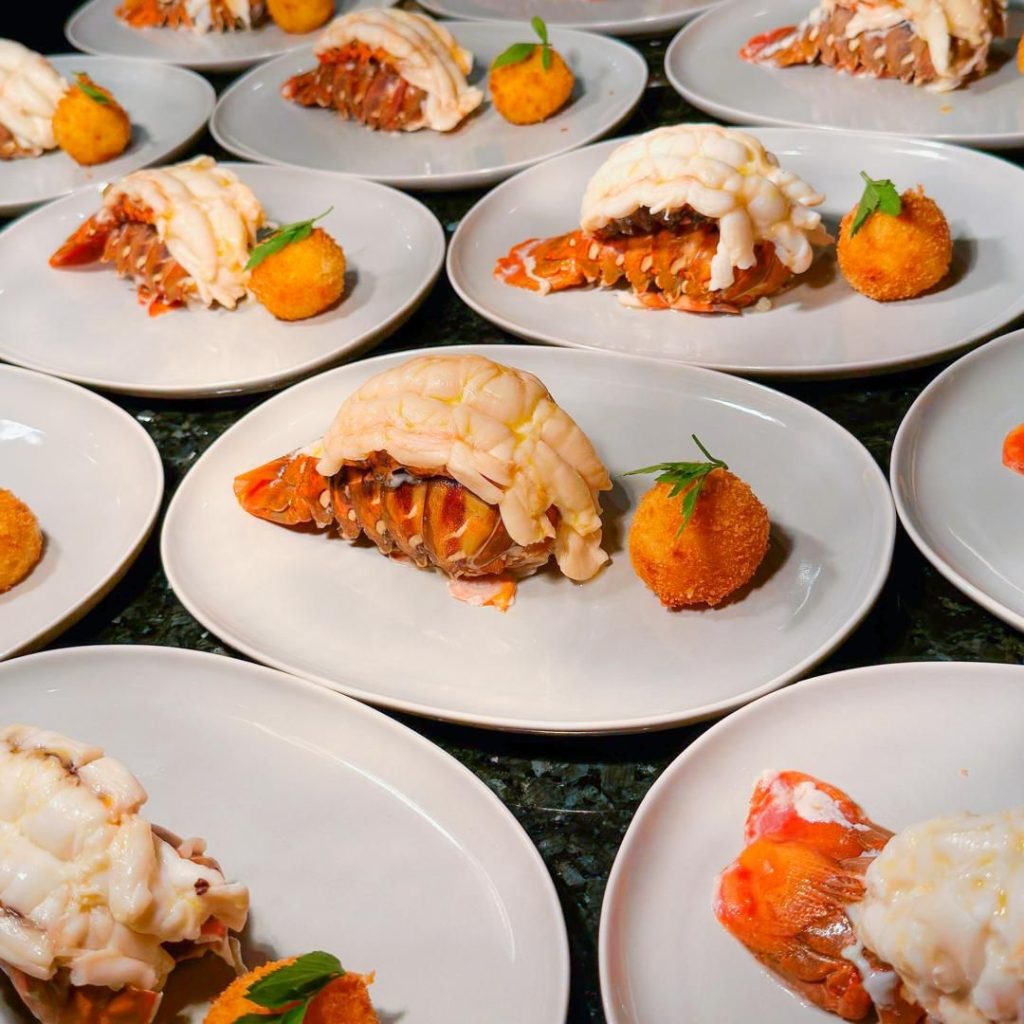
Beyond daily service, the restaurant’s bespoke approach becomes particularly evident during private functions. Before menus are finalised, discussions are held with hosts to understand the cultural expectations and dietary preferences of guests, ensuring that each course reflects attentiveness as well as creativity.
“We are very careful about dietary requirements because different guests have different needs, especially for international events,” Abdullah said.
Such flexibility allows the kitchen to respond not only to logistical considerations but also to personal memory. Guests occasionally request dishes inspired by family traditions or regional tastes, and where possible the team develops interpretations that honour those references while presenting them in a contemporary setting.
In this way, menus become conversations rather than templates shaped as much by guests as by chefs.
A rooftop setting shaped by place and perspective
The rooftop setting itself reinforces this sense of openness. With space to accommodate up to around 100 guests for buffet-style events, the restaurant encourages movement and interaction rather than formality.
Families arrive early for dinner, while visitors linger later into the evening against the backdrop of Kuching’s night skyline where the terrace bar becomes a natural extension of the dining experience.
Set high above the city yet grounded in its ingredients, Tabby presents a form of gastronomy shaped by collaboration rather than prescription. Each visit becomes slightly different from the last, guided by changing menus, shifting light and the stories brought to the table.
In that sense, the restaurant’s identity lies not in a single signature dish but in its willingness to adapt, demonstrating how local flavours when treated with care and imagination can continue to evolve without losing their roots.