KUCHING: Deeply rooted biases and caregiving responsibilities are limiting women’s progress into leadership roles in the Science, Technology, Engineering, and Mathematics (STEM) ecosystem.
There is therefore a need for collective responsibility in shaping a more inclusive STEM future, where women are empowered to balance both professional and family aspirations without limitation.
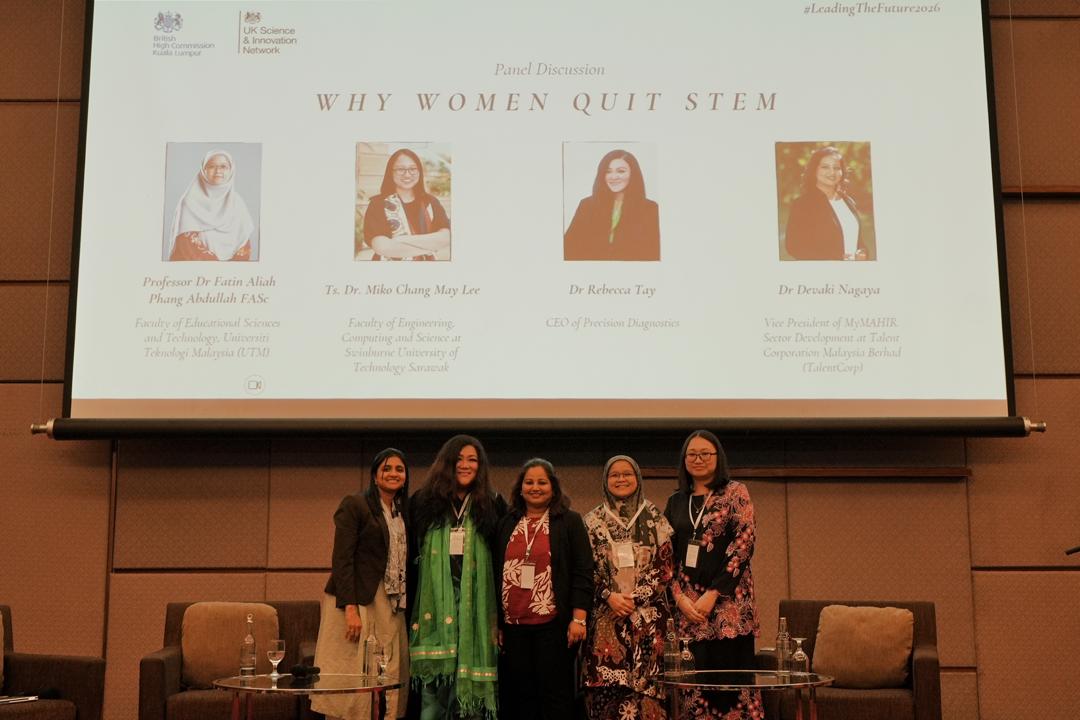
Swinburne Sarawak’s School of Information and Communication Technologies chief, Associate Professor Dr Miko Chang May Lee brought these points up during a discussion on “Why Women Quit STEM” at the Women & Girls in Science 2026 Dinner Forum on March 30.
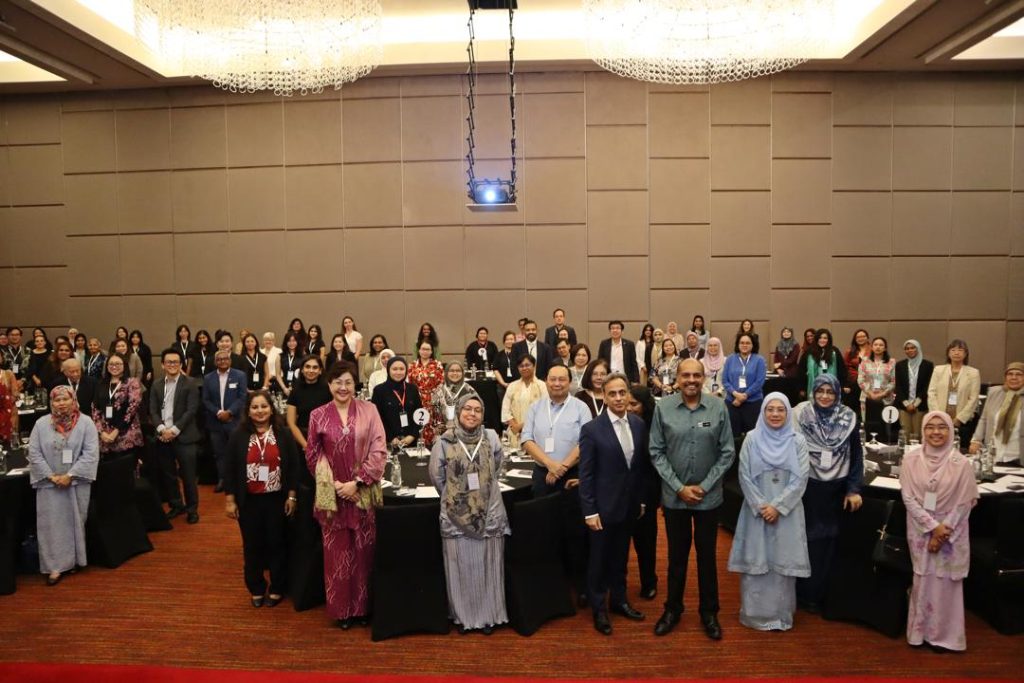
Organised by the British High Commission Kuala Lumpur, the forum brought together leaders from academia, industry, and government to address a critical STEM challenge: why women leave the field and how to better support them to stay and thrive.
Dr Chang who led the discussion highlighted the need to address structural barriers, strengthen support systems across career stages, and adopt flexible, inclusive academic models to improve retention and support women’s long-term advancement in STEM.
“Giving up is easy, but choosing to shape what comes next takes courage,” she said.
“As a woman in STEM and a mother of two, I believe we can do better. I hope my daughter will grow up in a world where women can be both mothers and CEOs.

“The best way to predict the future is to create it, and building a more inclusive STEM future is a responsibility we all share,” she said.
Representing Universiti Teknologi Malaysia, Professor Dr Fatin Aliah Phang Abdullah highlighted diverse perspectives across the STEM sector by sharing her research on how early learning experiences shape girls’ engagement with science.
In this context she focused on the importance of strengthening foundational interest and confidence in STEM from a young age.
Vice President of MyMahir Sector Development at Talent Corporation Malaysia Berhad (TalentCorp), Dr Devaki Nagaya also presented trends in women’s labour market participation, highlighting key points of STEM career attrition and the importance of interventions such as flexible work arrangements and return-to-work programmes.
Following that, fellow panellist founder and CEO of Precision Diagnostic Dr Rebecca Tay discussed the issue from an industry and entrepreneurship perspective, drawing on her experience in a science-based company.
She emphasised the need for institutional accountability, stronger support systems, and shared responsibility between women and men in creating supportive ecosystems for change.
The forum concluded with a shared commitment to fostering environments that enable women in STEM to grow, lead, and succeed throughout their careers, along with a strong aspiration to increase the representation of women in senior leadership roles across all sectors.
The event was also attended by British High Commissioner to Malaysia, Ajay Sharma, and Secretary General of MOSTI, Datuk Dr Nagulendran Kangayatkarasu.