MIRI: Children here are waiting up to six months for a single speech therapy session, as families and practitioners warn that support for neurodivergent people in northern Sarawak is falling critically short.
The concern emerged at a recent community town hall, where parents, educators and therapists described a system struggling to cope with rising demand – leaving many without timely diagnosis, consistent therapy or adequate support.
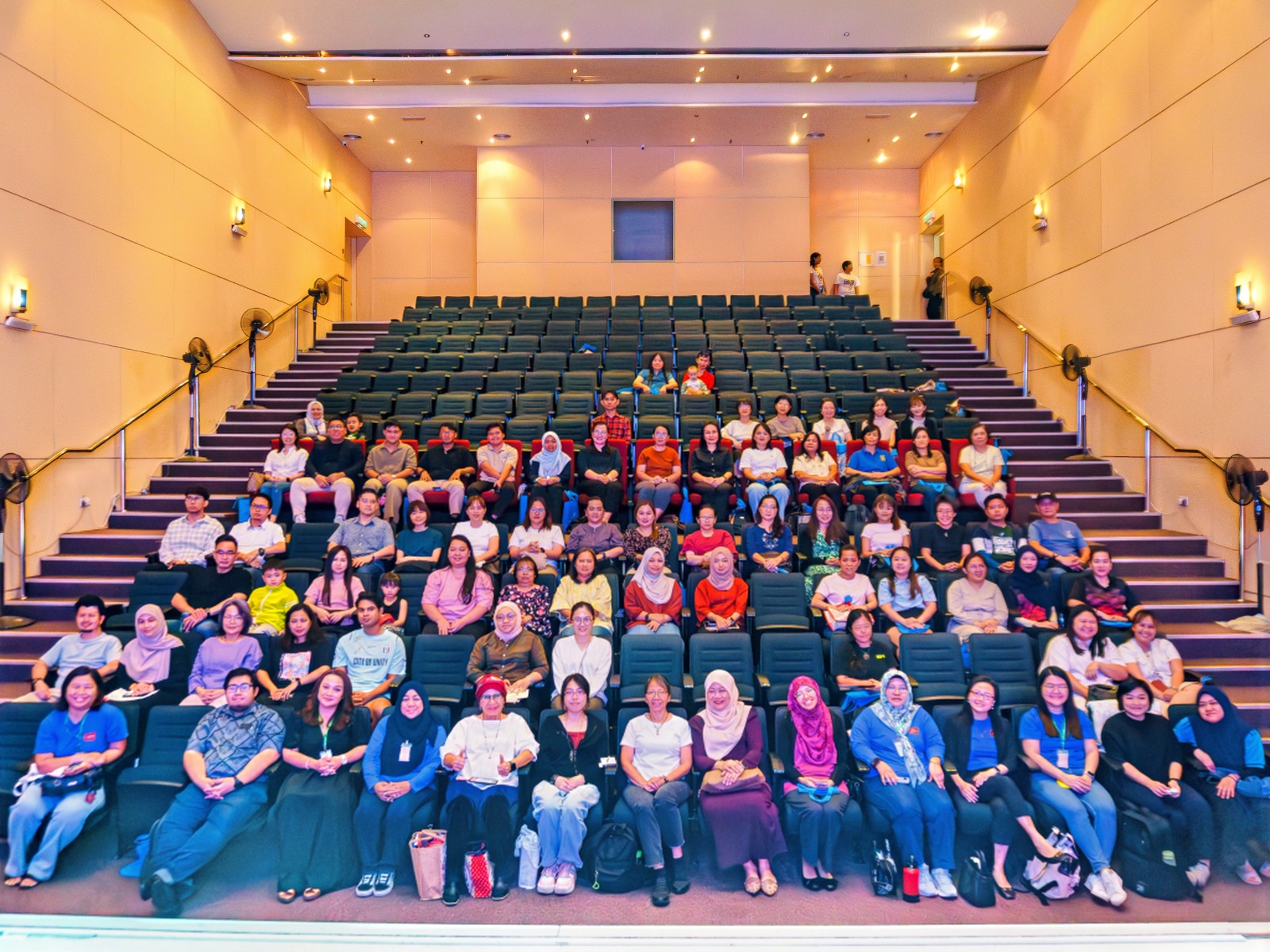
About 70 participants attended the half-day event, organised by the Mental Health Association of Sarawak (Miri branch) and the Special Needs Parents Network Miri (SPENT Miri) in conjunction with World Autism Awareness Month.
While the programme featured art displays, student showcases, and small business booths, discussions quickly turned to what many described as widening gaps in essential services.
Families outlined the daily challenges of supporting individuals with autism, attention deficit hyperactivity disorder (ADHD), dyslexia and intellectual disabilities, saying access to help remains fragmented and difficult to navigate, even within the city.
They are now calling for a dedicated, integrated neurodivergent centre in Miri – a one-stop facility providing early assessment, therapy, training and long-term support.
Advocates say such a centre could streamline care while linking healthcare, education and community services, improving coordination and ensuring earlier intervention.
Among the most urgent concerns is the lack of speech therapy services.
There is currently only one speech therapist serving the entire Miri Division, resulting in long waiting lists and infrequent sessions.
Dr Diana Wee, adviser to SPENT Miri’s support group, said children receiving treatment at Miri Hospital may be seen only once every six months.
“That frequency is not sufficient to support meaningful developmental progress,” she said.
Access to occupational therapy is also limited, with few specialised providers available locally.
Some families have turned to online services from practitioners in Peninsular Malaysia, but costs and poor internet access in rural areas make this option unworkable for many.
Participants also highlighted a broader disparity between East Malaysia and Peninsular Malaysia in terms of infrastructure, specialist training and integrated support systems.
In schools, teachers often lack the training needed to support neurodivergent students, leading to behavioural misunderstandings and, in some cases, disciplinary responses rather than appropriate intervention.
Stakeholders called for structured training programmes and clearer guidelines, not only for educators but also for frontline personnel such as police officers, volunteers and caregivers.
Alongside the town hall, the event featured practical sessions aimed at equipping families and educators with better tools.
Learning support practitioner, Teo Ting Ting spoke about why some children struggle in conventional classrooms, while occupational therapist, Norhayati Adenan demonstrated sensory-based strategies that can be applied at home.
Both emphasised practical, neuroaffirming approaches that support development in everyday settings.
SPENT Miri President, Nooridaly Irwanna said the focus must now shift from awareness to implementation.
“Awareness alone is not enough. What we need now is coordination, commitment and investment into systems that truly support our community,” she said.
Advocates argue that without a coordinated framework, families are left to navigate a complex and often costly system on their own – a burden that disproportionately affects those with fewer resources.
For many families, the issue is no longer awareness but time – and how much of it their children can afford to lose.
Without sustained investment and a dedicated centre to bring services under one roof, they warn, delays in intervention will continue to widen developmental gaps, with consequences that could last a lifetime.