KUCHING: More than 150 industry representatives gathered to strengthen workforce governance through dialogue on regulatory requirements for recruiting non-Sarawakian workers in Sarawak on Thursday (April 23).
The Industry Update and Dialogue programme, held at Dewan Seminar PUSAKA, brought together government agencies and industry players to exchange views and improve regulatory understanding.
Sarawak Timber Industry Development Corporation (STIDC) Deputy General Manager, Haluyah Awi, said non-Sarawakian workers remain vital in supporting key economic sectors statewide.
“Today’s session is not only about understanding processes but also ensuring growth is guided by fairness, accountability and sustainability,” she said, encouraging active participation.
The programme was jointly organised by the Immigration and Labour Management Unit (ILMU) under the Department of the Premier of Sarawak and STIDC.
It marked the second engagement in a series, following a similar session in Bintulu on April 16, which also recorded strong industry participation.
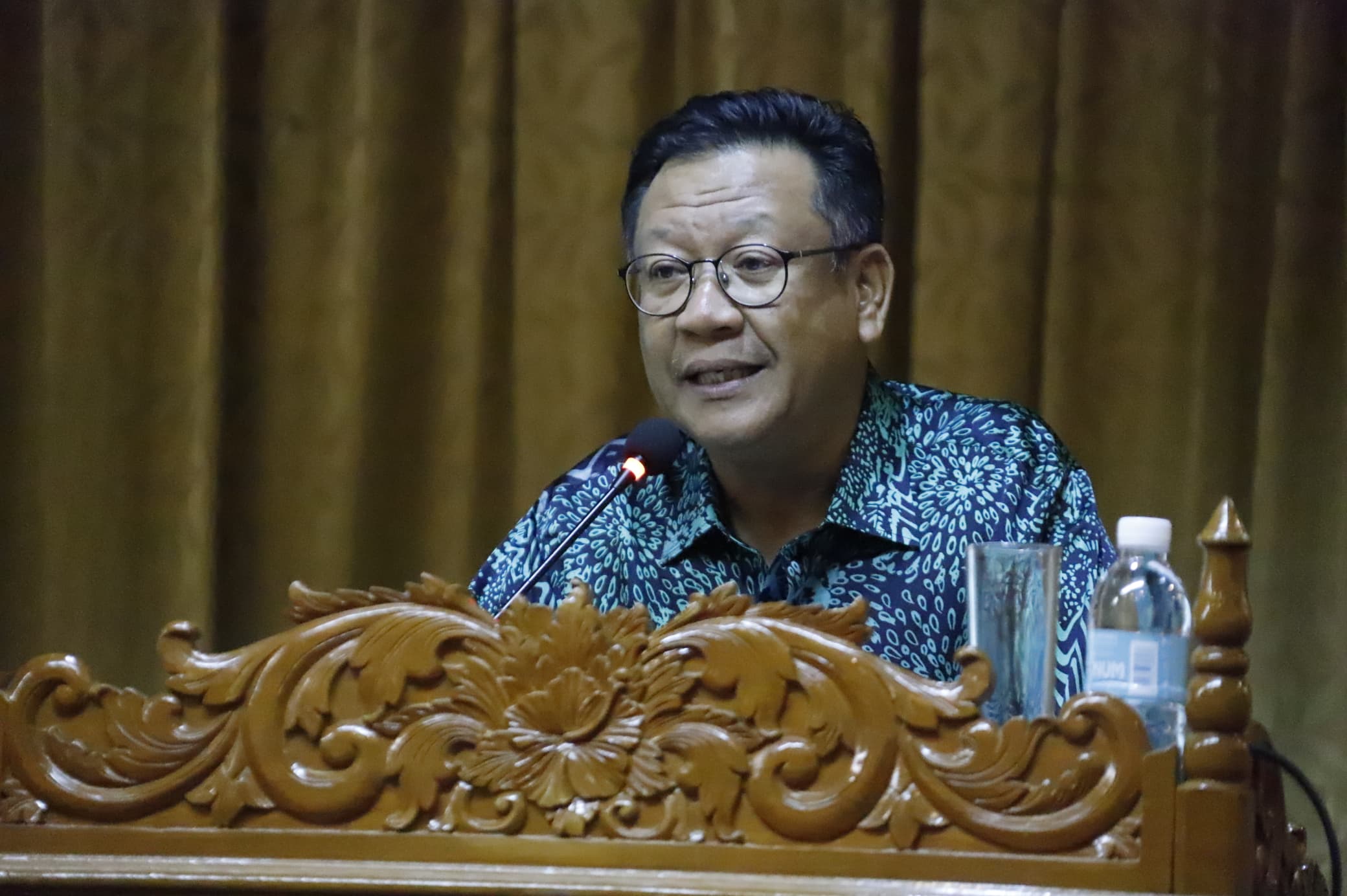
Special Administrative Officer in the Department of the Premier of Sarawak, Datuk Ken Leben, highlighted the government’s continued efforts to strengthen labour and immigration management.
He stressed the importance of keeping industry players informed, particularly following amendments to the Sarawak Labour Ordinance (Cap. 76), now being actively enforced.
A key highlight was the Foreign Workers Transformation Approach (FWTA), a digital initiative aimed at improving transparency, efficiency, and accountability in recruitment processes.
Since January 2025, over 10,000 companies have registered under platforms such as JobSarawak, SANSOLS, and EXPRT to streamline workforce management procedures.
Participants attended presentations covering labour laws, immigration processes, governance, integrity and digital systems, followed by an interactive dialogue session.
The session allowed industry representatives to raise concerns, seek clarification and provide practical feedback directly to relevant authorities.
Closing the programme, STIDC’s General Manager, Datuk Zainal Abidin Abdullah, described the engagement as timely and productive.
“Such initiatives help bridge policy and implementation gaps while promoting responsible recruitment practices, worker welfare and transparent systems,” he said.
“Sarawak continues advancing towards its 2030 high-income goal, with effective workforce governance seen as essential to sustaining growth and strengthening investor confidence.”