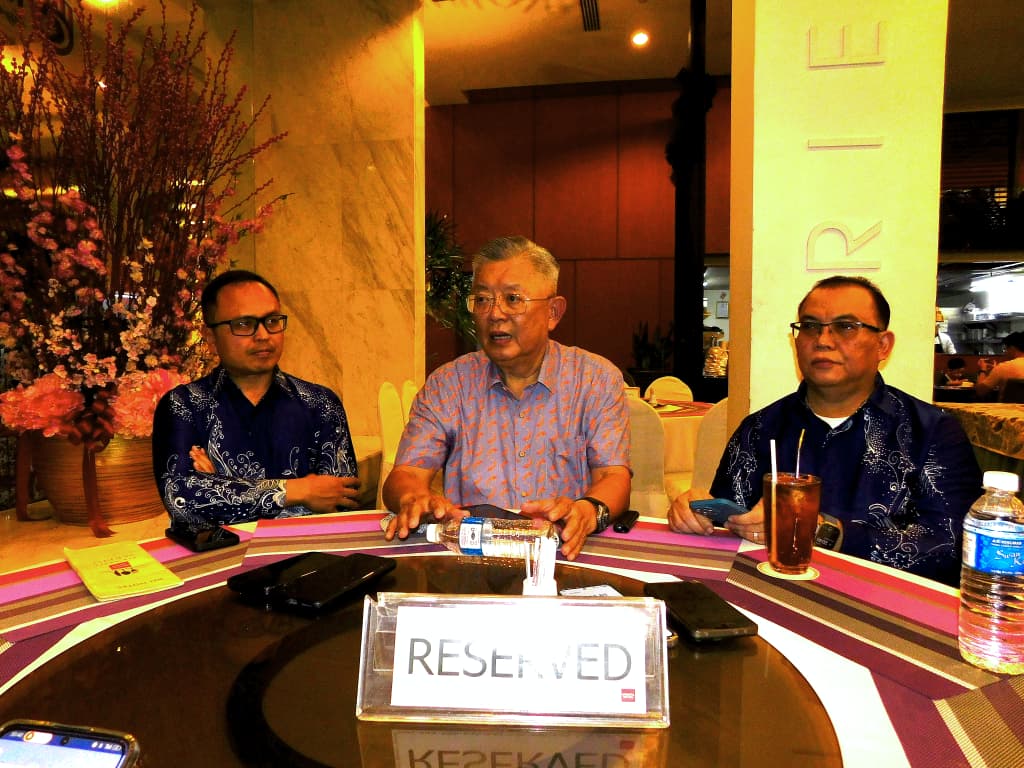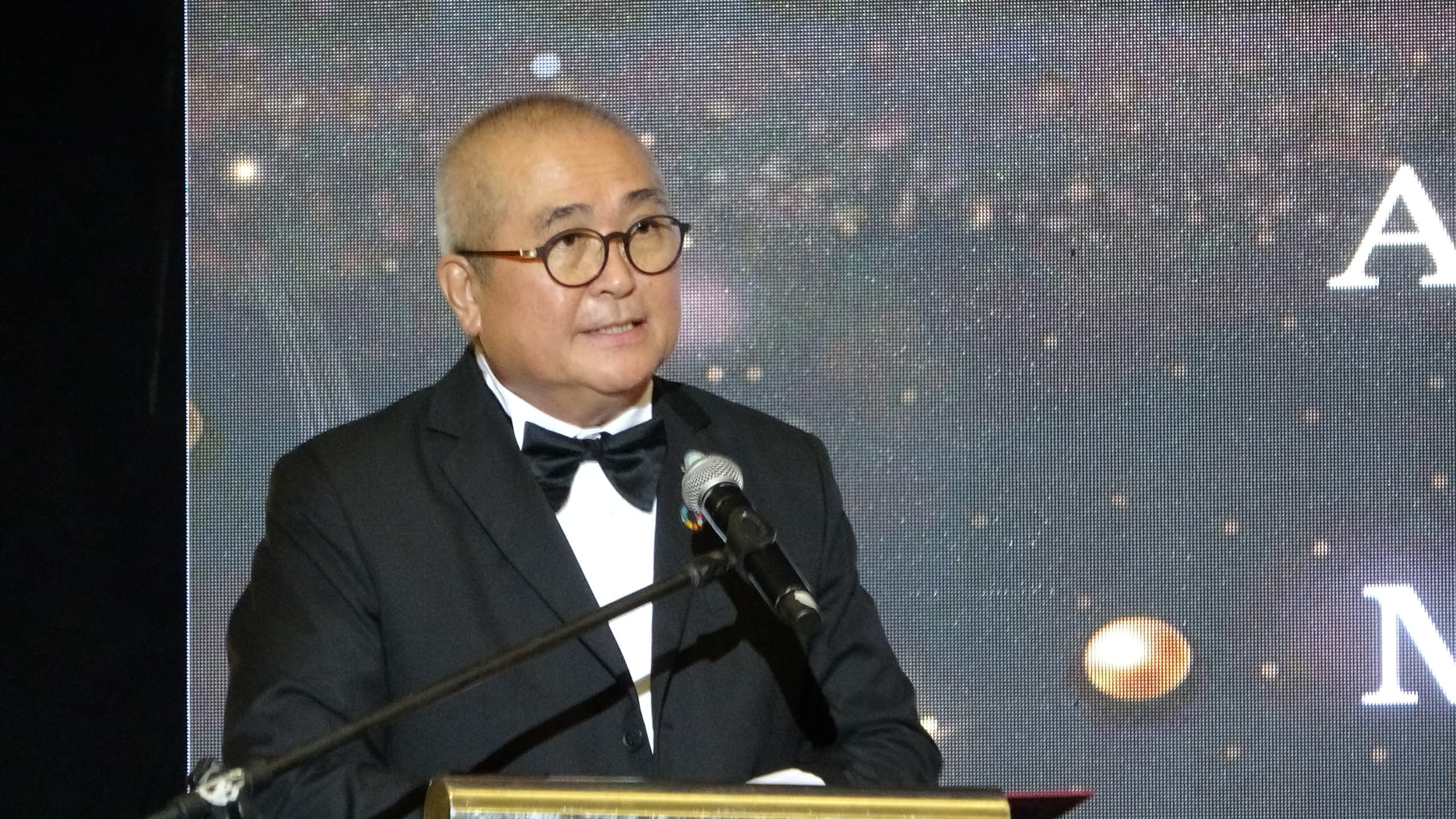
KUCHING: The ability to deliver, and not such much rhetoric, appears to be shaping the political landscape in Pujut, Piasau and Senadin in Miri.
And at the centre of this narrative is a confident Sarawak United People’s Party (SUPP), a component party within the ruling Gabungan Parti Sarawak (GPS) coalition.
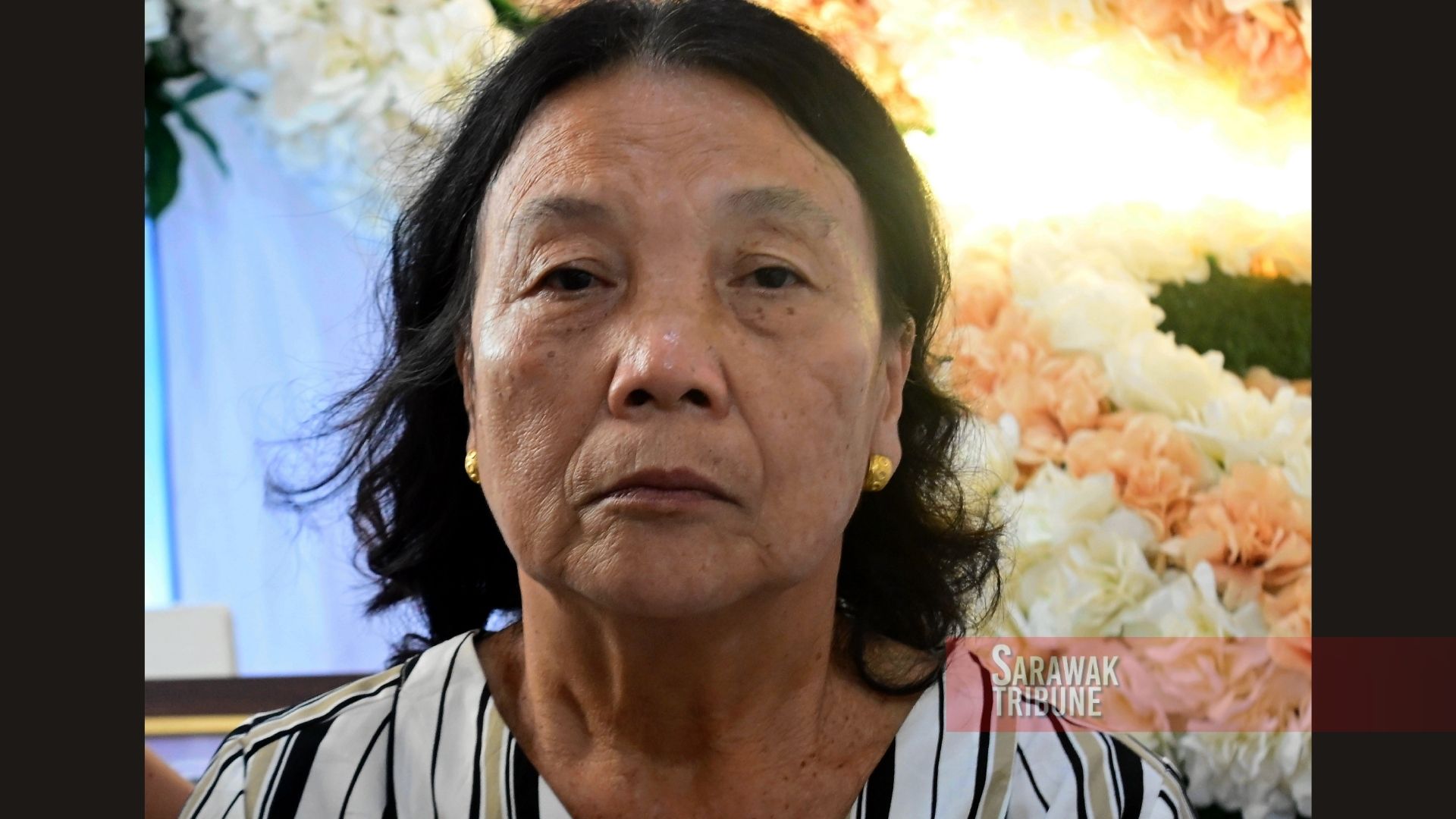
Local sentiment gathered on the ground during the SarawakKu Sayang (SKS) programme in Miri indicates that SUPP’s strategy has been anchored on visibility, accessibility and steady development.
In Pujut, Adam Yii, who also serves as Mayor, has earned recognition among residents for pushing urban planning and infrastructure upgrades.
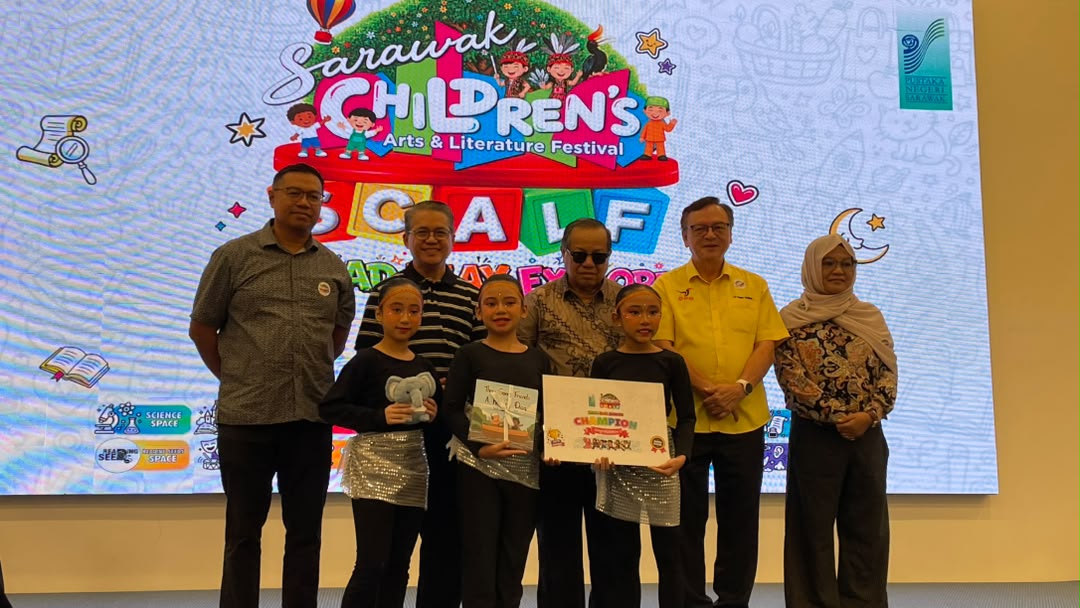
Similar views are echoed in Senadin and Piasau, where Datuk Seri Lee Kim Shin and Datuk Sebastian Ting are seen as a consistent presence despite their responsibilities in Kuching, serving as Minister of Transport and Deputy Minister of Tourism, Creative Industry, and Performing Arts respectively.
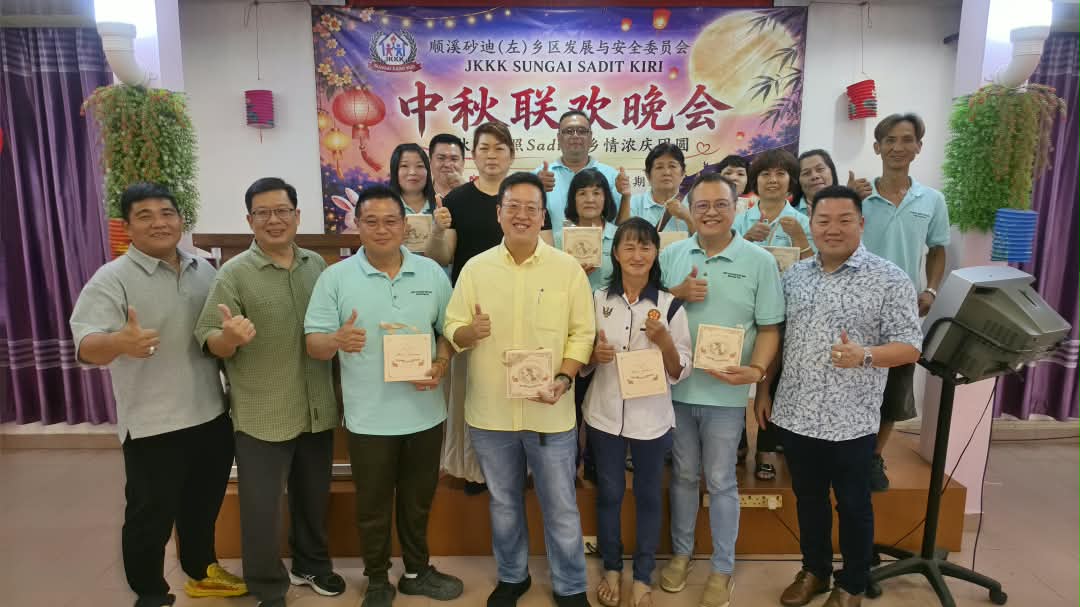
Residents note that these leaders and their representatives have maintained regular ground engagement, ensuring that the GPS development agenda is visible and, more importantly, tangible.
Initiatives such as SKS have further strengthened the connection between elected representatives and urban voters, particularly in neighbourhood-level outreach programmes.
Across conversations, a recurring theme emerges: practicality.
Urban voters in Miri appear more focused on roads, drainage, service efficiency and economic opportunities than on partisan contest.
Many believe GPS is positioning itself as the only coalition capable of delivering large-scale projects such as the Miri Deepsea Port and the 3M2L (Miri-Marudi-Mulu-Long Panai-Long Lama) road network upgrades, projects seen as critical to sustaining the city’s growth and competitiveness.
That said, the ground is not without minor discontent.
In parts of Pujut, residents have raised concerns over maintenance of public amenities, clogged drains and the pace of routine service delivery.
However, these issues are largely viewed as manageable and already given attention by local authorities, rather than deal-breakers that could significantly sway voter sentiment.
In contrast, opposition visibility appears limited.
While voices linked to the Democratic Action Party (DAP) remain present, particularly through a former assemblyman, broader mobilisation is not readily apparent.
Party Keadilan Rakyat (PKR), which currently holds the Miri parliamentary seat, has yet to publicly outline its strategy for the three urban state constituencies in Miri, traditionally contested by its Pakatan Harapan partner, DAP.
Although DAP remains a significant opposition force, its position today is markedly different from its 2011 peak.
Pujut and Piasau, with their Chinese-majority or mixed demographics, alongside the diverse Senadin seat, have long been closely fought between SUPP and DAP.
With Sarawak’s 12th State Legislative Assembly (DUN) sworn in in early 2022, its five-year term is due to expire in 2027, although elections can be called earlier.
Speculation has intensified in recent months that the next polls could be held within a year, yet observations on the ground in Miri suggest a markedly subdued political atmosphere.
For now, the political temperature in Miri remains low.
The prevailing mood suggests a contest defined less by political noise and more by the quiet calculus of performance, presence and delivery — with voters appearing to be weighing track records.