MIRI: In the dense rainforests of Borneo, where some villages remain cut off by rivers, rugged logging tracks and hours of difficult travel, Malaysia is turning to an unlikely ally in its push to expand eco-tourism and rural connectivity: the off-road community.
What was once seen largely as a weekend pastime for four-wheel-drive enthusiasts is increasingly being repositioned as part of a wider strategy to promote sustainable tourism, reach isolated communities and showcase some of the country’s most inaccessible natural landscapes.
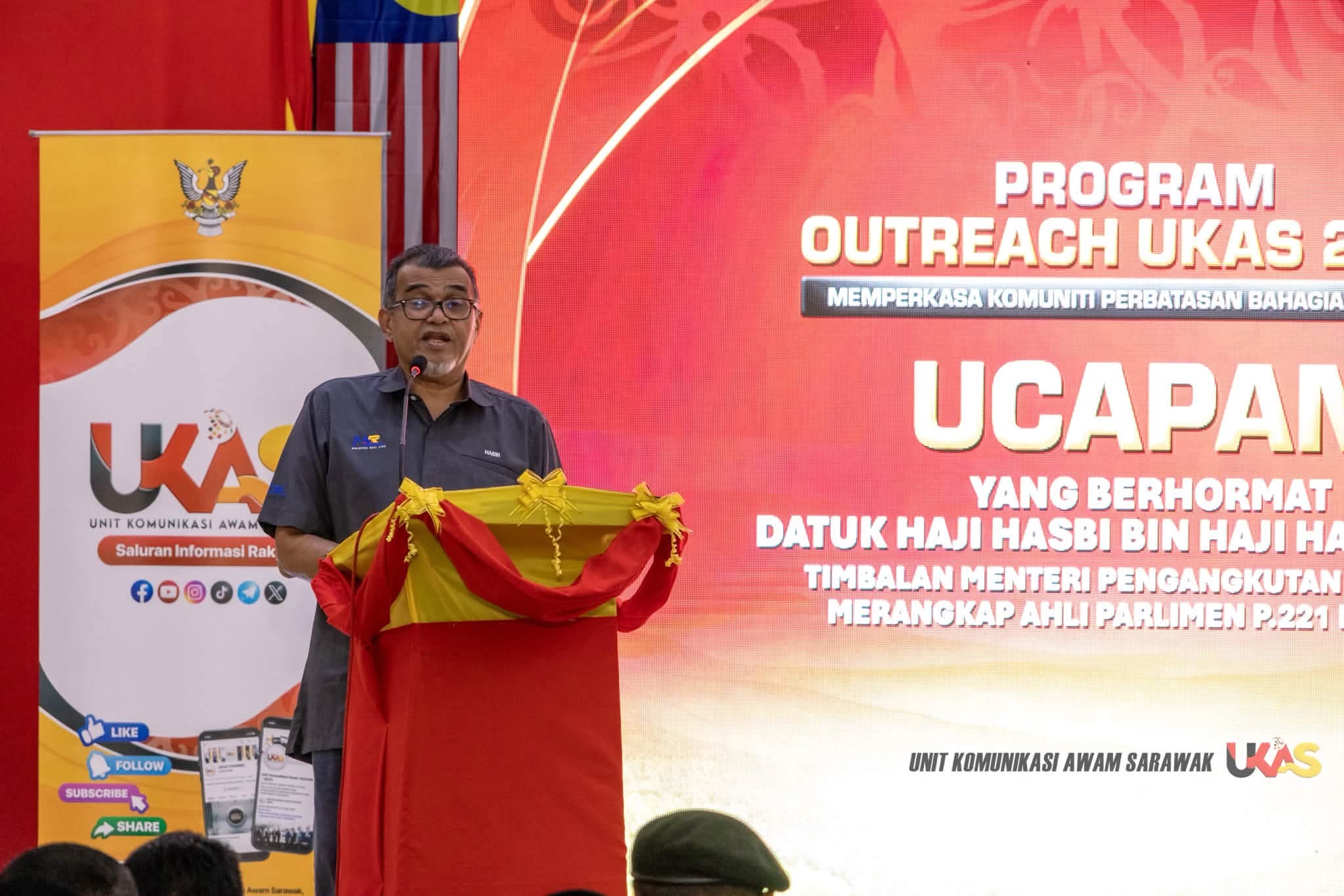
Deputy Tourism, Arts and Culture Minister, who is also Miri Member of Parliament, Chiew Choon Man, said the off-road and outdoor adventure industry was emerging as a growing niche market capable of attracting high-spending travellers seeking authentic nature-based experiences.
Speaking at the launch of the Asia Offroad Expo & Convention (AOX) 2026 on Tuesday (May 5), Chiew said Malaysia’s eco-tourism strengths lay in its rich biodiversity, ancient rainforests and vast rural landscapes, particularly across Sarawak and Sabah.
“Eco-tourism is one of the main strengths of the Malaysian tourism industry,” he said, expressing hope that initiatives such as AOX would help position Malaysia as a regional hub for outdoor adventure tourism.
Across large parts of Borneo, many scenic locations remain beyond the reach of conventional tourism infrastructure.
Some journeys into the interior can take up to six hours by four-wheel-drive vehicles through muddy jungle terrain, river crossings and remote plantation routes.
For adventure travellers, the remoteness is part of the attraction.
For rural communities, however, it has often meant limited access to basic services.
Chiew said off-road volunteers had repeatedly worked with government agencies to transport doctors, dentists and officers from the National Registration Department into isolated settlements where some residents lacked basic identity documentation.
“Through the logistical support of 4×4 enthusiasts, we have successfully brought essential government services into these remote areas.”
The collaboration highlights how the off-roading community has evolved beyond recreation into a network capable of supporting humanitarian outreach in some of Malaysia’s hardest-to-reach regions.
In many rural parts of Sarawak, four-wheel-drive vehicles remain the only practical means of access during poor weather conditions or where roads are undeveloped.
At the same time, Chiew warned that the rapid growth of outdoor adventure tourism must not come at the expense of the environment.
He urged off-road explorers and tourism operators to practise responsible travel and help preserve fragile ecosystems increasingly exposed to tourism activity.
Malaysia has been seeking to strengthen its eco-tourism credentials ahead of the Visit Malaysia 2026 campaign, with policymakers viewing nature-based tourism as a high-value segment capable of generating longer visitor stays and stronger rural economic spillover.
Sarawak remains central to those ambitions.
Among its best-known attractions are Gunung Mulu National Park, internationally recognised for its limestone cave systems and biodiversity, and Niah National Park, home to one of Southeast Asia’s most significant archaeological sites.
Chiew also highlighted Three Sisters Waterfall as an example of the region’s untapped eco-tourism potential.
Industry analysts say demand for experiential travel and outdoor adventure tourism has risen steadily in recent years, particularly among travellers seeking alternatives to traditional city-based holidays.
For Malaysia, the challenge will be balancing commercial tourism growth with conservation and sustainable access.
But in the remote interiors of Borneo, where roads often disappear into rainforest and rivers remain vital transport routes, the off-road community is increasingly being seen not simply as explorers, but as partners in connecting people, tourism and development.