SAMARAHAN: An International Student Mobility Programme has opened opportunities for cultural exchange and learning experiences between students from Malaysia and Singapore.
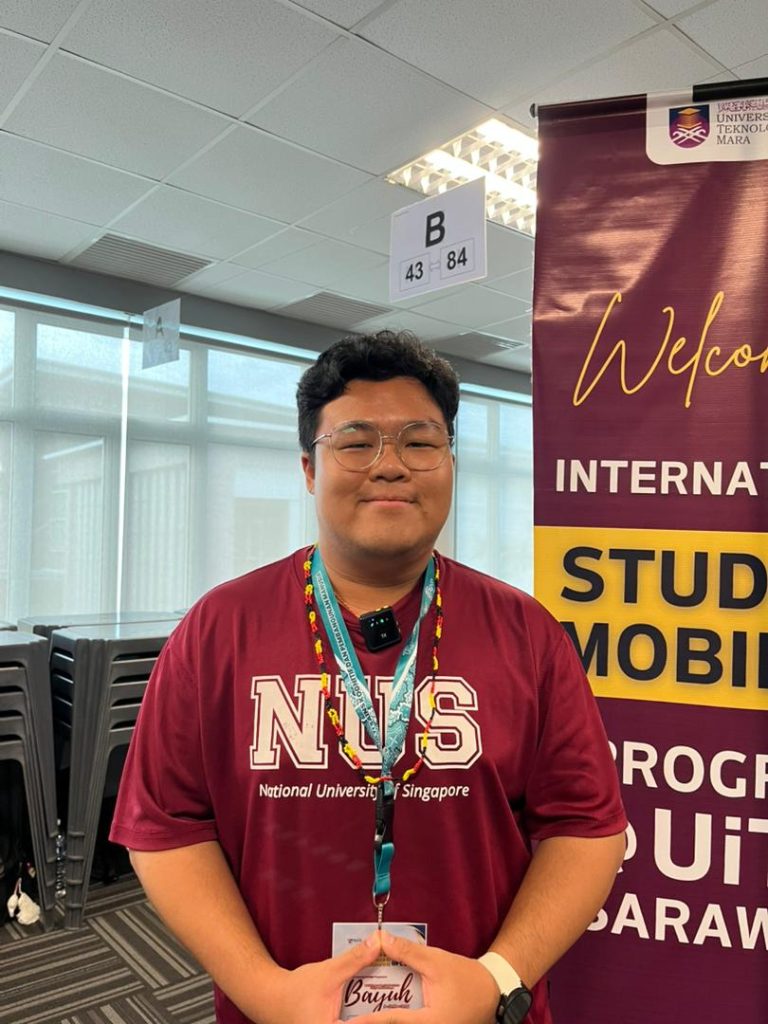
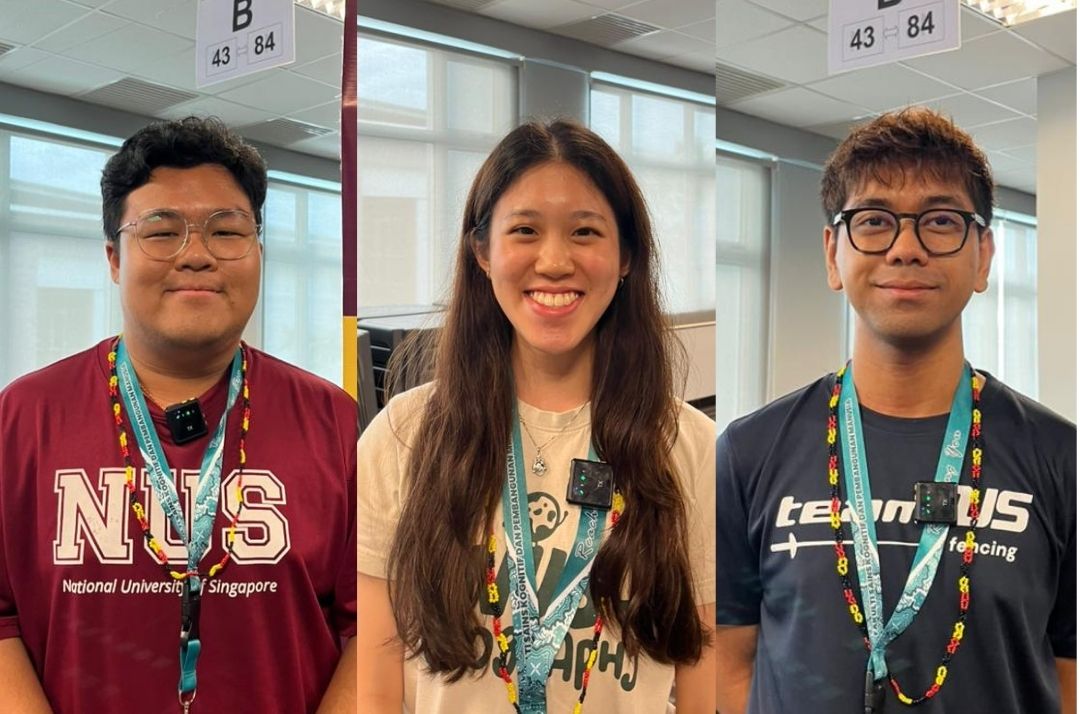
A participant from National University of Singapore (NUS), Yong Xiang, 22, said the programme allowed international students to interact and understand different cultures from various perspectives.
He said participating in cultural activities such as preparing traditional Bidayuh ayam pansuh provided meaningful exposure to Sarawak’s local heritage.
“It was very interesting because traditional cooking methods like this are still practised today.”
According to Yong, interactions with students from different countries and academic backgrounds also helped participants gain new perspectives on culture, wellbeing and community life.
He added that the multidisciplinary nature of the programme involving students from NUS and local universities created a more meaningful exchange of ideas and learning experiences.
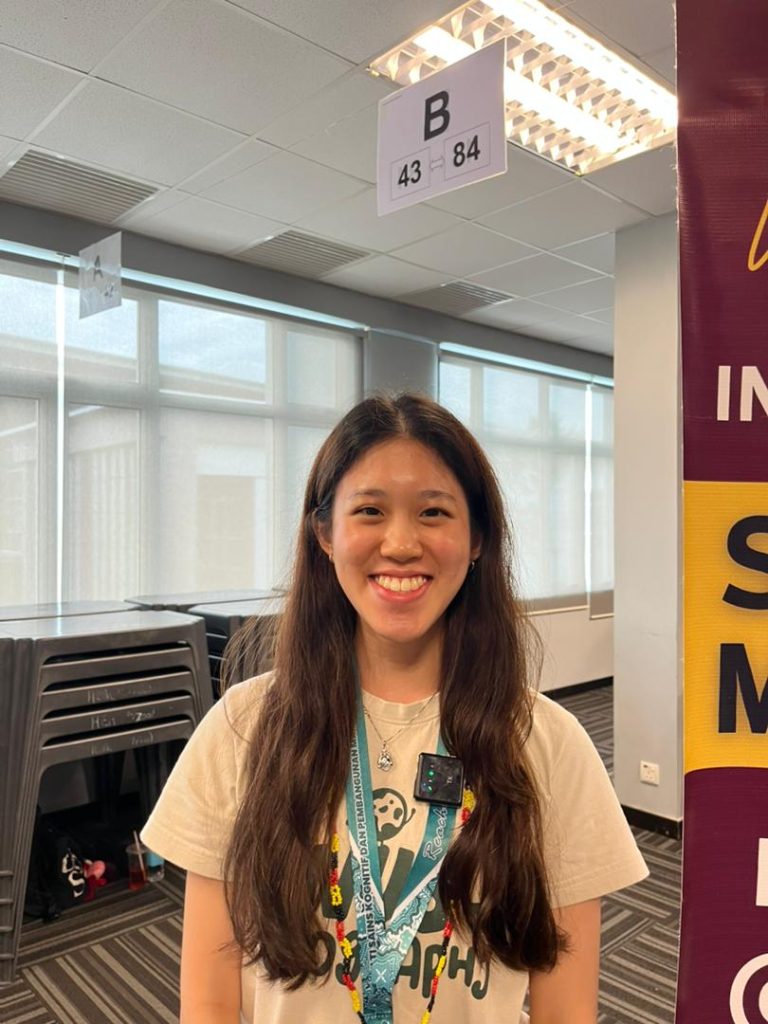
Meanwhile, Tara-Jade Sim, 20, said the programme helped students realise that cultural differences are not barriers to building friendships and understanding.
The first year Geography and Political Science student said informal sessions with local students allowed participants to relate through shared university experiences such as studies, internships and campus life.
“Although we come from different cultures, there are still many things we can relate to and learn from each other.”
She also described the programme as an eye opening platform that exposed students to different lifestyles and perspectives outside Singapore.
According to her, being in Sarawak made her appreciate the importance of slowing down and viewing the world from a broader perspective.
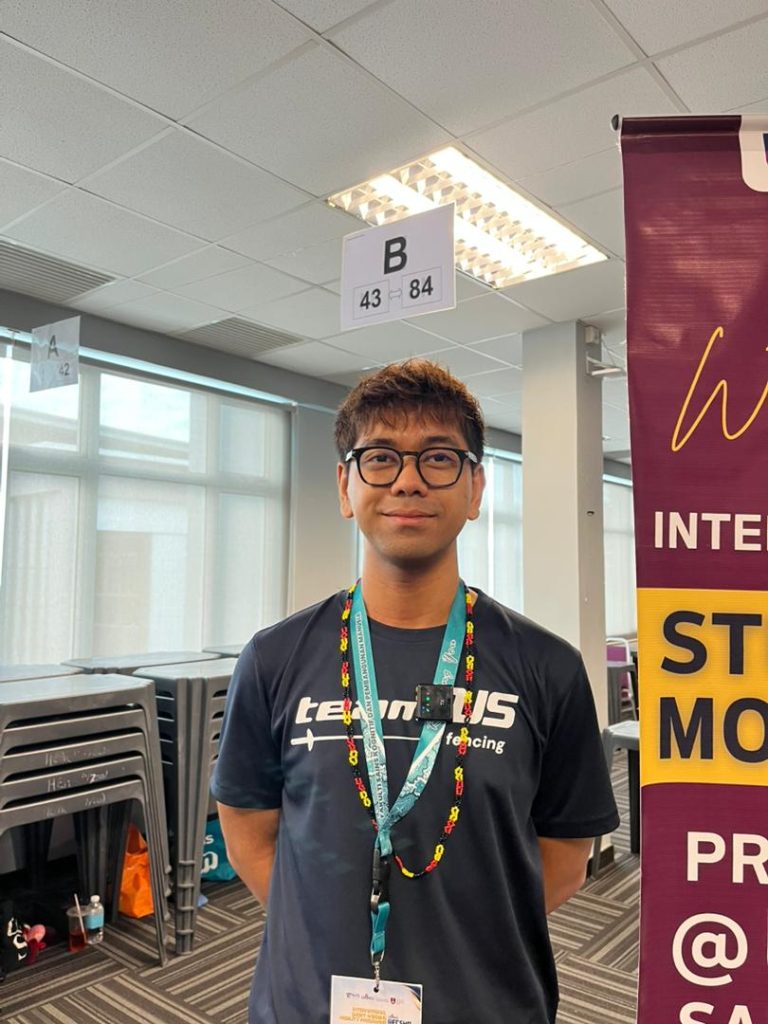
Meanwhile, Nabil Asfar Shahrin, 23, said the visit to Banyu Tribal Village gave participants the opportunity to experience Bidayuh and Iban cultures more closely through cultural activities and interactions with the local community.
He said participants were also given the opportunity to try traditional attire and cultural performances that helped them better understand Sarawak’s indigenous heritage.
According to Nabil, the programme not only benefitted students academically but also encouraged them to become more open-minded towards different cultures and regional issues.
“In Sarawak, culture is celebrated as part of everyday life, and that was very inspiring for us.”
The programme aims to strengthen regional academic collaboration while promoting cultural understanding among students from Malaysia and Singapore.