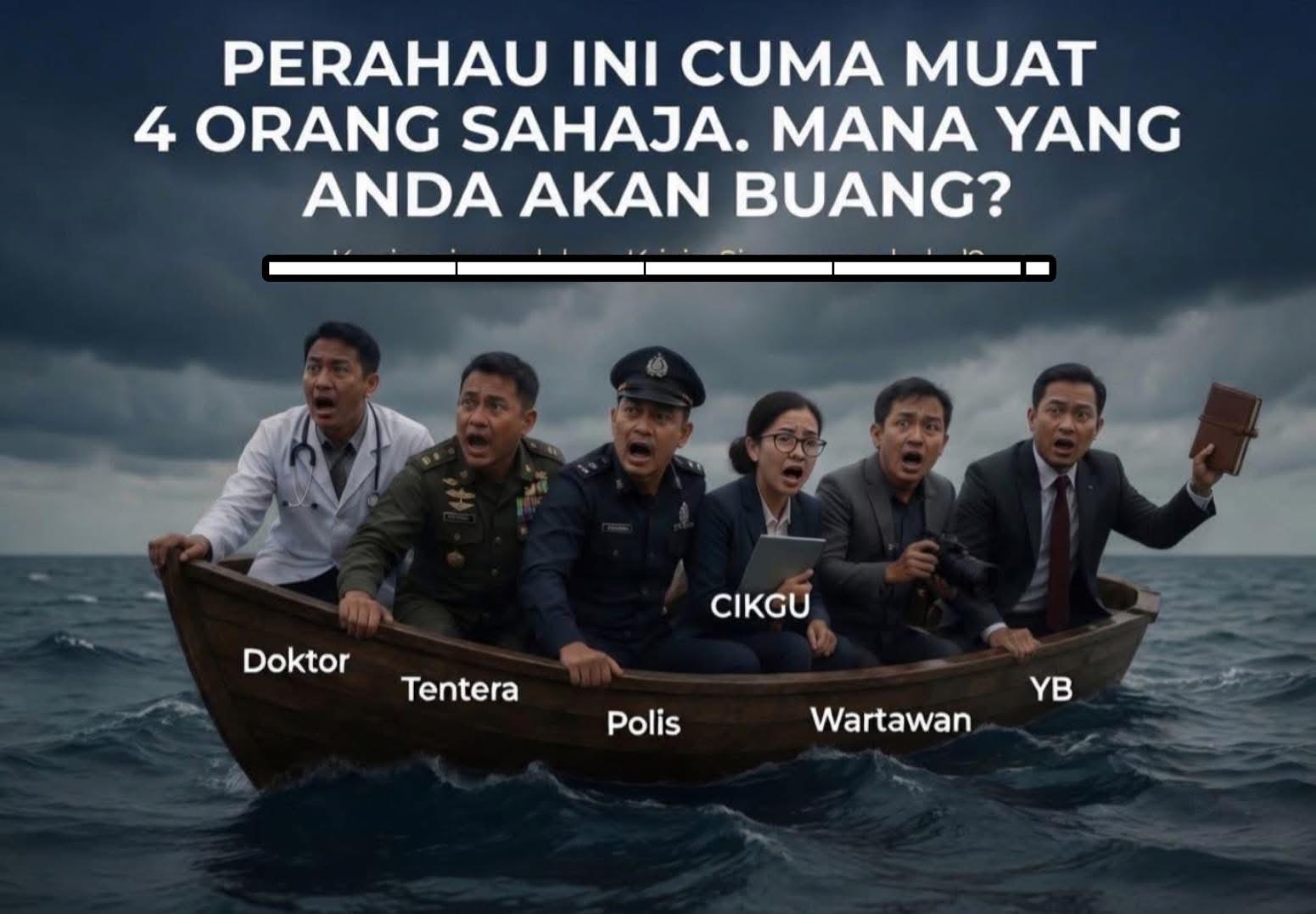
IN a small wooden boat drifting through rough seas, six individuals from different professions sit shoulder to shoulder – a doctor, soldier, police officer, teacher, journalist and elected representative.
The question above them is blunt: “The boat can only carry four people. Who would you throw away?”
For many online users, the answer came quickly.
“Throw the journalist.”
Some chose the elected representative too, but much of the online reaction appeared directed at reporters, with comments questioning the relevance and importance of journalism compared to professions more visibly associated with saving lives or protecting public safety.
But behind the jokes and harsh comments lies a deeper question. Has society forgotten the role journalism plays until the moment it is needed most?
For journalists, the criticism is neither new nor surprising. It comes with a profession often misunderstood from the outside. While readers see headlines on their phones or newspapers on breakfast tables, they rarely see the long days behind them. The rushed interviews, late night rewrites, constant verification, endless travel and pressure to get facts right under unforgiving deadlines.
The irony, however, is that the same digital platforms criticising journalists frequently rely on news gathered by reporters in the first place.
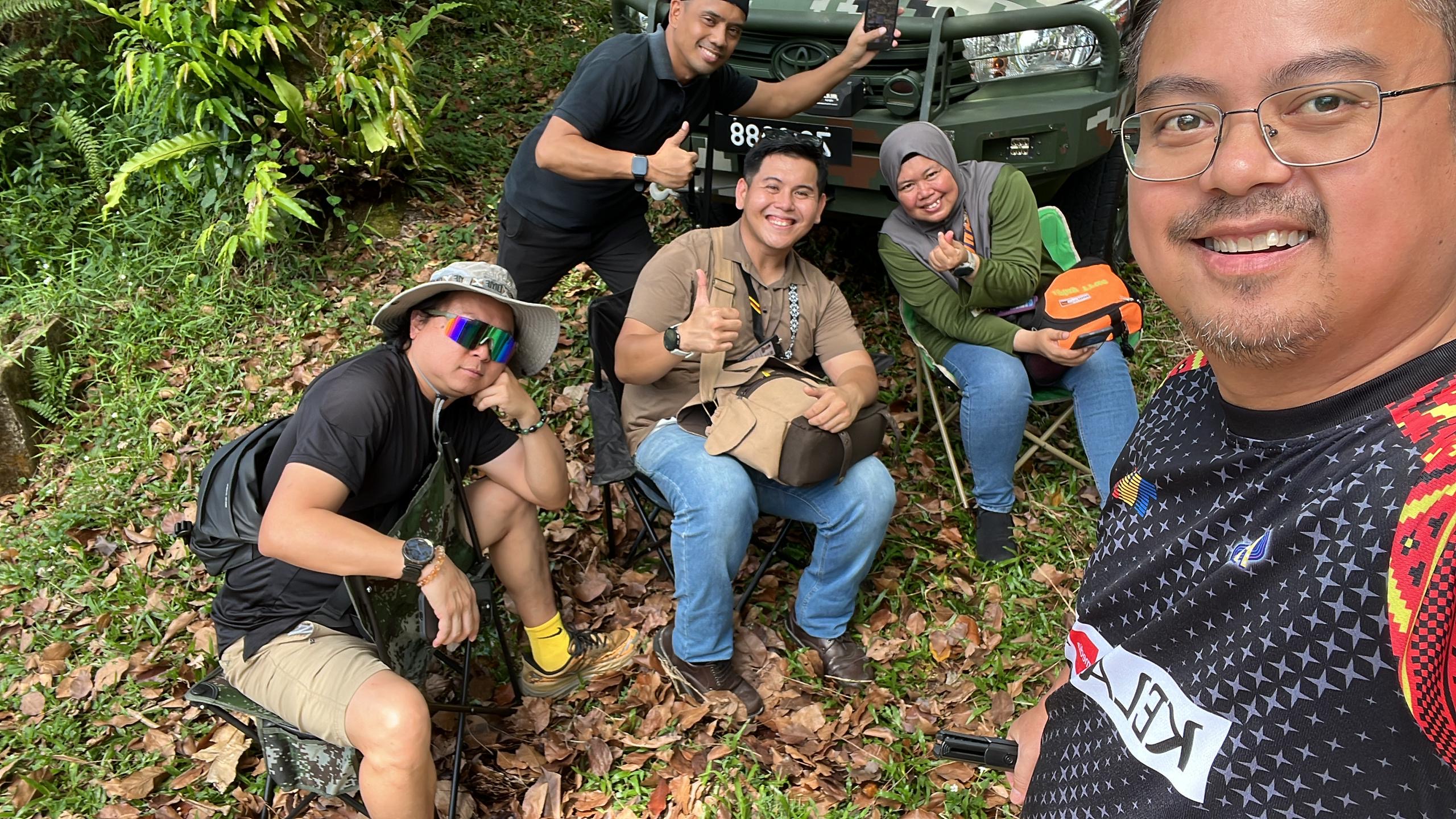
Political controversies, government announcements, accidents, disasters and policy decisions often reach the public because journalists gathered, verified and reported the information before it spread across social media.
When floods hit rural villages, reporters travel to affected areas to document what communities are facing. During elections, journalists attend press conferences, analyse policies and question leaders on issues affecting the public. In times of accidents, disasters or emergencies, newsrooms work late into the night to ensure updates reach the public quickly and accurately.
In many cases, journalists also become the bridge between ordinary people and authorities.
Complaints involving damaged roads, water disruptions, welfare concerns or poor infrastructure frequently gain wider attention only after being highlighted by the media. For rural communities especially, media coverage often becomes one of the fastest ways for problems to reach decision makers.
Yet journalism remains one of the easiest professions to dismiss online.
Part of this comes from growing distrust towards media worldwide, fuelled by misinformation, political divisions and the belief that social media has replaced journalism altogether. Today, anyone with a smartphone can post opinions, upload videos or spread information instantly.
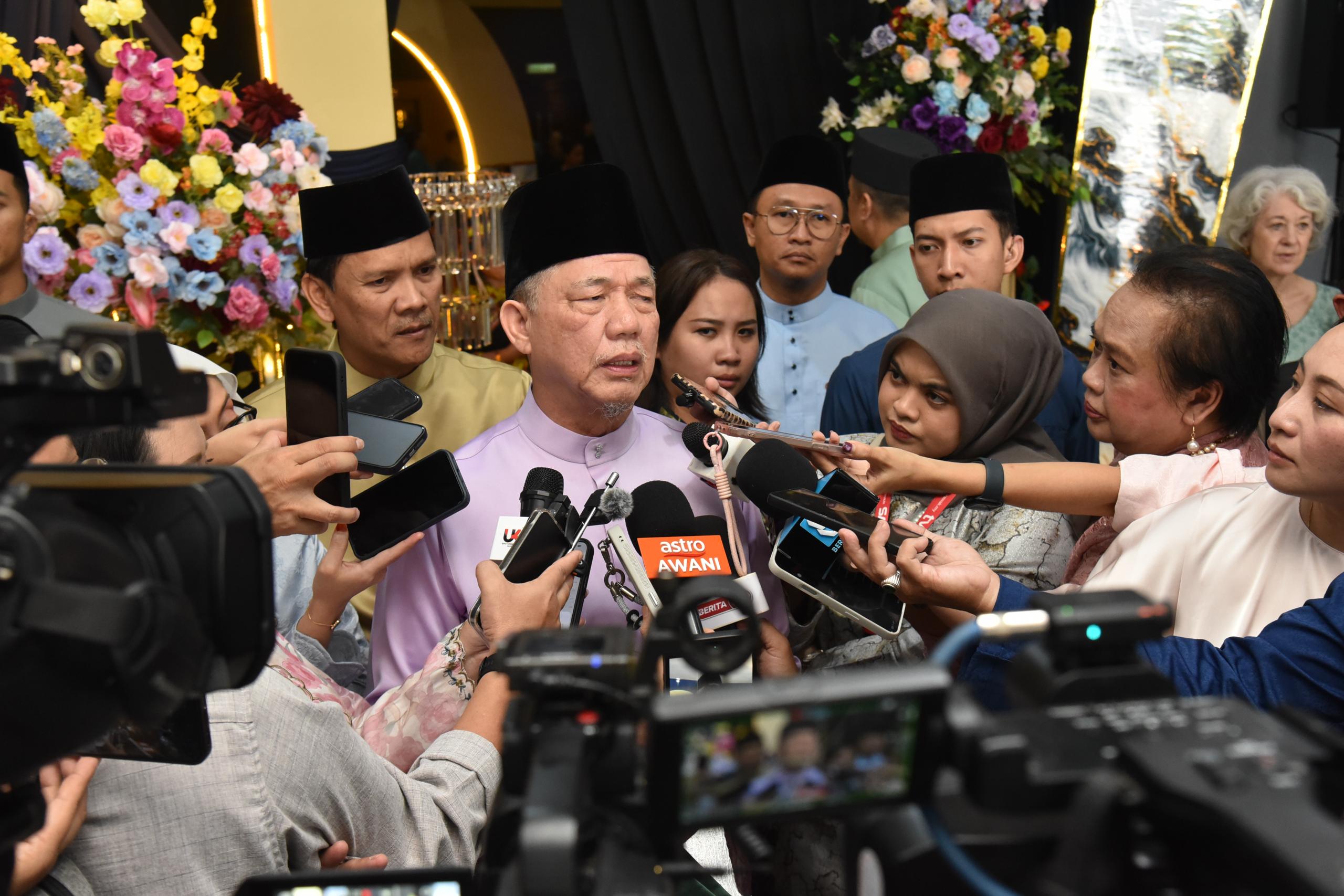
But journalism is not simply about posting content.
It is about verification, accountability and responsibility.
Without journalists checking facts and providing context, misinformation spreads quickly and confusion follows just as fast.
The profession also carries emotional weight that many outside the industry rarely see.
Journalists regularly cover fatal accidents, grieving families, natural disasters, and sensitive community issues. They work weekends, public holidays and late nights because news does not stop outside office hours. In smaller newsrooms, reporters often multitask as writers, photographers, video editors and social media coordinators at the same time.
In Sarawak, the challenges can become even greater.
Some assignments involve travelling long distances to rural areas with poor internet connection and difficult road conditions, while balancing multiple deadlines within a single day.
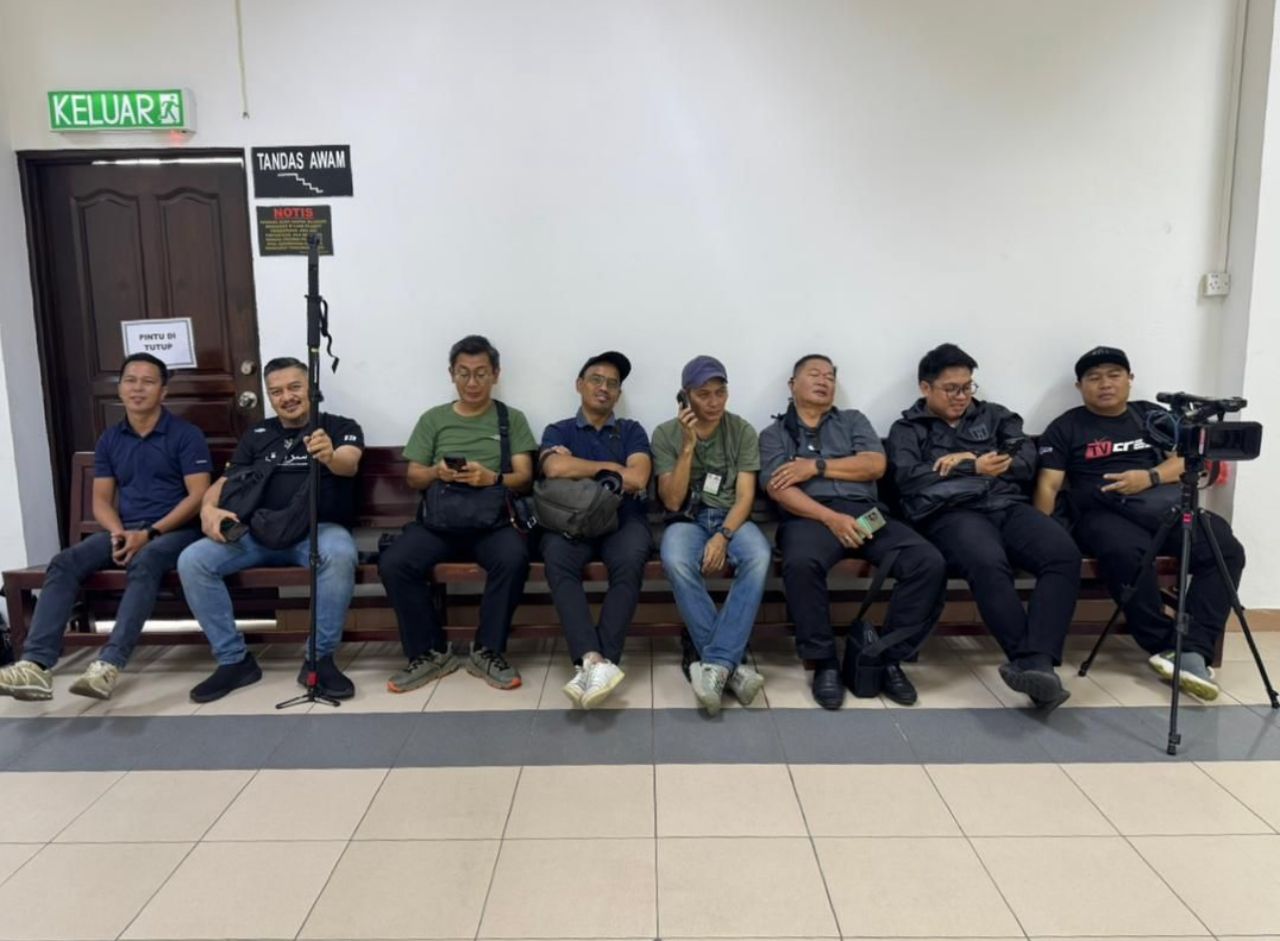
Despite this, journalism rarely receives the same appreciation as other frontline professions because its contributions are less visible.
People may not think about journalists during ordinary days. But during moments of crisis, uncertainty or public confusion, many still turn to reporters for updates, explanations and answers.
Doctors save lives. Teachers shape minds. Security forces protect communities. Elected representatives govern and make policies. Journalists ensure people know what is happening around them.
Each profession serves society differently.
Perhaps the real problem with the boat question is not who deserves to stay aboard, but why society has become so comfortable dismissing certain professions without understanding the weight they carry.
For journalists, the answer may never lie in public praise or recognition. Much of the work happens quietly, story after story, deadline after deadline.
And maybe that is the nature of the profession itself – to continue documenting the world, even when the world does not always appreciate the people holding the notebook.