By Ahmad Erwan Othman
KUALA LUMPUR: The tendency among some individuals to underestimate the mountain, fuelled by the pursuit of instant popularity on social media, has been identified as one of the main factors contributing to the rising number of missing hikers and emergency incidents in the forest.
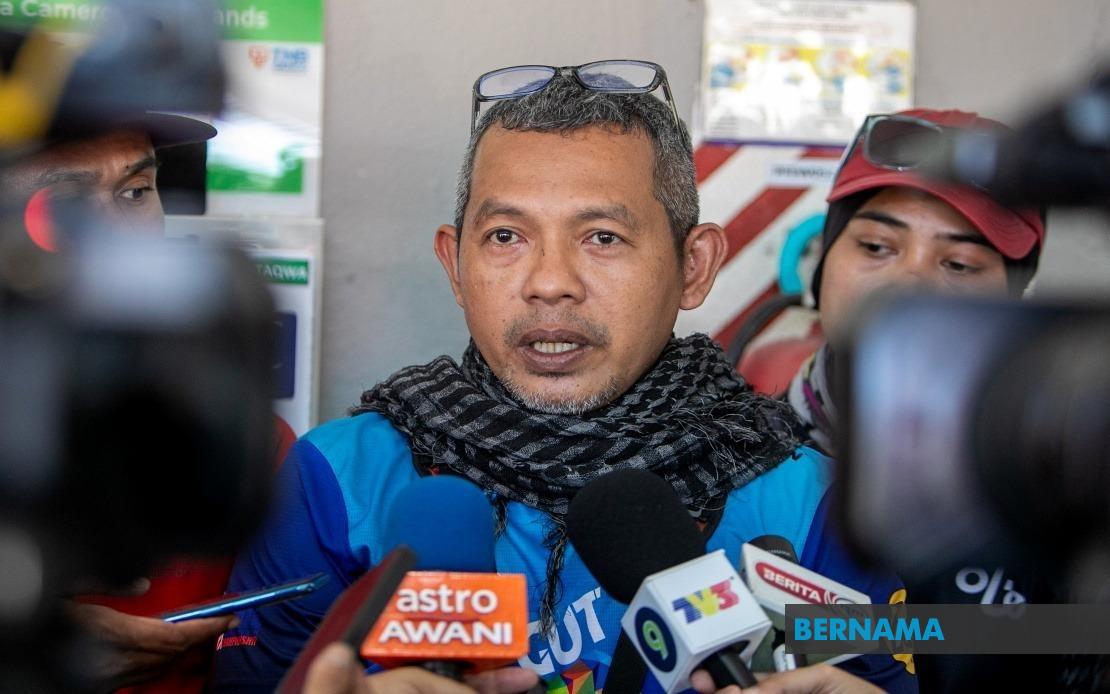
Mountain Medicine Society Malaysia president Muhamad Aliff Abdullah said that although more people are taking up outdoor recreational activities, safety awareness among enthusiasts has not grown in tandem with the rising popularity of the activity.
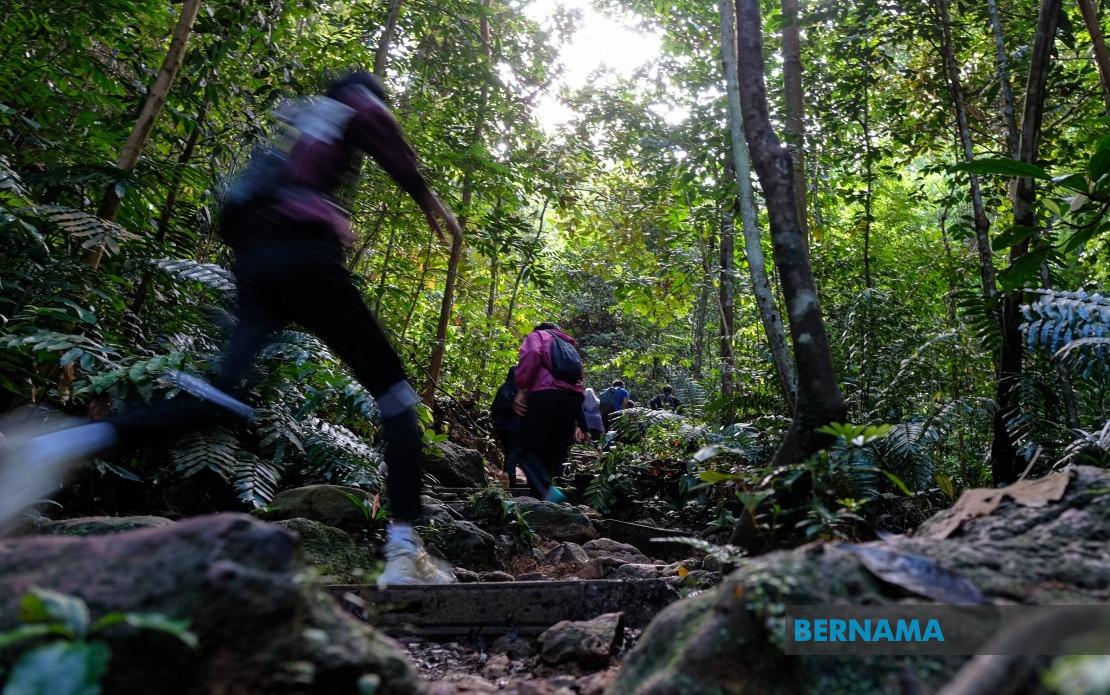
He said that the abundance of aesthetic content on digital platforms has given rise to a trend of “express hikers” who are obsessed with chasing peaks or ticking off mountains, for fear of missing out (FOMO).
“Many people see hiking as a low-risk activity, while the mountain environment can change very quickly and unpredictably. Problems arise when social media doesn’t reflect the reality of the challenge, but only shows the beautiful end result.
“As a result, many go for challenging category trails without basic experience, proper physical training, and without honestly assessing their own abilities. This can lead to a reduced ability to make rational decisions due to extreme fatigue, hypothermia, or acute mountain sickness (AMS),” he told Bernama recently.
Muhamad Aliff, an expert in wilderness medicine and high-altitude hiking and climbing, explained that emergencies in the forest are usually the result of a chain of weaknesses, including equipment preparation, fitness levels, terrain, and mental assessment of hikers.
He said that among the common critical mistakes in the field are failing to maintain team discipline, refusing to turn back during bad weather, as well as relying too heavily on gadgets without basic navigation and survival skills.
Commenting on beliefs surrounding missing hiker incidents and mystical elements or forest taboos, Muhamad Aliff, who is also the 7 Continents Exploration Club of Malaysia (KE7B) president, said that while elders’ customs and advice should be respected as part of culture, modern science must remain the priority.
“Many traditional taboos, such as not speaking loudly or not leaving the group, actually carry important safety elements. However, scientifically, what is often seen as ‘mystical disturbances’ is usually caused by dehydration, panic, lack of sleep, or or reduced oxygen to the brain, or high-altitude cerebral oedema (HACE),” he said.
In this regard, he suggested that hiking safety management in the country be reformed through a more modern and structured risk management system.
Muhamad Aliff also proposed a standard mountain risk-rating classification system, as well as mandatory digital registration systems, including QR codes, live tracking, or emergency beacons for high-risk routes.
He also called for stricter action against those engaging in hiking activities without a permit, as well as efforts to strengthen rescue expertise through a national-level outdoor recreation safety education module.
“Mountains cannot be challenged with ego. The best reform lies not only in law enforcement, but in building a more mature safety culture within the outdoor recreation community,” he said.
Meanwhile, Norimah Abd Karim of Persatuan Malim Gunung Perhutanan (MGP) Selangor said SOP violations, such as ignoring team discipline and refusing to use the ‘buddy’ system in the rush to reach the summit first, remained the biggest challenge faced by mountain guides.
With over 10 years of experience, including completing the Trans Titiwangsa expedition, she warned that it is risky for hikers to carry minimal gear just to appear like professional trail runners on social media.
“There are hikers who focus more on getting interesting content that they are willing to take risks and neglect their own safety. In fact, there is a trend where they go on ‘Trans’ trips (covering several peaks in one expedition) without enough preparation.
“Going with friends on what is expected to be a leisurely hiking experience often turns out differently when faced with the real situation in the field,” said the private sector worker, has been doing mountain guiding since 2022.
Norimah said that to minimise risks in the future, she supports the Forestry Department’s move to make MGP services mandatory for hiking activities above 500 metres above sea level, as well as the use of digital tracking applications and efforts to continuously strengthen safety education campaigns.
Forest and hiking safety issues have once again come under the spotlight following a series of tragedies, including the case of Jaslinda Saludin, 49, who went missing at Gunung Batu Putih, Tapah, last Saturday, with search and rescue (SAR) efforts still ongoing.
Nur Izzati Humaira Azizul, 19, went missing on May 23 while descending Bukit Changkat Asa in Hulu Bernam, Selangor, before her body was recovered four days later by search teams, while in October last year, 34-year-old Mustaqqeem Mansoor died from hypothermia during an expedition at Gunung Liang Barat in Perak.
These fatal incidents add to the case of Mohammad Ashraf Hassan, 29, who went missing during the Gopeng Ultra Trail event at Bukit Batu Putih, Gopeng, in March 2019, which remains an unresolved mystery to this day.–BERNAMA