Direct control could improve credibility and regulatory alignment
FINAL PART OF THE SERIES
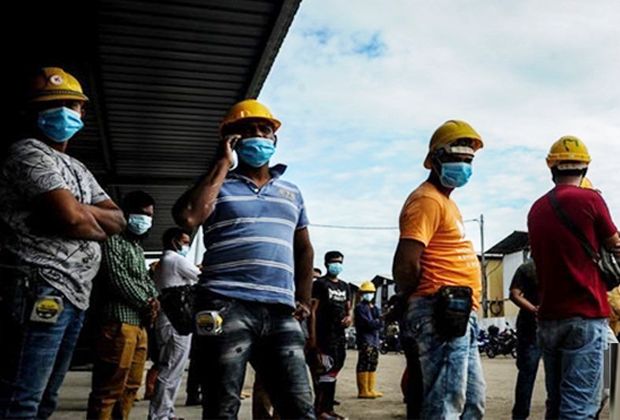
SARAWAK employers have been granted temporary relief under the Foreign Workers Transformation Approach (FWTA) as the state government reviews the long-term fee structure following concerns raised by industry groups.
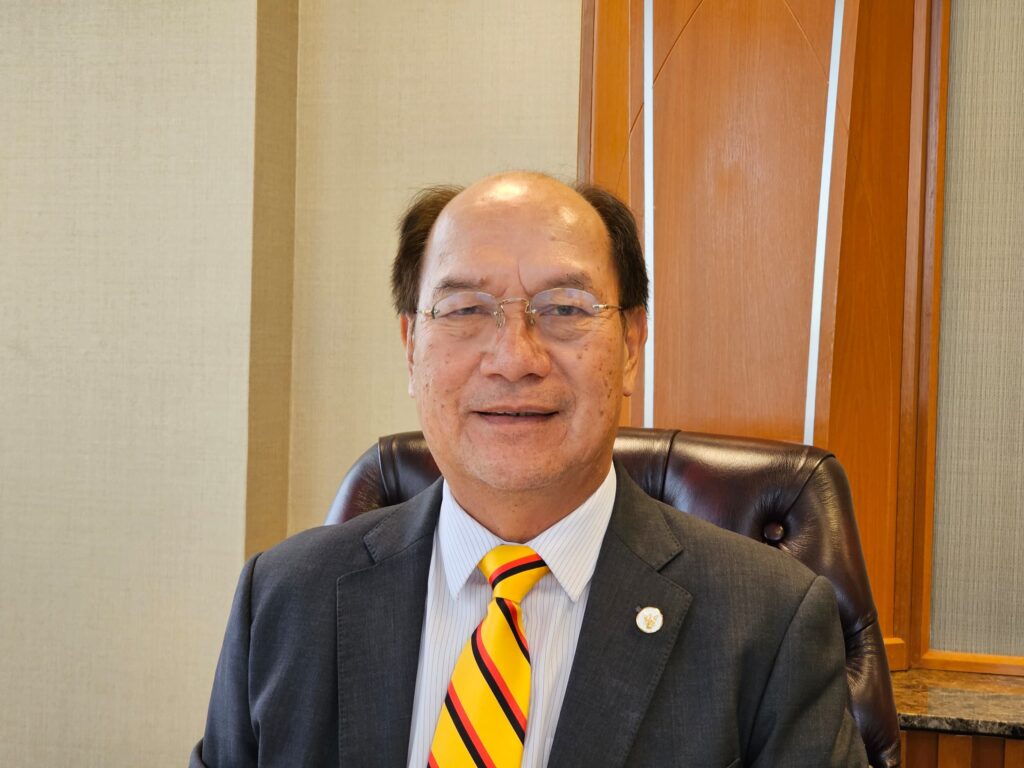
Deputy Minister in the Premier’s Department for Labour, Immigration and Project Monitoring Datuk Gerawat Gala said the government had taken note of feedback from business associations and employers regarding FWTA costs.
He said the fee for foreign worker work permit applications and renewals remained RM1,854 under the contract with the appointed service provider.
“However, following continued engagement and negotiations with industry players, employers have been granted a 51 per cent discount on FWTA renewal fees from Jan 2025 to June 2026, reducing the cost to RM904 per renewal.
“From July to Dec 2026, a 20 per cent discount will be applied, bringing the renewal fee down to RM1,483. Any further discounts beyond December 2026 will be subject to additional negotiations,” he said.
Fee structure under review
The announcement comes as the state government begins a broader assessment of the fee structure and its impact on businesses that depend heavily on foreign labour.
“The study will assess the operational impact on industries that are heavily reliant on non-resident labour, while ensuring that the objectives of modernising, securing and digitalising Sarawak’s labour management ecosystem were preserved.
“It will involve engagement with industry players and business organisations.”
Gerawat said employers should also review their own recruitment cost structures and avoid dealing with unauthorised agents.
“Employers should check with the relevant foreign consuls or embassies on authorised recruitment agents in the country of origin to avoid dealing with unauthorised and unscrupulous agents, which could give rise to unnecessary costs.”
He also encouraged companies to train human resource personnel to use the FWTA system directly rather than relying heavily on agents.
“All parties needed to work together to create an efficient and competitive ecosystem for the management of non-resident workers through FWTA.”
Government highlights efficiency gains
Defending the initiative, Gerawat said FWTA was introduced through a public-private partnership to digitalise the recruitment process for non-resident workers.
“The system also allows the Sarawak government to maintain its own database on non-resident workers and monitor processes between state and federal agencies supporting FWTA.
“With the implementation of FWTA, processing time has been reduced from 197 days to an average of 60 days; a reduction of nearly 70 per cent.
“This significantly shortens waiting periods for employers and delivers tangible value through greater certainty, improved planning, and financial efficiencies,” he said.
Gerawat said employers previously absorbed significant hidden costs arising from delays, worker downtime, repeated administrative visits, operational uncertainty and missed business opportunities.
“In reality, the previous system was not cost-free; its costs were simply indirect, unquantified and absorbed by employers,” he said.
He added that further updates would be announced after completion of the study.
Industry welcomes review but wants deeper changes
Sarawak Oil Palm Plantation Owners Association (SOPPOA) chief executive officer Felix Moh Mee Ho welcomed the government’s willingness to review the framework but said concerns remained.
“Greater stakeholder engagement and consultation would be useful in identifying a mutually acceptable solution that balanced the government’s regulatory objectives with the operational realities faced by industry.
“Continued dialogue will help establish a practical middle ground that is sustainable for all parties,” he told Sarawak Tribune.
Moh said employers remained concerned that FWTA fees were still relatively high despite the discounts announced.
He also cautioned that the involvement of multiple parties in the public-private partnership model could create additional complexity unless procedures were continuously streamlined.
“The FWTA fee structure continued to create a cost differential between employers operating in Sarawak and those in Peninsular Malaysia and Sabah, where similar charges were not imposed.
“The disparity had implications for export-oriented and labour-intensive sectors competing in the same national and international markets.”
He suggested the government consider assuming ownership of the system infrastructure.
“Such an approach could further strengthen transparency, accountability and public confidence, while ensuring that the system remained aligned with the state’s broader development objectives.”
Given the palm oil sector’s contribution through State Sales Tax, he said part of the revenue could be reinvested into initiatives that strengthened competitiveness and labour administration.
“The association remained committed to working closely with the Sarawak government and relevant agencies to develop practical, transparent and industry-friendly solutions that supported both economic growth and effective governance.”
Businesses call for clearer roadmap
Sarawak Business Federation (SBF) secretary-general Datuk Jonathan Chai said the review was a positive sign of continued engagement between policymakers and industry.

“Continued dialogue is essential, but business confidence will ultimately depend on whether industry feedback is translated into meaningful and responsive policy adjustments,” he told Sarawak Tribune.
Chai said rising labour-related charges were adding to broader cost pressures already faced by businesses.
“The increase in foreign worker-related fees, alongside rising operational expenses such as logistics, compliance and raw materials, has significantly strained business sustainability.
“Existing and proposed discount arrangements are insufficient to offset these pressures, especially for firms operating on thin margins with limited ability to pass on costs to consumers.
“Without stronger support mechanisms or more substantial fee reductions, if not full waivers, some businesses may be forced to scale back operations, delay expansion plans, or absorb financial losses,” he said.
He stressed that governance reforms should be implemented gradually and accompanied by transparent cost recovery measures.
“In many sectors, foreign workers remained an indispensable component of production due to structural labour market constraints.
“As such, cost recovery measures must be transparent, well justified and accompanied by demonstrable improvements in system efficiency.
“Policy implementation should also be gradual to avoid unnecessary disruptions to business operations and supply chains.”
Looking beyond 2026, Chai said businesses needed greater certainty.
“More importantly, a clear and consistent policy roadmap will provide the certainty businesses need to plan investments, manage workforce strategies, and remain competitive.
“A collaborative and adaptive policy framework, one that balanced reform objectives with business sustainability, would be critical to ensuring that FWTA achieved its intended outcomes without undermining economic growth and competitiveness.”