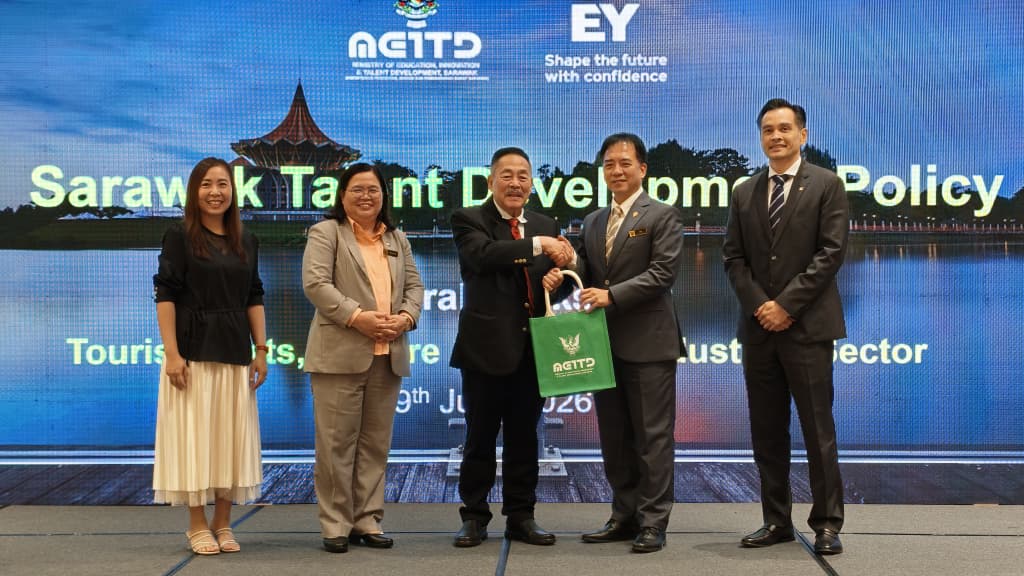
KUCHING: The forthcoming Sarawak Talent Development Policy will be geared to ensure talent development efforts directly support the state’s economic transformation agenda.
It is, in this instance, being developed in close alignment with the Post Covid-19 Development Strategy (PCDS) 2030 and Sarawak’s 13th Malaysia Plan (13MP) goals.
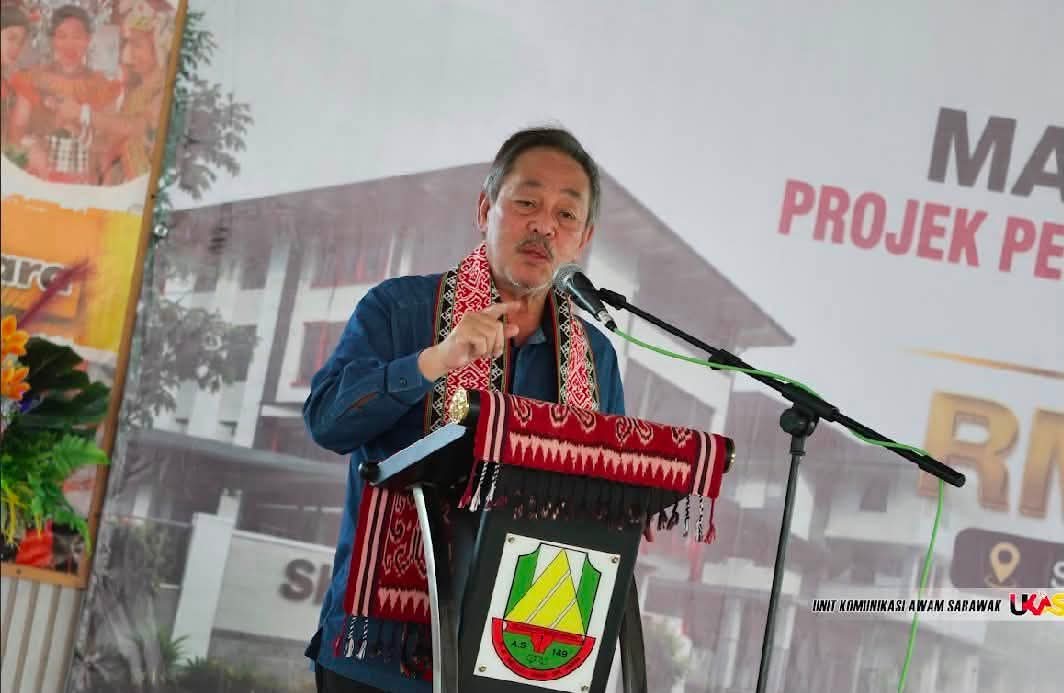
Education, Innovation and Talent Development Minister Datuk Seri Roland Sagah said the policy would serve as a key mechanism in strengthening Sarawak’s workforce capabilities in line with the state’s long-term development priorities.
“The Sarawak Talent Development Policy will be developed to align closely with and reinforce the objectives of PCDS 2030 and Sarawak’s 13th Malaysia Plan,” he said during the Sarawak Talent Development Policy Workshop for the Tourism, Arts, Culture and Creative Industries Sector here today.
Sagah said the policy adopts a comprehensive approach encompassing all 15 socio-economic sectors and enablers, while giving special emphasis to high-impact sectors that are expected to drive future growth.
“Among the priority sectors identified are commercial agriculture, social services, tourism, arts, culture and creative industries, manufacturing and SME development, forestry, natural asset management and conservation, mining and oil and gas, transport and logistics, as well as energy transition,” he added.
He said this approach would ensure talent development initiatives remain closely linked to Sarawak’s key economic priorities and transformation plans.
To guide the policy’s development, Sagah said three fundamental questions have been identified.
“The first focuses on determining the critical talent capabilities required to support Sarawak’s 2030 economic vision, including identifying the skills, roles and competencies needed across priority sectors.
“The second examines how Sarawak can build, attract and retain talent through practical implementation plans covering the entire talent pipeline, from education and upskilling to attracting Sarawakians home and retaining local talent.
“The third centres on establishing governance structures and systems that can ensure accountability and sustained delivery of the state’s talent agenda through coordinated efforts involving government agencies, industry players, academia and training providers,” he said.
To support these objectives, Sagah stated that the ministry has initiated the Sarawak Talent Development Policy and Framework Study, led by Ernst & Young Malaysia, Universiti Malaysia Sarawak (UNIMAS), University of Technology Sarawak (UTS) and the Sarawak Premier’s Office.
According to Sagah, the study will provide a data-driven roadmap to strengthen Sarawak’s talent ecosystem.
“Among its key deliverables are a comprehensive talent development policy and framework, sector-based workforce analysis, a competitive Sarawak Employment Package aimed at addressing wage gaps, a Human Resource Council framework to strengthen governance, and robust systems for workforce data monitoring and reporting.
“Our mission is to facilitate the movement of Sarawakians into high-value employment, directly translating into improved household incomes,” he said.
Sagah called on stakeholders to actively contribute their insights and feedback to ensure the policy evolves into practical and implementable actions that address industry needs and create opportunities for Sarawakians.
“I hope today’s discussion will be open, constructive and forward-looking, so that we can collectively shape a policy that supports industry needs, creates opportunities for Sarawakians, and contributes to Sarawak’s long-term development agenda,” he added.
Also present were Deputy State Secretary (Operation) Datuk Hii Chang Kee and deputy permanent secretary to the ministry Anelia Siam.