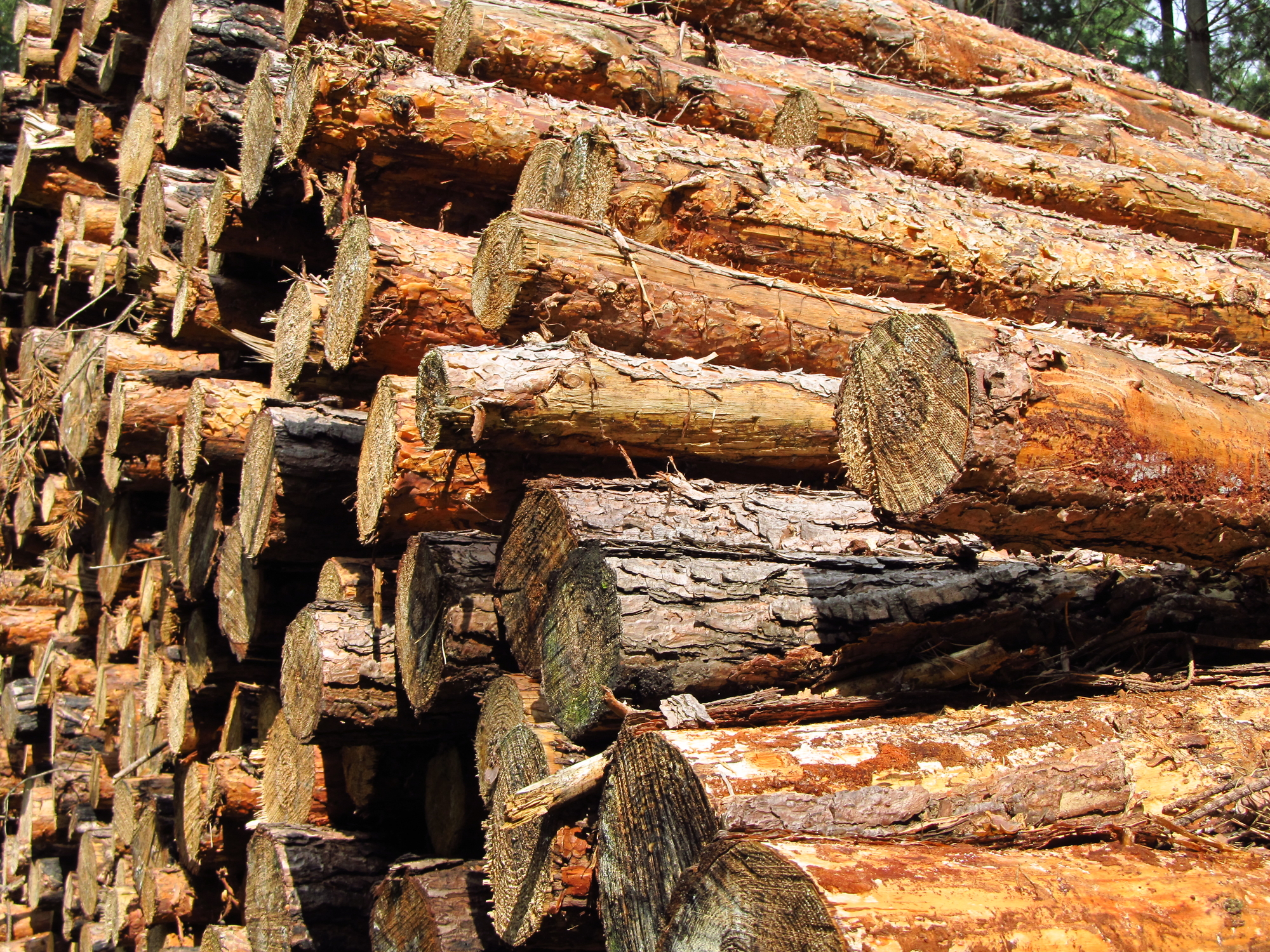
KUCHING: The Sarawak government has stepped in to help timber players by approving a 50 per cent reduction in timber royalty rates and selected statutory charges for natural forest timber.
At the same time, according to Global Timber Index (GTI)- Malaysia Report for April 2026, Sarawak is pushing forward with a transformation of timber sector, focusing on the development of high value-added segments, such as engineered wood and furniture, with plans to establish furniture parks in Kuching and Tanjung Manis, Mukah Division.
According to Malaysia Furniture Council, production costs in the country’s furniture industry have risen by approximately 25 per cent to 30 per cent over the past two years due to a combination of factors.
As this hike has weakened manufacturers’ bargaining power, they have called on the government to introduce favourable policies to help them control costs.
In April 2026, the GTI-Malaysia index registered 27.5 per cent, a decrease of 4.3 percentage points from the previous month, was below the critical value (50%) for many months.
This indicated that the business prosperity of the superior timber enterprises represented by the index shrank from March.
For the 12 sub-indexes, only the purchase price index was above the critical value, and the inventory of finished products was the only at the value while the remaining were all below the critical value.
Month-on-month, the indexes for existing orders, purchase quantity, purchase price and market expectation increased by 3.6-16.1 percentage points whereas the indexes for harvesting, production, new orders, export orders, inventory of finished products, inventory of main raw materials, employees, and delivery time declined by 1.8-7.8 percentage points, said the report which was prepared by Global Green Supply Chains (GGSC) Initiative in collaboration with International Tropical Timber Organisation (ITTO).
In April, GTI-Malaysia enterprises said they faced various challenges; the main ones being low market demand, decreased orders volume for their products, higher labour and diesel costs, and freight cost to the United States had gone up.
“There was excessive imported plywood in the Sarawak market, the global construction market remained weak, and vessel space was not enough.
“Demand was weak and unstable, at the same time, costs continued to climb due to global oil prices, geopolitics, unstable supply of logs and chemical materials, and exchange rate fluctuations,” they said.
To address or mitigate these challenges, the enterprises suggested slowing down production based on market demand and strengthening raw material reserves.
They urged the government to intervene to increase container and shipping capacity, and to introduce stimulus policies to boost building and construction projects.
They also suggested adjustment to production plans, strengthen cost control, enhance coordination to ensure stable supply of raw materials, closely monitor the global situation, and explore alternative markets for their products.
Global Timber Index (GTI)- Malaysia Report for April 2026 said currently, Malaysia’s timber sector is still affected by limited fuel supplies and high fuel costs.
Like Malaysia, sample timber enterprises in several other pilot countries covered by GTI Index faced similar challenges; the key one was the high costs.
The pilot countries include Indonesia, China, Mexico, Ecuador, Republic of Congo (ROC), Gabon, Thailand, Brazil and Ghana. Among the 10 pilot countries, the GTI Report for April reveals that only China (53.5%), Ecuador (53%) and Mexico (52%) recorded GTI readings above the 50% critical value, indicating an overall uptrend in their timber sectors.
Indonesia and Thailand scored 47.8 per cent and 45.8 per cent respectively, Malaysia at 27.5 per cent was the lowest among the pilot countries.
The GTI sub-indexes revealed that harvesting volume in Mexico rose as compared to March while Brazil maintained stable harvesting for the third consecutive month.
On the production side, Gabon, Ecuador and China all showed gains. On the demand side, new orders increased in Mexico, Ecuador and China, and the Congo saw new orders remain stable for the third consecutive month, with both domestic and international markets running relatively steady.
In terms of forest governance, the report said Mexico, with support from the Food and Agriculture Organisation of the United Nations (FAO) and the Global Environment Facility (GEF), is advancing its first national policy for deforestation-free, low emission livestock production so as to address forest loss driven primarily by cattle ranching.