GENEVA (Switzerland): Three candidates vying to become the next United Nations secretary-general have argued that the organisation is overdue for its first female leader, as campaigning intensifies ahead of the selection process later this year.
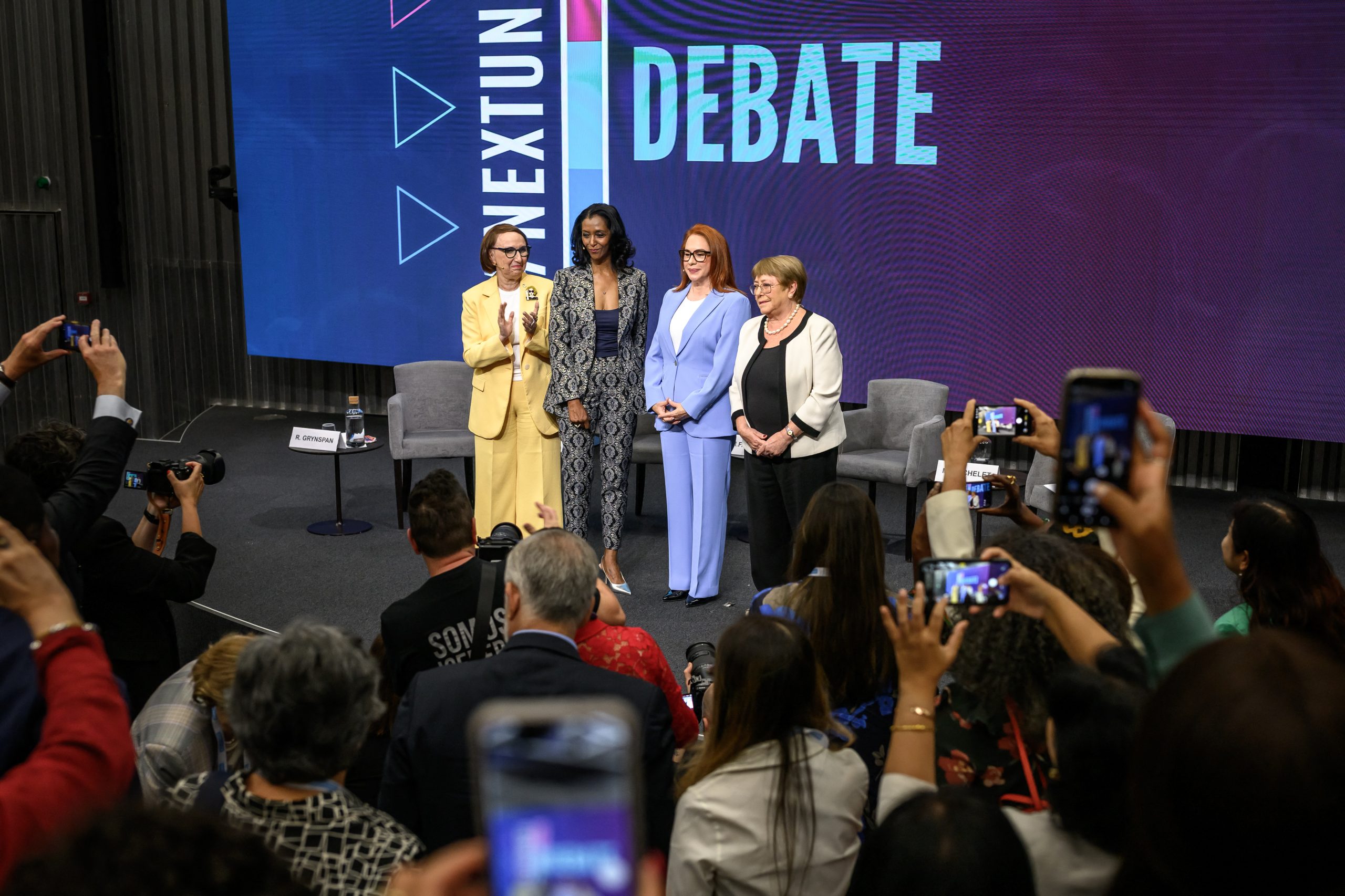
Speaking at a debate in Geneva on Tuesday, former Chilean president Michelle Bachelet, UN Trade and Development (UNCTAD) chief Rebeca Grynspan of Costa Rica, and former Ecuadorian foreign minister Maria Fernanda Espinosa highlighted both their qualifications and the need for stronger female representation at the world body.
Espinosa said it was “about time” a woman led the UN after 80 years of its existence, while stressing that the next secretary-general should be “the best woman, not any woman”.
Bachelet echoed that view, saying women could bring greater humanism to global leadership, but emphasised that competence and courage were essential.
Grynspan, meanwhile, said she was running because she believed she was the best candidate for the role and called for a selection process free from preferential treatment.
The three are among five declared candidates seeking to succeed Antonio Guterres, whose second five-year term ends this year.
Other contenders include International Atomic Energy Agency chief Rafael Grossi of Argentina and former Senegalese president Macky Sall.
Many countries have backed the idea of appointing the UN’s first female secretary-general, while Latin American nations argue the post should rotate to their region under an informal geographical tradition.
The candidates also outlined their visions for reforming the UN at a time when it faces funding shortages, multiple international conflicts and declining confidence in multilateral institutions.
Espinosa described the UN as an irreplaceable global platform, while Grynspan called for stronger partnerships beyond the organisation.
Bachelet pledged to serve as an independent and active secretary-general.
The UN Security Council is expected to begin deliberations in late July before recommending a candidate for approval by the General Assembly, with the council’s five permanent members holding veto power. – AFP