KUCHING: Sarawak is well-positioned to play a leading role in advancing Malaysia’s ambition of becoming an artificial intelligence (AI) nation through the newly launched Sarawak Transitioning Industrial Cluster (TIC).
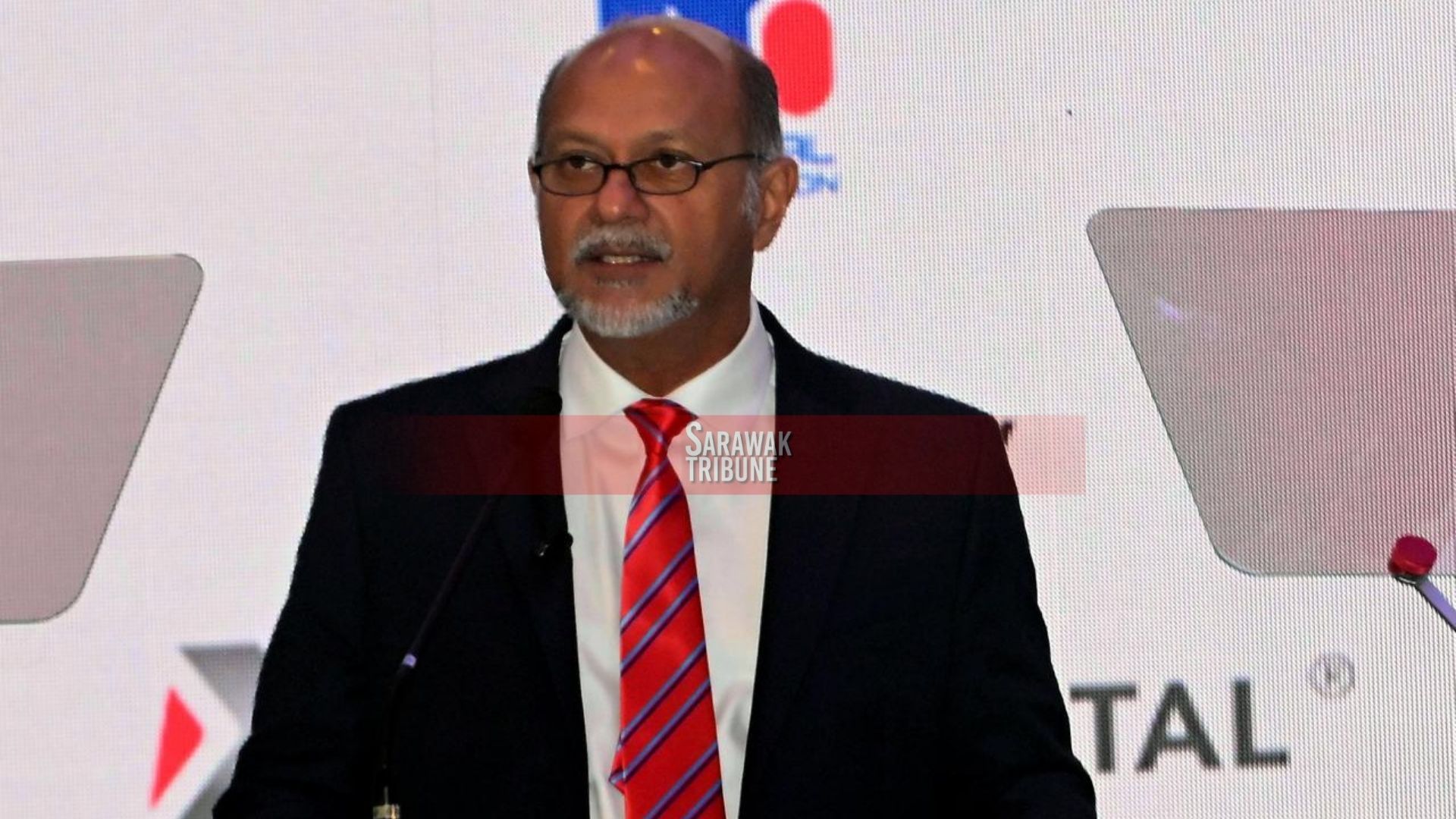
Minister of Digital, Gobind Singh Deo, said TIC Sarawak provides a real-world platform for Malaysia to accelerate the adoption of AI and other emerging technologies while supporting industrial transformation and sustainable economic growth.
He pointed out that Sarawak possesses many of the strengths needed to become a regional leader in sustainable industrial development, including its renewable energy resources, hydropower capabilities, hydrogen agenda, and long-term development vision under the Post COVID-19 Development Strategy (PCDS) 2030.
“TIC Sarawak provides a real-world platform for Malaysia to advance its ambition of becoming an AI Nation. Our vision for AI Nation 2030 is not simply about adopting new technologies.
“It is about building national capability. It is about ensuring that AI creates value for businesses, strengthens productivity, supports innovation, and generates new economic opportunities for Malaysians,” he said.
He said this during the launch of the ‘Sarawak Transitioning Industrial Cluster (TIC): Malaysia’s First Cluster Under the World Economic Forum – Bintulu: A Gateway to ASEAN’s Next Energy and Industrial Frontier’ at the Borneo Convention Centre Kuching (BCCK) on Thursday (June 11).
Gobind said digital technologies would serve as key enablers of industrial transformation, allowing industries to operate more efficiently, improve decision-making and remain globally competitive.
He also said technologies such as AI, data analytics, digital twins and automation will be crucial in helping industries adapt to a lower-carbon and increasingly technology-driven economy.
“The priority areas identified under TIC Sarawak, covering digitalisation, Fourth Industrial Revolution (4IR) technologies, energy and talent development, reflect the state’s ambition to build capabilities required for future industries. In many ways, TIC Sarawak represents the convergence of Malaysia’s industrial, energy and AI ambitions.
“It demonstrates how emerging technologies can move beyond experimentation and become practical tools for improving productivity, strengthening competitiveness and accelerating sustainable growth,” he said.
Gobind said TIC Sarawak is not merely a pilot project or theoretical framework but a live industrial environment where technologies can be deployed, tested and scaled under actual operating conditions.
He said the initiative would also create opportunities for Malaysian technology companies, startups and skilled talent to develop home-grown solutions and strengthen their participation in regional and global value chains.
At the same time, he stressed that talent development remains a critical pillar of the initiative.
“Success will ultimately depend on people. By working closely with industry to identify emerging skills requirements and create pathways for workforce development, we can ensure that Malaysians are equipped to benefit from the opportunities this transition creates,” he added.