KUCHING: Sarawak’s rights over oil and gas resources, alongside rising living costs, are emerging as key issues ahead of the next state election.
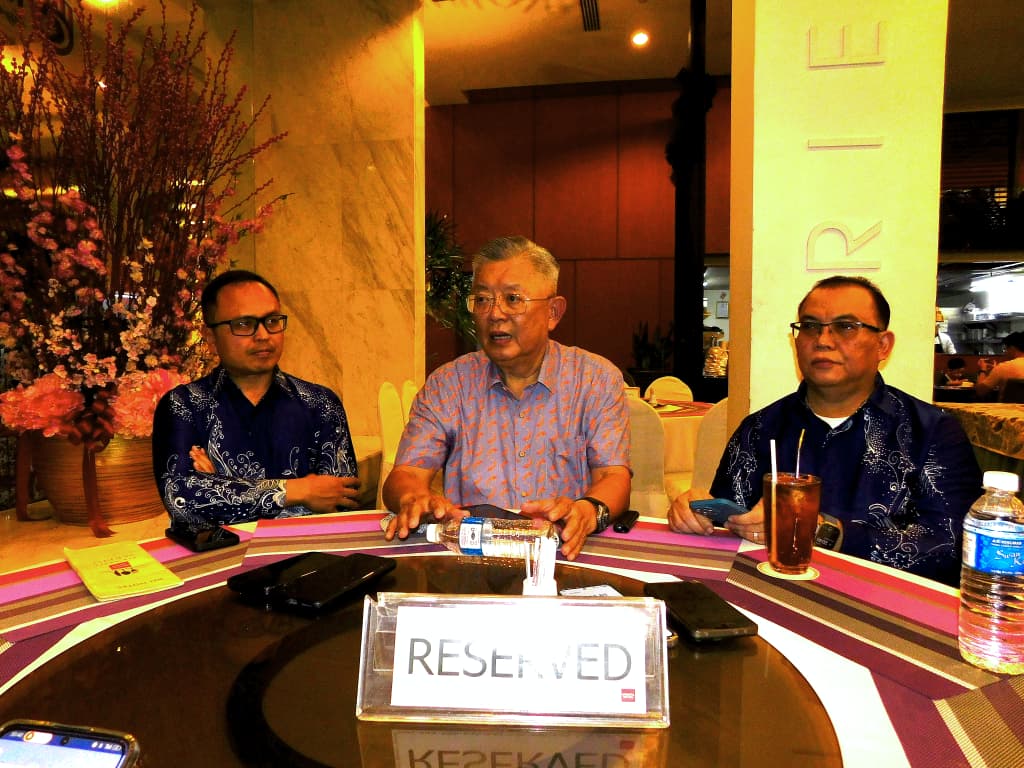
As speculation over the timing of the next Sarawak election intensifies, political analyst, Datuk Peter Minos, believes the campaign will be heavily influenced by the state’s ongoing struggle to defend its rights over oil and gas resources, particularly in relation to PETRONAS, as well as concerns over the rising cost of living.
According to Minos, the legal dispute involving PETRONAS and Sarawak is likely to become one of the most dominant themes of the election campaign.
He argued that the issue touches deeply on Sarawakian sentiment because it concerns ownership, control and management of the state’s natural resources.
He said Gabungan Parti Sarawak (GPS) would likely take a firm stand against PETRONAS for challenging Sarawak laws in court.
The perception that the national oil corporation, through the Petroleum Development Act 1974 (PDA74), has exclusive ownership over Sarawak’s oil and gas resources has generated unease among many Sarawakians who believe the state should have a greater say over resources found within its territory.
Minos stressed that Sarawak’s response should not be viewed as an attempt to create difficulties for the federal government or PETRONAS.
Rather, he said, it is about defending the state’s constitutional rights and legitimate interests when these are challenged.
“GPS cannot afford to be seen as passive on this issue. The coalition has a responsibility to protect Sarawak’s interests and defend them vigorously,” he said.
At the heart of the dispute, Minos argued, is the question of fairness and justice.
He noted that Sarawak had enacted laws governing oil and gas long before the PDA74 came into force and that these laws remain relevant.
He further contended that Sarawak requires greater financial resources to accelerate development and narrow the economic gap with Peninsular Malaysia.
Beyond oil and gas, Minos believes another issue likely to feature prominently in the campaign is what he described as the influence of Peninsular Malaysia’s political culture on Sarawak politics.
He claimed that some Peninsular-based political parties focus excessively on attacking GPS and government agencies instead of offering constructive policy alternatives.
Drawing from his observations of democratic practices in the United Kingdom, Minos said opposition parties should present practical solutions and alternative economic policies rather than rely on political confrontation.
He also accused certain parties of projecting a moderate image while allegedly resorting to racial and religious narratives during election campaigns, describing such behaviour as inconsistent with their public messaging.
On bread-and-butter concerns, Minos acknowledged that the rising cost of living remains a significant issue among voters.
Increasing prices of goods and services, coupled with stagnant incomes, are creating anxiety among households, especially those in lower-income groups.
He warned that inflation and declining purchasing power could eventually affect public sentiment if left unaddressed.
In his view, economic pressures are among the factors that have influenced election timing in several other Malaysian states.
Nevertheless, Minos believes GPS enters the coming election from a position of strength.
He said many Sarawakians appear satisfied with the coalition’s performance and development record, particularly in rural infrastructure, economic growth and social development initiatives.
“The mood on the ground suggests there is considerable support for GPS. Conversations in towns and villages indicate that many people are prepared to give the coalition a fresh mandate,” he observed.
With resource rights, state autonomy and economic concerns converging, the upcoming election is shaping up as a contest that will test both Sarawakian identity and voters’ expectations for continued development.