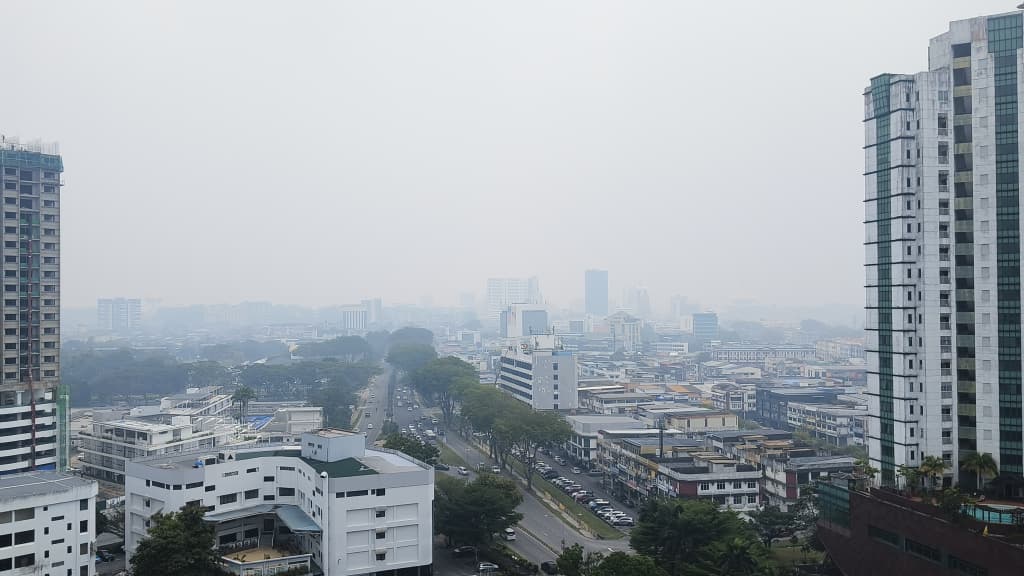
BAU: An estimated RM1.4 trillion worth of gold remains beneath Bau, but large scale mining is unlikely to resume due to concerns over land subsidence and the need to protect the historic district.
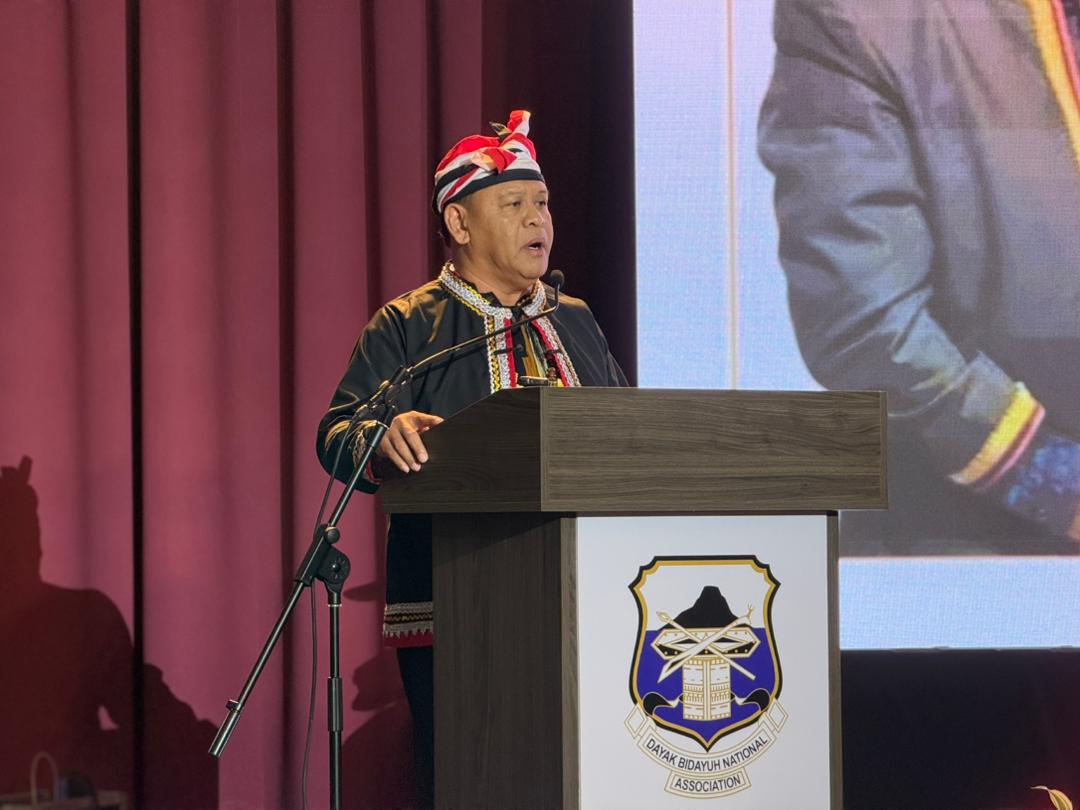
Tasik Biru assemblyman Datuk Henry Harry Jinep said Bau’s long association with gold mining dates back more than 200 years, with the industry playing a key role in the district’s development.
“To this day, significant gold reserves remain beneath the ground in Bau, estimated to be worth around RM1.4 trillion. However, we cannot simply continue mining activities because this area is underlain by limestone formations.
“Excessive excavation could result in land subsidence,” he said when officiating the Ngaruom Rami Borneo dinner held in conjunction with the official launching of the Bidayuh Cultural Centre Bau (DCCB) on Monday (Jun 22).
Henry said Bau became known as a gold mining district following the arrival of mining communities from Sambas and other parts of West Kalimantan in the early 1800s.
According to him, mining activities that began around 1820 helped shape the district’s growth and identity, making Bau synonymous with gold mining in Sarawak.
However, he said authorities had decided against continuing mining activities within Bau town due to concerns over the long term impact on the landscape and surrounding communities.
“We do not want to risk losing the entire town due to such dangers,” he said.
Henry added that while mining may have defined Bau’s early history, the district is now placing greater emphasis on preserving its cultural and historical heritage through initiatives such as the Bidayuh Cultural Centre Bau.
He said Bau’s history reflects not only its mining legacy but also the movement of communities across Borneo that contributed to the district’s growth and development over the past two centuries.