With money and technology increasingly available, what distinguishes businesses that grow from those that stagnate is often the founder’s ability to transition from operator to leader.
Why some SMEs scale while others stall: The founder mindset gap
MANY entrepreneurs start their businesses by doing everything themselves, from serving customers, managing finances, solving operational problems to making every important decision. In the early days, that hands-on approach is often what keeps a business alive.
Yet as a business grows, the very habits that helped it survive can become obstacles to its next stage of development.
As the world marks Micro-, Small and Medium-sized Enterprises Day, business leaders and founders say the challenge of scaling is no longer simply about securing funding or adopting technology. It is about learning to build systems, empower teams and transform a founder-led business into an organisation capable of growing beyond one person.
The trap of doing everything yourself
In sharing on the topic, dessert brand Chunk & Dunk founder Adam Shamil believes that the challenge is often not access to tools or funding. Rather, it is about building the right systems and structure to support sustainable expansion.
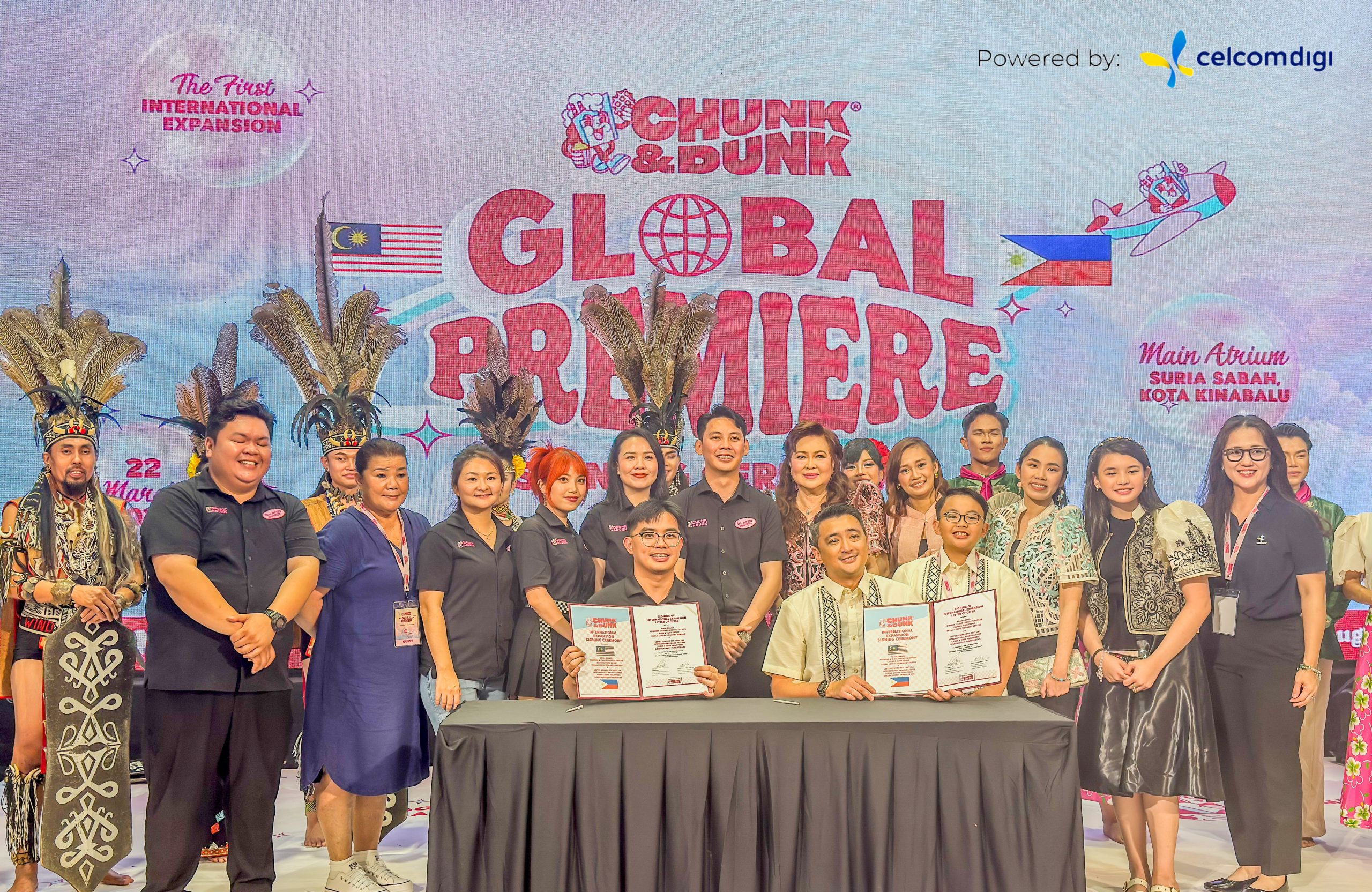
Established in 2024 in Sabah, Chunk & Dunk expanded into Sarawak waters last December, and soon after internationally in the Philippines. For the founder, this achievement is not done by him alone, but also by the backbone, the employees of the brand.

“From my experience building the brand, one of the biggest mindset shifts entrepreneurs need to make is learning to let go and trust others. Many founders naturally want to stay involved in every aspect of the business because they care deeply about maintaining quality and standards,” he said.
Sharing from his past experiences, Adam recalled going through the journey of being involved in every aspect. However, he soon realised that it was not feasible if scaling the brand was in the picture.
“Over time, I realised that scaling requires the ability to delegate, empower people and create systems that can operate consistently beyond the founder alone. Ultimately, sustainable growth happens when a business becomes scalable, repeatable and capable of running effectively as a team, not just through the founder’s personal involvement,” Adam added.
Chiming in on the sentiment, CelcomDigi Acting Chief Enterprise Business Officer Alex Foo said that for many Small and Medium Enterprises (SMEs), the missing piece is not access to technology or funding.
“For many SMEs, the challenge is not a lack of technology, but knowing where to begin, how to prioritise investments and how to adopt digitalisation in a phased and practical manner that aligns with their stage of growth.”
He added that startups often need clarity, confidence and the right ecosystem support to move forward with purpose.
From hustle to systems
For many entrepreneurs, they are accustomed to making decisions, solving problems and overseeing operations personally because they understand the business better than anyone else. However, as businesses expand, the hands-on approach can become a bottleneck.
When building a strong team, Adam opined that continuous leadership, communication and alignment around shared values and standards are important.
“As the business grows, you also learn that every team brings different strengths, perspectives and working styles. A big part of scaling successfully is creating a culture where people feel empowered, supported and united behind the same vision,” said the Sabahan.
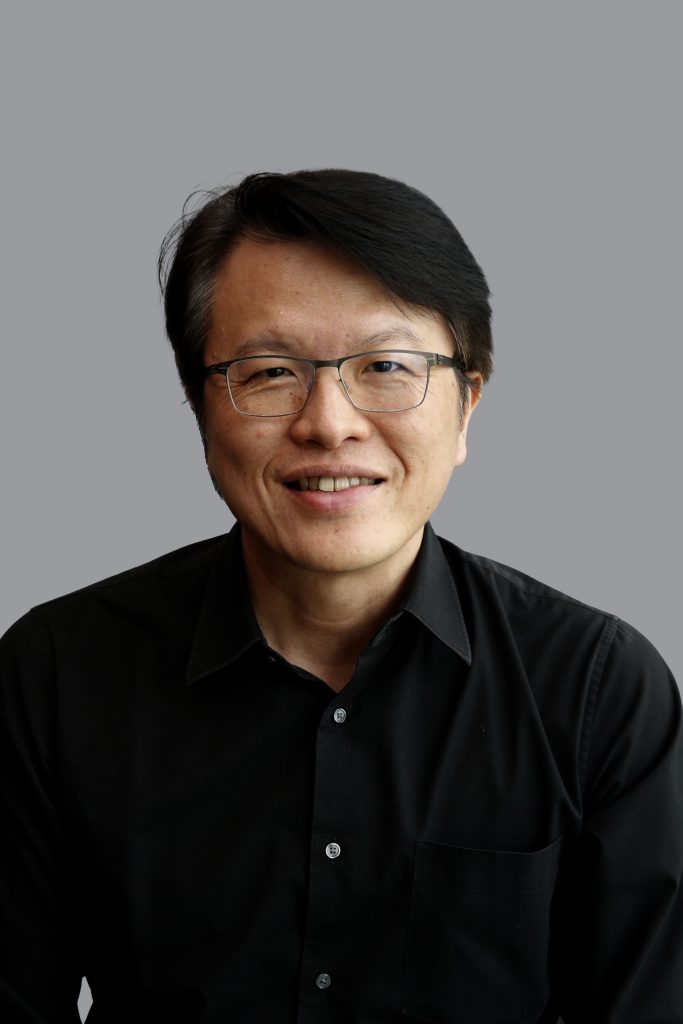
Meanwhile, CelcomDigi’s Foo observed a similar pattern among SMEs nationwide. While many businesses are eager to grow, operational readiness does not always keep pace with expansion plans.
He noted that many SMEs still lack full visibility into which parts of their operations can be digitised, resulting in businesses responding to challenges only after they emerge rather than proactively preparing for growth.
“As businesses grow, areas such as inventory management, fulfilment, workforce planning, customer service and response times become increasingly critical. Without the right operational capabilities in place, growth can quickly become difficult to sustain,” said Foo.
He also gave an example of a blind spot that is often seen, which shows that SMEs underestimate how operational systems directly impact team capability and delegation.
“When businesses have unified visibility into operations through digital tools, leaders are better equipped with the confidence and insights needed to empower teams and scale decision-making effectively.”
To address this, CelcomDigi Business introduced its CoAI framework, which helps businesses adopt digital capabilities progressively. The framework encourages businesses to first strengthen their connectivity foundations, then automate repetitive processes before eventually leveraging data and digital tools to make more intelligent decisions.
For Foo, technology alone is not the answer. Rather, it serves as an enabler that allows business owners to build stronger systems, delegate more effectively and create an environment where teams can take greater ownership.
Ultimately, both leaders agree that growth is not simply about working harder. It is about creating structures, processes and teams that can support the business long after the founder steps away from the day-to-day running of operations.
Beyond expansion
Growth is eventually the goal for many entrepreneurs. And while many SMEs look at regional expansion as an important aspiration, the definition of growth has become increasingly diverse.
For some, growth also means entering new markets, while for others it could involve improving operational efficiency, strengthening customer loyalty, enhancing profitability, or building a more resilient and sustainable business model.
Foo said that, by observing workshops such as CelcomDigi’s MY5G SME Digital series, there is a growing emphasis on quality growth rather than simply rapid growth.
“This is a positive shift, as it reflects a more strategic and long-term approach to business sustainability. Today, success is not measured solely by size or expansion. It is equally about building stronger, more future-ready businesses that can adapt and thrive in a changing environment.”
However, for Adam, maintaining consistency across different markets can be an underestimated challenge. To him, consistency is not just about product quality and taste, but also about overall customer experience, operational standards and brand identity.
“Entering a new market can be exciting, but sustaining the same level of experience customers expect from the brand across different countries requires strong systems, disciplined execution and continuous alignment across teams,” said Adam.
Ultimately, both perspectives converge on a simple but difficult truth for many SMEs: growth is not defined by how fast a business expands, but by how well it can function without constant intervention from its founder.
Whether through stronger leadership, more capable teams or progressively smarter use of digital tools, the shift is the same — from effort-driven operations to system-driven organisations.
As MSME Day highlights the role of small and medium enterprises in driving economic progress, the real question for many founders is no longer whether they can grow, but whether their businesses are designed to grow beyond them.