KUCHING: A young Sarawakian’s journey from the city to the aerospace corridors of the United States is emerging as a symbol of the talent needed to realise Sarawak’s ambition of launching its own satellite by 2030.
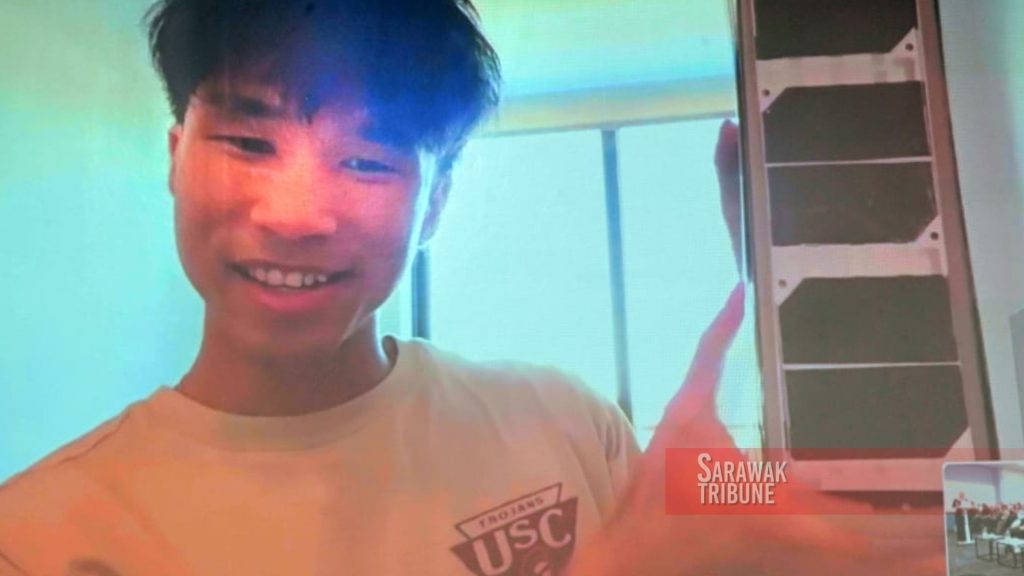
Currently pursuing Astronautical Engineering at the University of Southern California (USC) in Los Angeles, 25-year-old Irfan Annuar’s academic journey closely mirrors the vision championed by Premier Datuk Patinggi Tan Sri Abang Johari Tun Openg to position the state as a future player in the aerospace and satellite industry.
His father, Deputy Minister for Education, Innovation and Talent Development, Datuk Dr. Annuar Rapa’ee, described the emergence of young Sarawakians like Irfan as proof that local talent can contribute meaningfully to the state’s long-term technological aspirations.
“We need to inspire more young people to venture into aerospace and satellite technology. It is still a niche field, not only in Malaysia but especially in Sarawak.
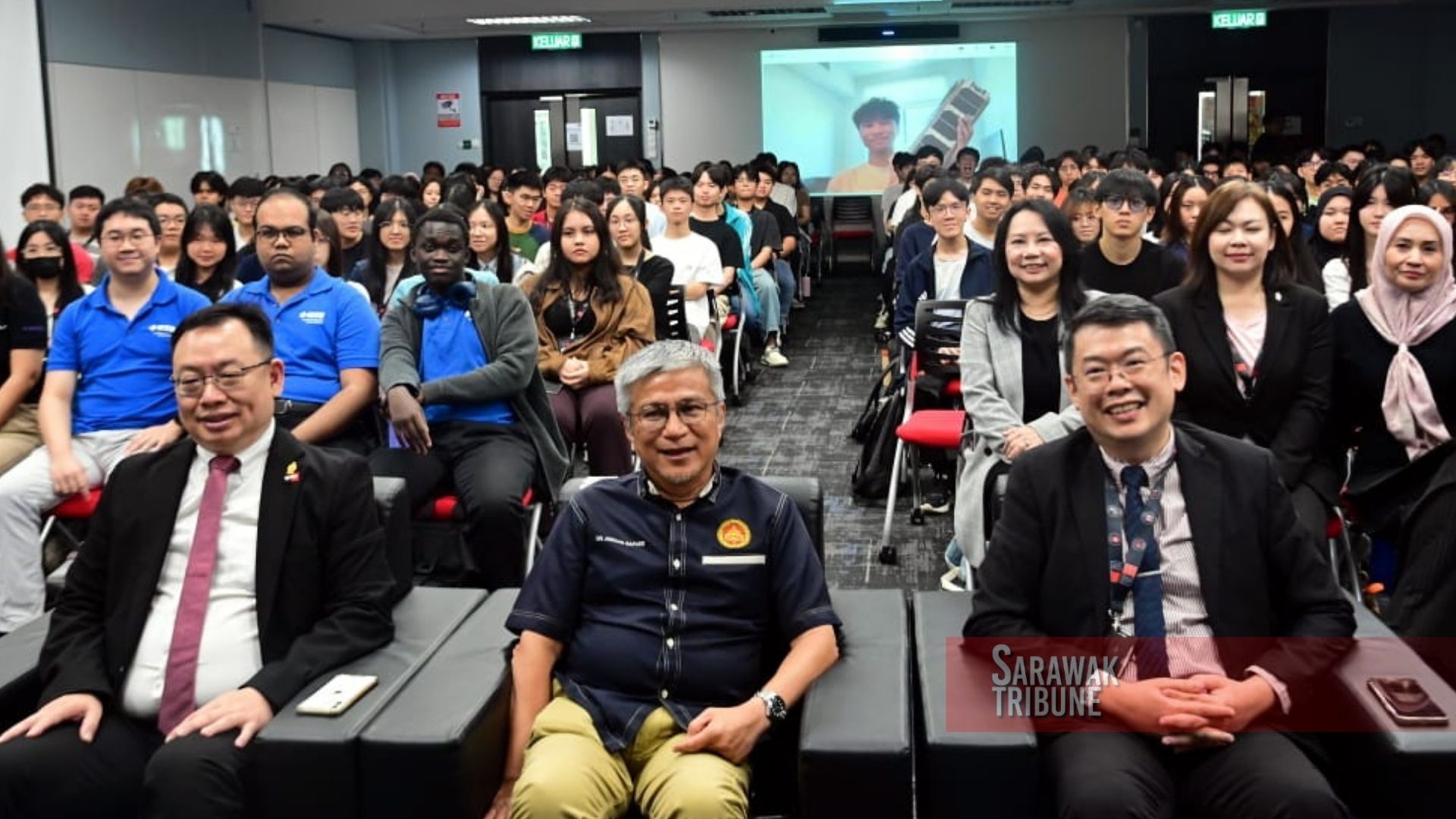
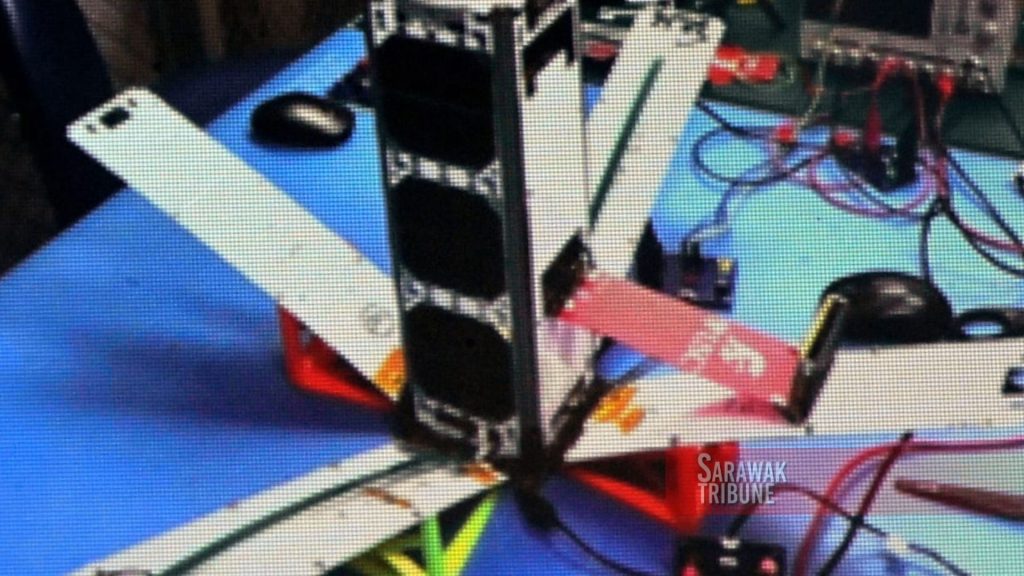
“If we are serious about building our own satellite ecosystem, we must start by developing our human capital today,” he said to reporters after the Live Interview: Sarawakian’s Involvement in a Nanosatellite Project in California, USA, and Sarawak’s Aerospace Industry Development Aspirations at Swinburne University of Technology Sarawak here, Tuesday.
According to Dr Annuar, satellite development requires expertise across multiple disciplines, including electrical and electronic engineering, software engineering, computer science, robotics, mechatronics, imaging technology and data analytics.
“Building a satellite is never a one-man effort. Every component requires specialists from different fields. Universities across Sarawak can all contribute by producing graduates with these skills,” he said.
He expressed confidence that institutions such as i-CATS University College, which has established an aerospace engineering programme, together with universities including Swinburne University of Technology Sarawak, will play an important role in producing the skilled workforce needed to support Sarawak’s aerospace ambitions.
Dr Annuar also revealed that Irfan will be returning from the United States this month, and he hopes to arrange a series of talks at universities throughout Sarawak.
“I want him to share his experiences with our engineering students. Young people are inspired when they hear from someone who has walked the path themselves. Hopefully, more Sarawakians will consider aerospace engineering as a future career,” he said.
Reflecting on his son’s academic journey, Dr Annuar said Irfan’s academic journey was never planned around Sarawak’s satellite aspirations.
Dr Annuar recalled that after completing his secondary education, Irfan insisted on continuing his studies in the United Kingdom at the age of 16 before pursuing his undergraduate degree.
When he struggled to secure employment thereafter, he encouraged his son to continue with postgraduate studies.
Unknown to him, Irfan had applied to several universities overseas.
“One day he simply texted me to say he had been accepted into the University of Southern California to study Astronautical Engineering. I was completely surprised,” he said.
Initially, Dr Annuar admitted he was uncertain about the career prospects in such a specialised field.
“At first, I wondered whether there would be opportunities for him back home. But today, with Sarawak’s vision to develop its own satellite capabilities, everything suddenly makes sense.”
He stressed that he had never dictated what career his children should pursue.
“My father wanted me to become a doctor, but I never imposed career choices on my own children. Young people today often know what they want to do. Give them the freedom to pursue their passion, and they will excel,” he said.
Dr Annuar also dismissed speculation that Irfan had influenced the Premier’s decision to pursue the CubeSat initiative.
He clarified that the Premier’s vision was developed independently and long before Irfan’s involvement.
“The idea did not come from Irfan. The Premier already had that vision. It simply shows how forward-looking Sarawak’s leadership is in embracing future technologies,” added.
As Sarawak moves towards its target of launching its first satellite by 2030, Dr Annuar believes developing local expertise will be just as important as investing in infrastructure.
For him, Irfan’s journey is an example of how Sarawakian talent can help shape the state’s future in the global aerospace industry.
“If one young Sarawakian can reach this level, many more can follow. What we need now is to inspire them, equip them with the right skills, and let them dream beyond what they think is possible.”
The story, he added, is not just about one student’s achievement, but about building the next generation of Sarawakian engineers who will one day contribute to making the state’s satellite aspirations a reality.
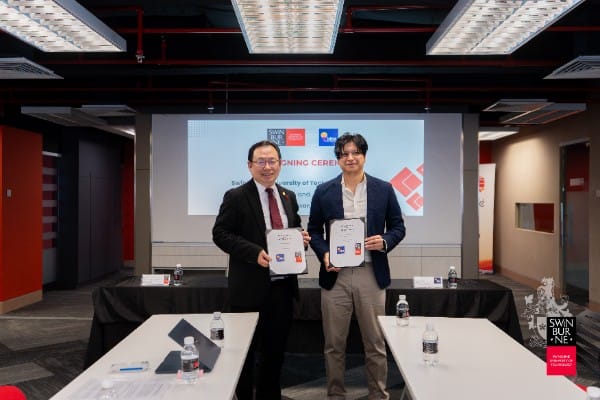
Meanwhile, Swinburne University of Technology chief executive officer, Ir Professor Lau Hieng Ho reaffirmed the university’s commitment to supporting Sarawak’s growing aerospace and satellite industry by producing graduates equipped with the multidisciplinary skills required by the sector.
He said aerospace is not confined to a single discipline, but relies on collaboration across engineering, computing and emerging technologies.
“The aerospace and satellite industry is fundamentally a multidisciplinary endeavour. It is not built by aerospace engineers alone. It requires expertise from electrical and electronic engineering, mechanical engineering, software engineering, robotics, mechatronics, sensors and many other disciplines working together as one team,” he said.
He added, at the university, they already offer strong programmes in Electrical and Electronic Engineering, Robotics and Mechatronics, Software Engineering and related fields.
“These are exactly the capabilities required to develop the future aerospace and satellite workforce. As Sarawak progresses towards its satellite ambitions, our role is to equip students with the knowledge, technical expertise and collaborative skills needed to contribute to this growing industry,” he said.