By Linda Khoo
KUALA LUMPUR: The Philippines said concluding an effective and substantive South China Sea Code of Conduct (COC) has become increasingly urgent as tensions and risky incidents continue despite periods of relative calm.
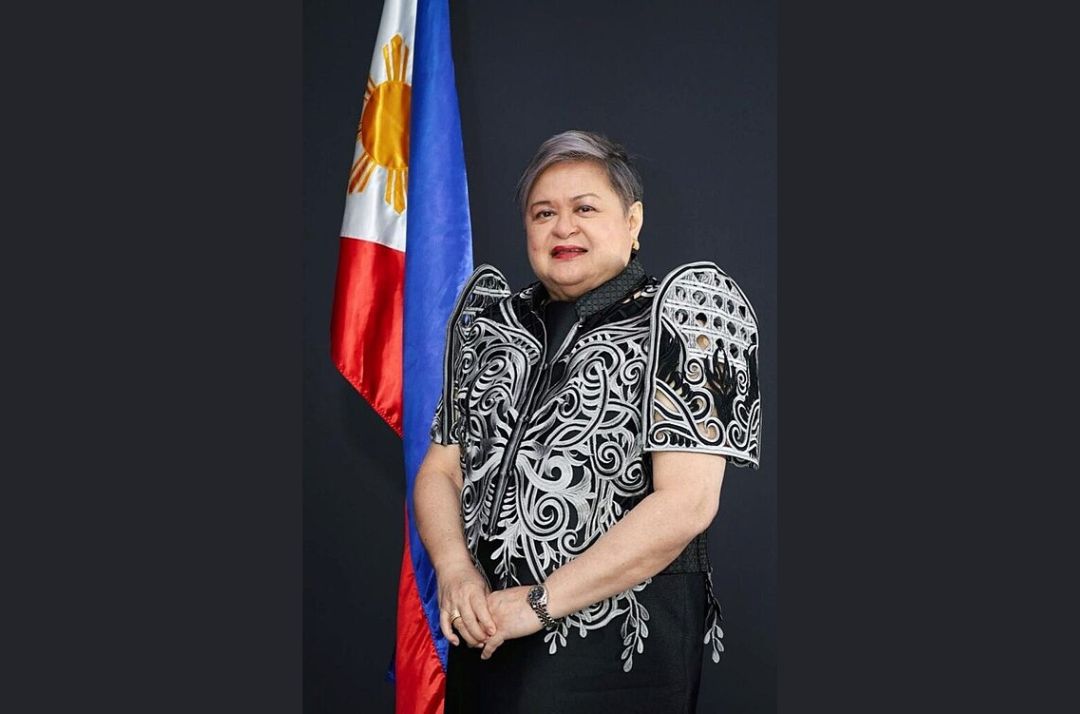
Foreign Affairs Secretary, Maria Theresa P. Lazaro, said the Philippines, as ASEAN Chair in 2026, remained concerned about coercive actions at sea, including dangerous manoeuvres, harassment of fisherfolk, the use of fire-control radar, and other actions that increased the risk of escalation and threatened lives and regional stability.
“The COC is seen as an important mechanism to manage tensions, build confidence, and ensure that the South China Sea remains an area of peace, stability, and prosperity,” she told BERNAMA in a written interview.
Asked about the biggest obstacles to reaching an agreement, Lazaro said the key challenge was ensuring that the COC was truly “effective and substantive”.
“At the same time, the Philippines believes diplomacy and constructive engagement must continue, including through ASEAN-led mechanisms, practical cooperation and candid dialogue, as these remain essential to achieving meaningful progress towards the COC’s conclusion within the year,” she said.
ASEAN aims to conclude a substantive and effective COC by the end of 2026, incorporating legally binding mechanisms to enhance confidence-building and facilitate the peaceful management of disputes in the South China Sea.
Since early this year, ASEAN and China have stepped up efforts to finalise the long-delayed COC, including through monthly face-to-face technical meetings, as both sides push to meet the 2026 target after years of slow progress. – BERNAMA