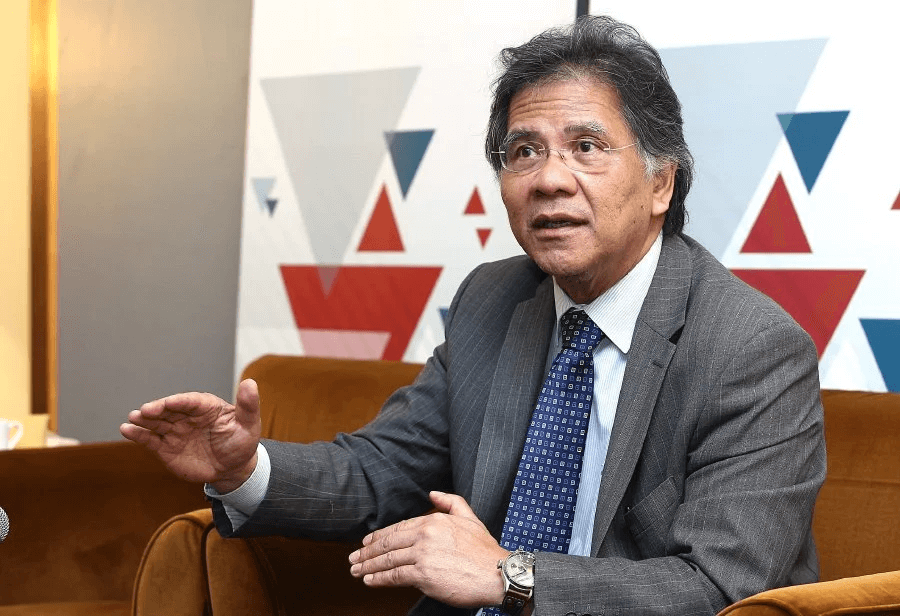
KUCHING: New chief executives should resist the urge to believe they must have all the answers and instead focus on creating organisations capable of solving complex problems together, says former minister in the Prime Minister’s Department Datuk Idris Jala.
The president of PEMANDU Associates said effective leadership is less about providing solutions than creating the conditions for people to adapt, innovate and drive meaningful change.
Sharing lessons as he prepares to hand over the role of Group Chief Executive Officer while remaining as founding chairman, Idris said one of the biggest mistakes new CEOs make is treating every challenge as a technical problem requiring expert solutions.
He said many organisational issues are adaptive challenges that demand changes in behaviour, habits and culture rather than technical expertise.
“Technical problems can be solved by experts, but adaptive challenges require people within the organisation to change the way they think and work.
“Leadership is about mobilising people to confront the challenges they would rather avoid and allowing them to do the work that only they can do,” he said in a recent podcast. Idris said CEOs must also develop the discipline of “getting on the balcony” — stepping back from daily operations to see the organisation more objectively.
“When leaders are constantly on the dance floor, they become consumed by daily activities and lose sight of the bigger picture. “Stepping onto the balcony allows leaders to observe patterns, understand organisational dynamics and identify the real issues confronting the business,” he said.
Instead of rushing to provide answers, leaders should bring people together to diagnose problems collectively, he added.
He also said leaders must maintain what adaptive leadership theory calls the “productive zone of disequilibrium” by creating enough pressure to encourage change without overwhelming employees.
“The leader’s role is to raise the temperature enough to encourage change without pushing people to the point where they fight, flee or freeze.
“In leadership, you become the thermostat, not the thermometer.
You set the temperature instead of merely reacting to it,” he said.
Idris urged incoming CEOs to embrace vulnerability, saying leaders who admit uncertainty build trust and encourage collaboration.
On succession, he said new CEOs should not try to imitate their predecessors but lead according to their own strengths while preserving the organisation’s core values.