KUCHING: Public trust in the media has become increasingly fragile in the digital era, with mainstream media now required to earn credibility through consistent, transparent and accurate reporting rather than relying on institutional reputation alone.
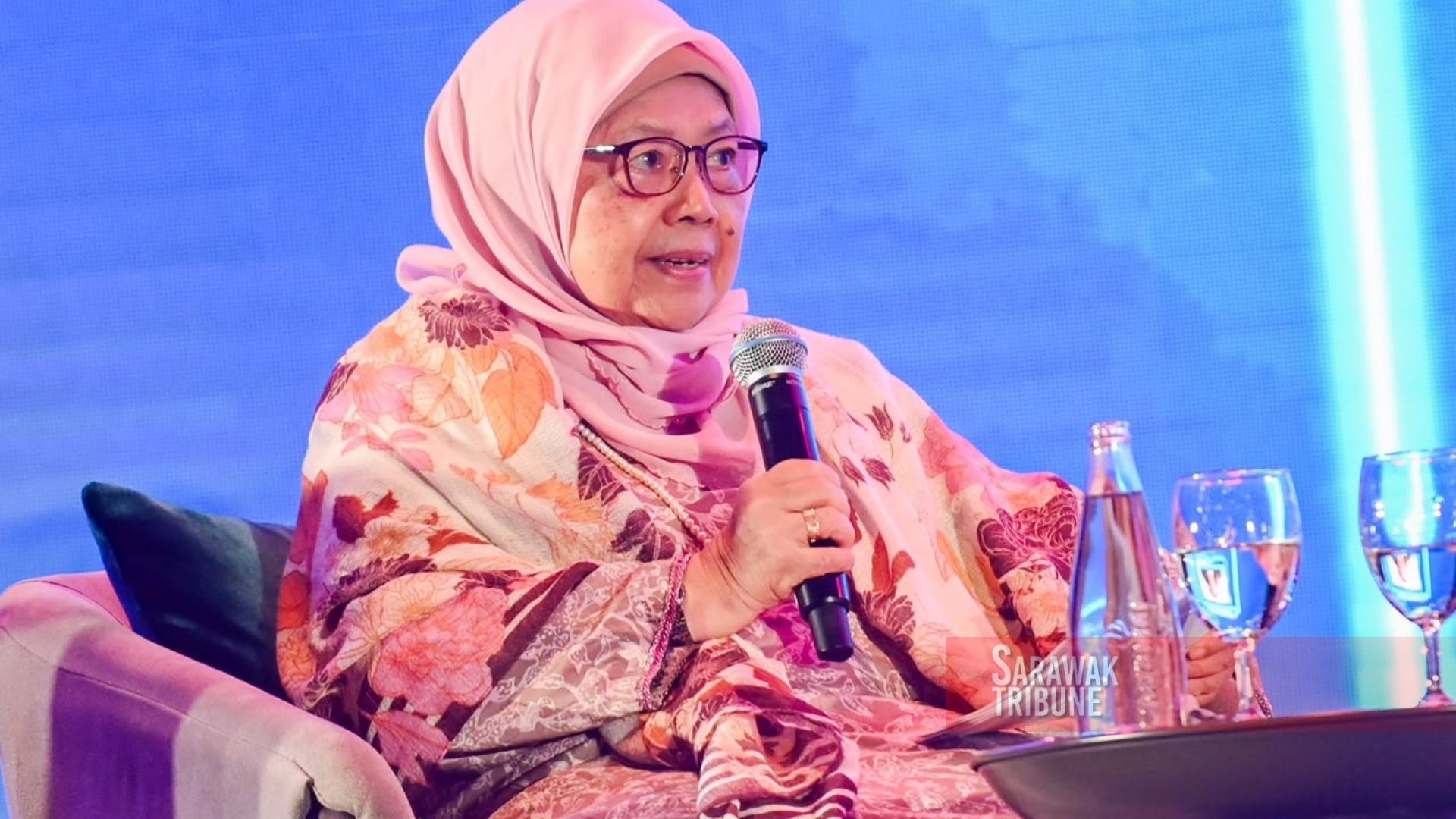
Sarawak Media Group Sdn Bhd’s Chairman, Datuk Norhyati Mohd Ismail, said trust in traditional media has declined globally as audiences increasingly turn to social media platforms, independent content creators and peers for information.
“Two decades ago, newspapers and broadcast media enjoyed high levels of public confidence, with audiences generally accepting information published by established media organisations. People used to look up to institutions and authority.
“Nowadays, trust has become decentralised, and people question everything, even when it comes from established media,” she said during a panellist session at the Sarawak Media Conference (SMeC) 2026 at Pullman Kuching this afternoon.
The session’s topic was ‘Media’s Role in an Era of Information Complexity: Trust, Truth and Timeless’.
Norhyati added that misinformation and the rapid growth of digital platforms have made trust more difficult to build and easier to lose, with audiences increasingly placing confidence in individual journalists and personalities rather than media organisations themselves.
Furthermore, mainstream media must continue serving as the anchor of verification by maintaining high standards of journalism despite the changing media landscape.
For Kupikupi FM Sabah and Sarawak founder, Rita Sim Sai Hoon, she said society is living in an era of abundant information but limited understanding, making the media’s role more critical than ever.
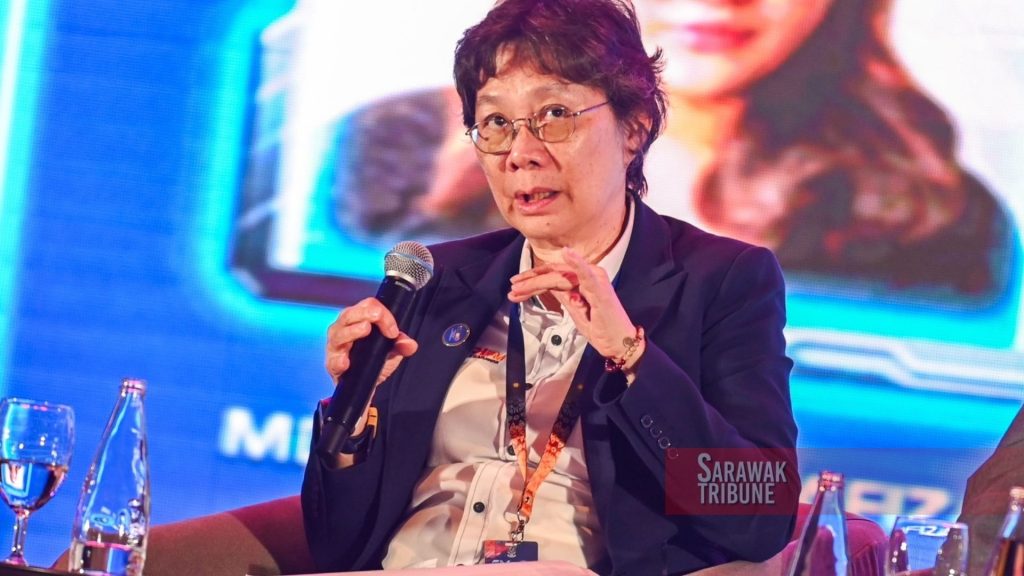
“The public trust today is measured not only by factual accuracy but also by whether audiences believe media organisations are acting in the public’s best interest.
“Twenty years ago, trust was institutionalised. It was granted because of the reputation and legacy of newspapers and broadcasters. Today, trust is earned story by story,” she said.
For example, she added, members of the public would often hand over lost wallets and belongings to media organisations to help locate their owners, reflecting the high level of public confidence enjoyed by news organisations at the time.
She said audiences today are more likely to question whether information is accurate, why a story is being published, and whether it serves the public interest or commercial objectives.
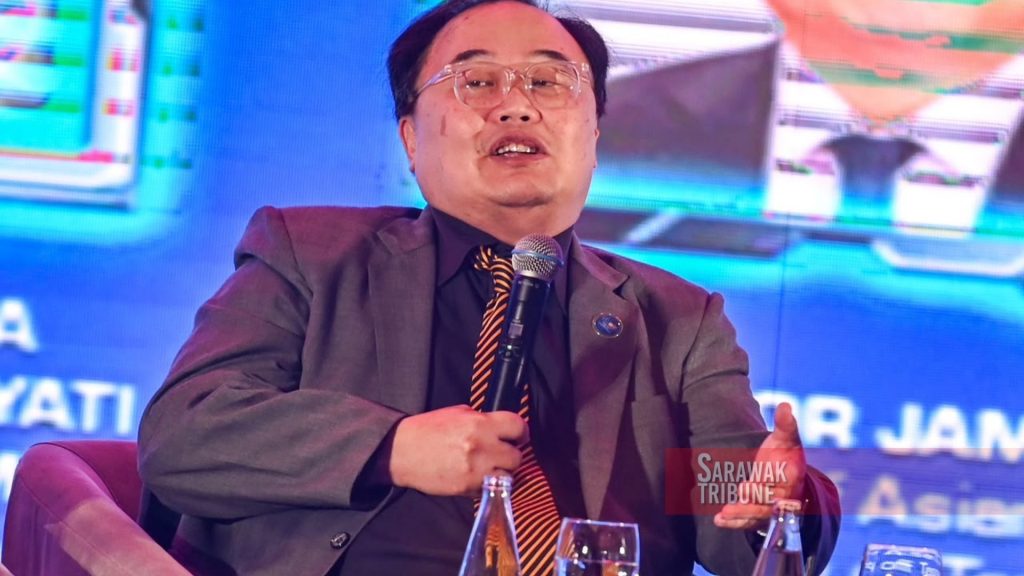
Meanwhile, Prof. James Chin of University of Tasmania said mainstream media could rebuild public confidence by creating what he described as a circle of trust.
“It requires consistent unbiased reporting, leadership with integrity, competent journalism, and a commitment to serving the public interest.
“Thus, it is important to be transparent and for information to be verified particularly as audiences can now instantly cross-check information using artificial intelligence (AI) and other online tools,” said Chin.
He advised journalists to avoid publishing information they could not verify, warning that factual errors could severely damage a media organisation’s reputation.
“We are operating in a new environment. The game has shifted, but trust can still be built through consistency, transparency and accuracy,” he concluded.