KUCHING: Governments should establish clear guidelines and safeguards for the use of artificial intelligence (AI) in journalism as the technology becomes increasingly integrated into news production.
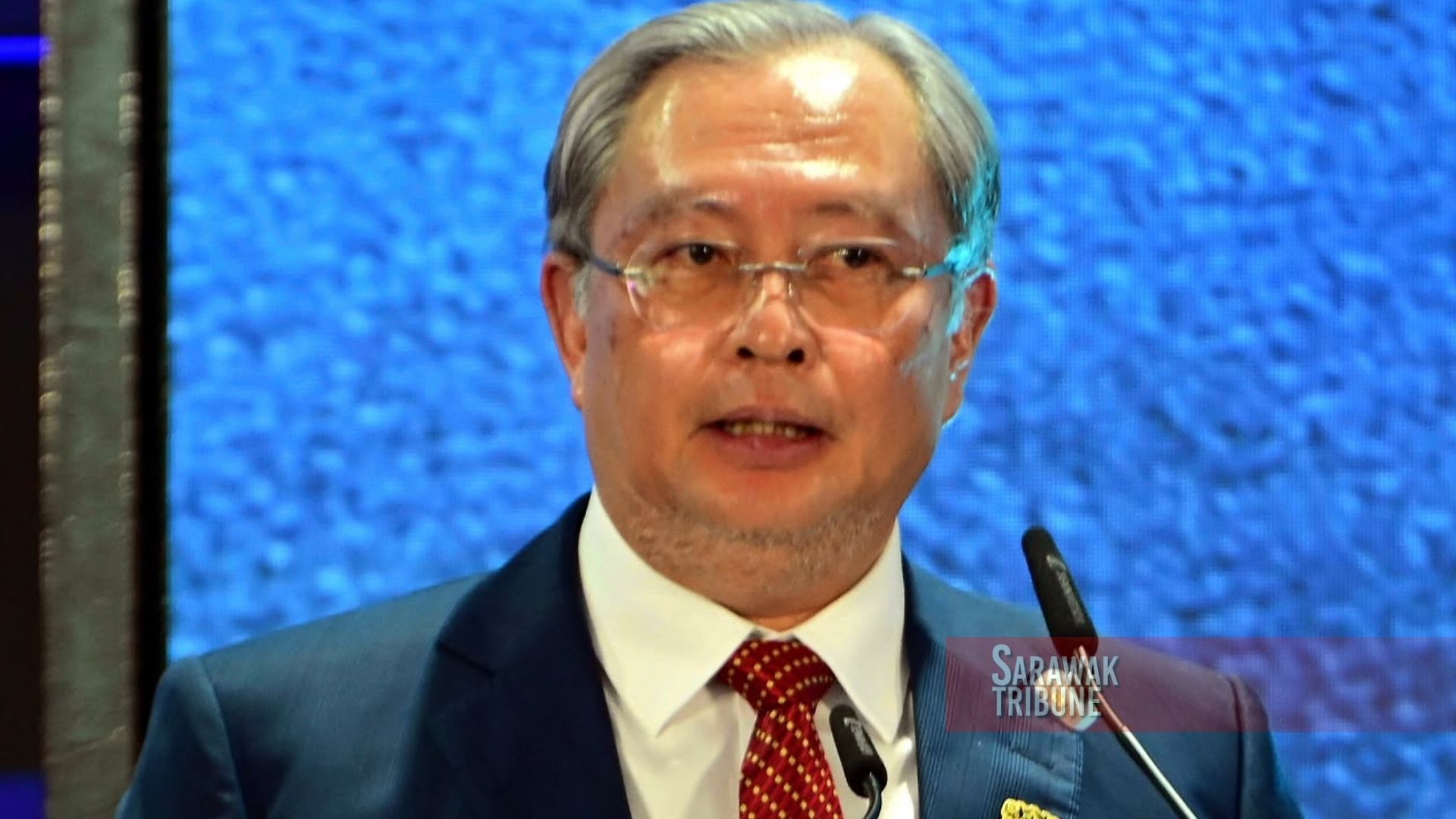
Speaking during a panel discussion at the Sarawak Media Conference (SMeC) 2026, Asian Studies professor at the University of Tasmania, Prof. James Chin, said AI adoption in the media industry is inevitable, but proper oversight is needed to ensure the technology is used responsibly without compromising journalistic integrity.
“Governments have a role in helping establish standards for AI usage, particularly as news organisations face challenges in determining appropriate boundaries due to differing practices and ethical standards.
“They actually need to set the standards. You cannot run away from this issue, but there must be some clear guardrails, whether you like it or not,” he said during the panel session at Pullman Kuching this afternoon.
He stressed that while AI can assist journalists in improving their work, it must not replace human judgement and editorial responsibility.
“If you allow AI to overwrite human oversight, then you are no better than fake news. You are basically producing both sides of the coin,” he said.
Sarawak Media Group Sdn Bhd’s Chairman, Datuk Norhyati Mohd Ismail, also urged media organisations, including smaller newsrooms, to develop clear AI policies and invest in training programmes to ensure journalists understand the technology and its limitations.
She said credible media outlets should be transparent with audiences whenever AI is used in news production.
“Even though you use AI to improve your story, you must never remove human oversight. Journalism is one of those industries where AI must never be allowed to replace human oversight,” she said.
She added that AI-generated news presenters and automated content production could become more common as media organisations seek cost-effective solutions.
However, she stressed that the use of AI in journalism must be handled carefully, particularly for major news programmes where human interaction, judgement and accountability remain essential.
“It may be suitable for certain programmes, but audiences must be informed whenever such technology is used.
“It is important to tell the people that we are using AI. Transparency is very important to help audiences understand and accept the reality of what is coming,” she said.
Kupi-Kupi FM Sabah and Sarawak’s founder, Rita Sim Sai Hoon, added that clear boundaries must be established when applying AI in newsrooms.
She said AI could support journalists in areas such as research and improving workflows, but editorial decisions involving judgement, ethics and accountability must remain with humans.
“AI should never be used to make editorial decisions. Ethical judgement and accountability must still come from the editorial team,” she said.