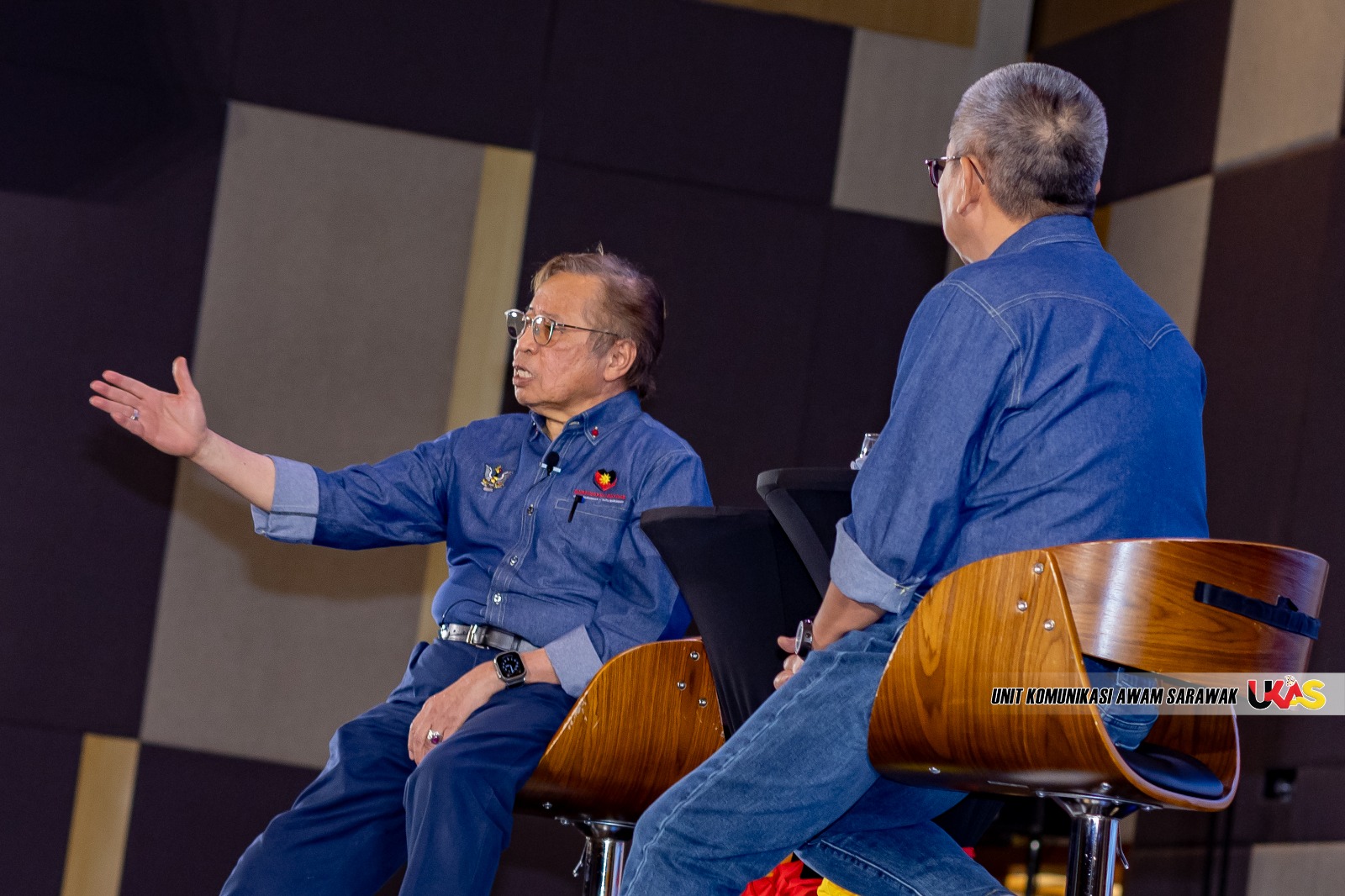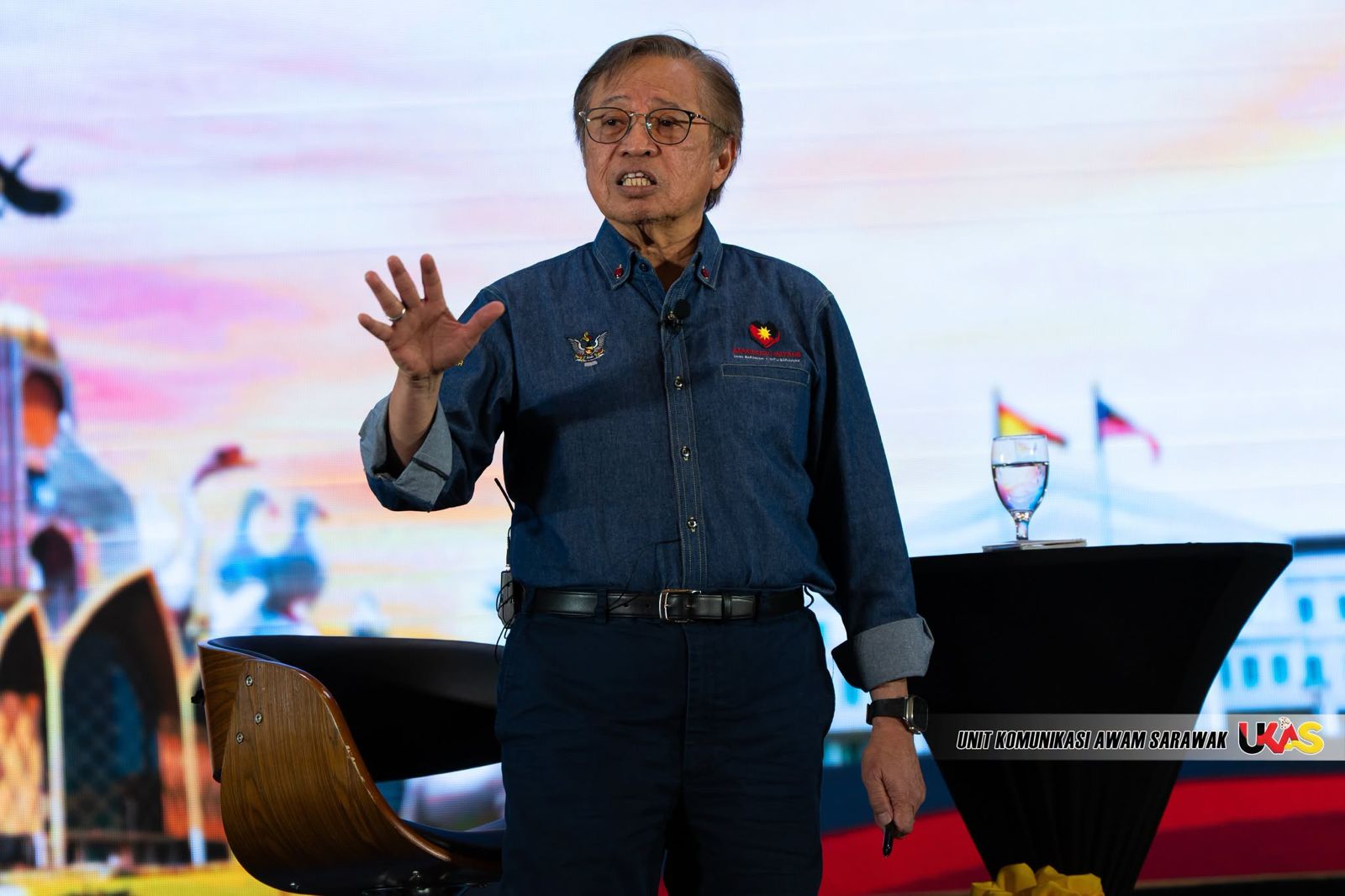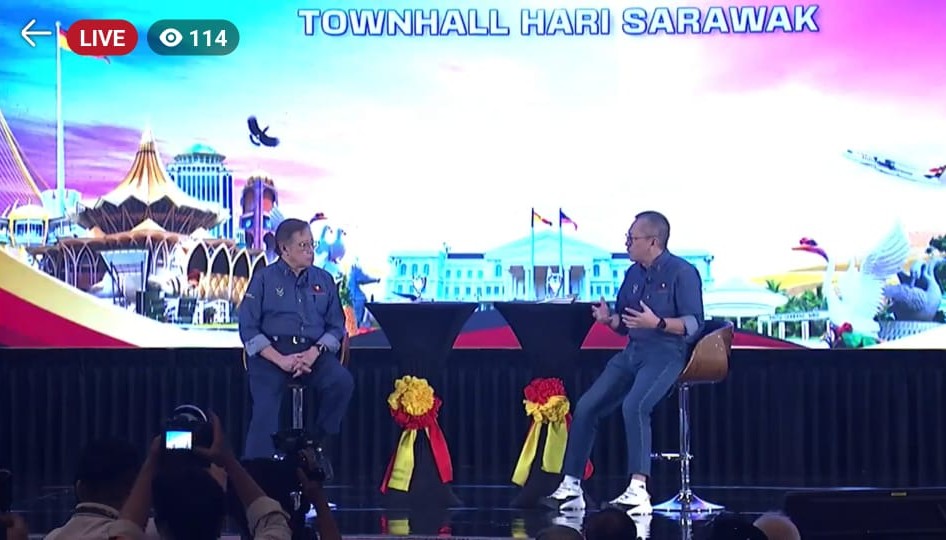
SIBU: The Post-Covid Development Strategy (PCDS) 2030 has become the driving force behind Sarawak’s transformation, steering major developments in infrastructure, education, welfare and economic growth since its introduction in 2021.
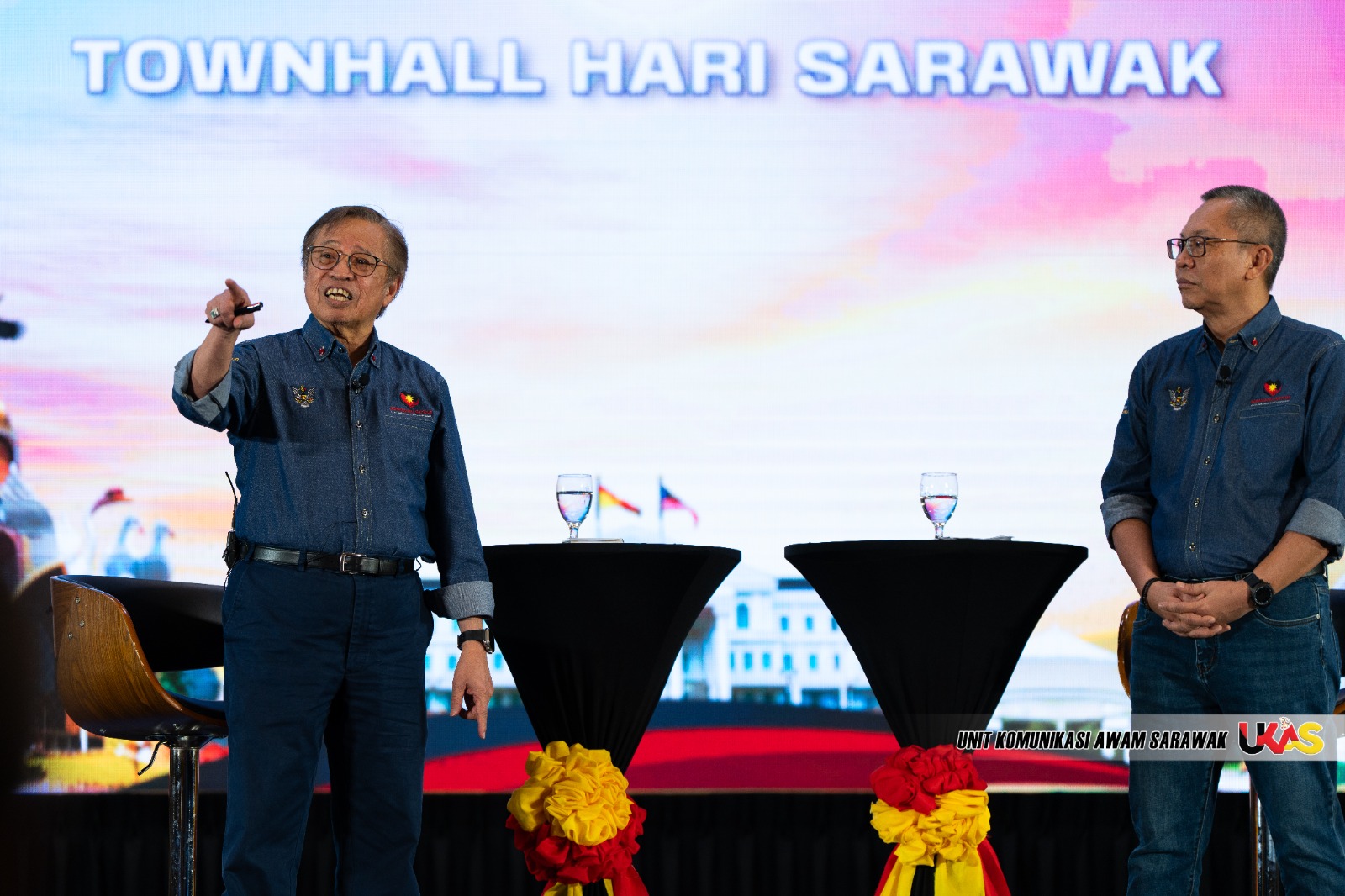
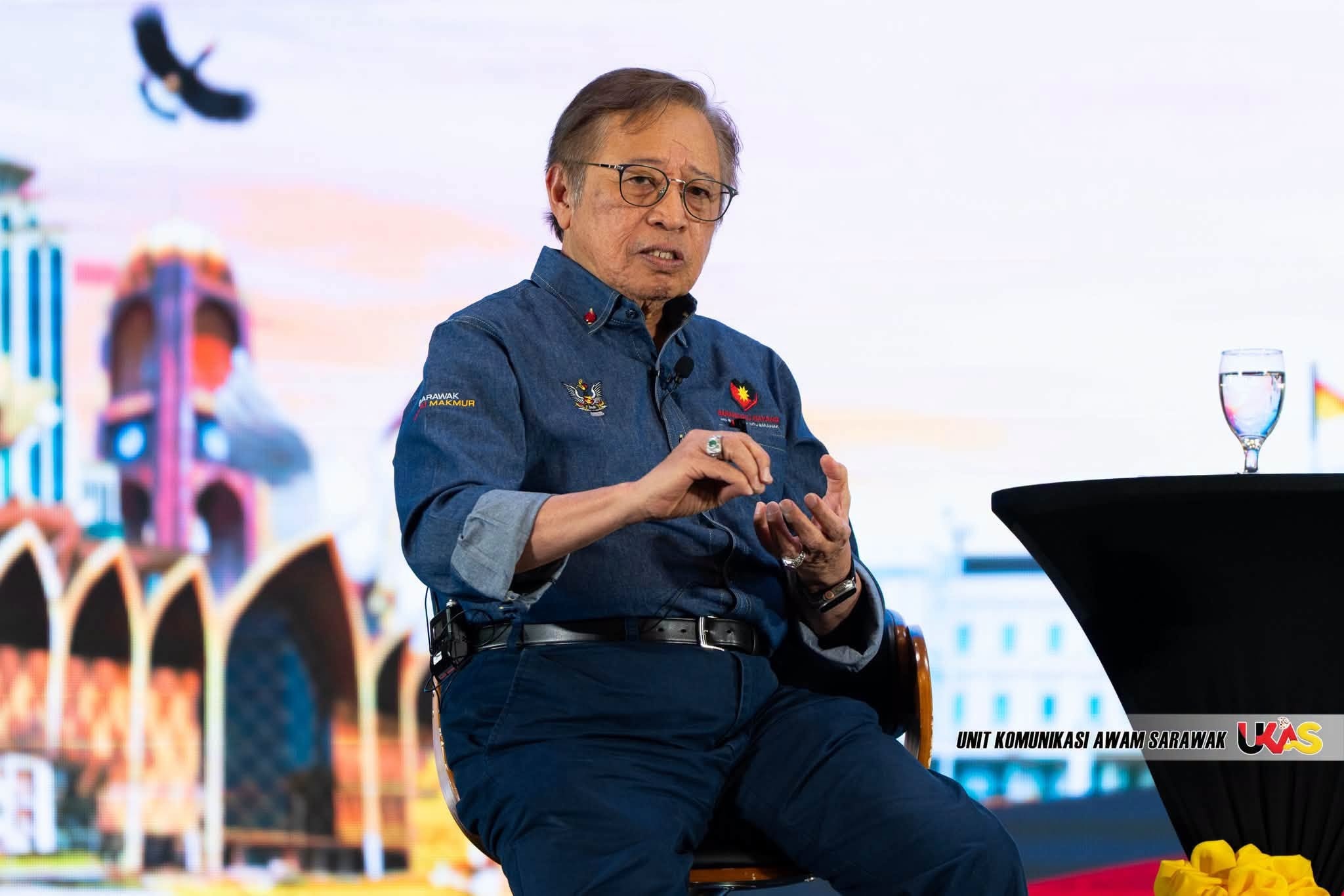
Speaking during the Sarawak Day Town Hall today (July 22), Premier Datuk Patinggi Tan Sri Abang Johari Tun Openg said the long-term development blueprint serves as the foundation for the state government’s policies and initiatives, with more than 140 programmes either completed, being implemented or in the pipeline.
“The PCDS, introduced in 2021, forms the foundation of everything we are doing today. There are more than 140 government initiatives under the PCDS—some have been successfully completed, some are ongoing, while others are yet to be implemented,” he said.
Among the key initiatives, Abang Johari highlighted the introduction of the State Sales Tax (SST), the Digital Economy Blueprint, carbon and green economy initiatives, the development of the semiconductor industry, Petros, DEBOSS, the acquisition of Affin Bank and Sarawak Petroleum (SP) initiatives.
He said the strategy has also strengthened Sarawak’s financial position through revenue re-engineering and alternative funding sources while safeguarding the state’s rights and interests.
The Premier pointed to the successful reclamation of strategic assets, including Bakun and Bintulu Port, as well as the establishment of Petros, which has grown into a revenue-generating state oil and gas company.
He added that the state had also secured greater administrative autonomy, including empowering the Public Works Department (PWD) to manage its own affairs, while continuing efforts to strengthen Sarawak’s constitutional position.
On infrastructure, Abang Johari said the state government remains committed to improving connectivity through major projects and regional development agencies to stimulate economic growth, particularly in rural areas.
He cited the Batang Lupar 1 Bridge, the longest river-crossing bridge in Malaysia, and the Batang Lasa Bridge, the state’s second-longest, as examples of transformative projects that will enhance accessibility and create new economic opportunities.
Beyond infrastructure, he said the state government is equally focused on developing sustainable towns and improving the quality of life for future generations.
Using Kapit as an example, Abang Johari said a team had been sent to study Bergen in Norway to explore environmentally friendly urban planning ideas that could be adapted to Sarawak.
“Our vision is not only to build infrastructure but also to create sustainable communities that will benefit future generations,” he said.