KUCHING: More of the economic benefits generated from Sarawak’s oil and gas (O&G) resources should remain within the state to create jobs, business opportunities, and investments for Sarawakians.
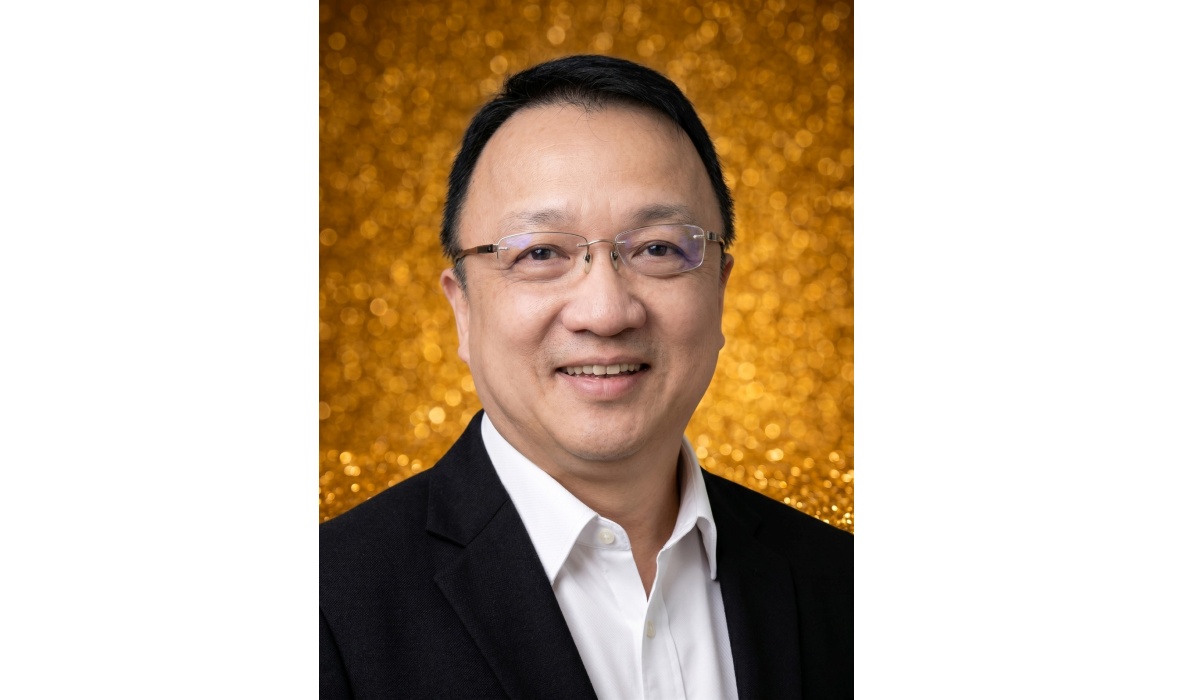
Sarawak Business Federation’s (SBF) President, Datuk Jonathan Chai Voon Tok, said onshore oil production at the Adong Kechil West (AKW) field by Petroleum Sarawak Berhad (PETROS) marked more than a technical achievement, affirming Sarawak’s rightful role in managing and benefiting from its own natural resources.
He said the focus should now shift towards ensuring Sarawak retained a greater share of the value generated from its resources.
“The key issue is not just production, but value capture.
“Sarawak must ensure that a larger share of economic benefits, including jobs, contracts, investments and downstream opportunities, remains within the state,” he told Sarawak Tribune when contacted.
Yesterday (Wed, July 22), Premier Datuk Patinggi Tan Sri Abang Johari Tun Openg announced during the Sarawak Day 2026 assembly that PETROS had recorded Sarawak’s first onshore oil production in more than 50 years, producing about 800 barrels of oil per day from the AKW field near Marudi.
He said production began earlier this week from a single well, with the remaining wells expected to come on stream later.
Chai said the return of onshore oil production after more than five decades sent a strong signal that Sarawak was no longer a passive participant in its O&G sector.
“This development reflects a broader policy direction to strengthen state participation, enhance regulatory oversight, and assert greater stewardship over our energy resources.
“It marks a shift towards a more balanced and equitable energy governance framework,” he said.
He said projects such as AKW should prioritise local content participation by integrating Sarawak-based companies and talent into the supply chain.
He said long-term efforts should also focus on developing downstream industries, including petrochemicals, refining and energy-intensive manufacturing.
“Without such integration, Sarawak risks remaining a resource supplier rather than a value creator,” he added.
Chai noted that PETROS had demonstrated that Sarawakian institutions were capable of operating, managing and leading complex energy projects.
However, he said the momentum should be sustained through clear policy support, particularly in areas such as licensing, aggregation rights, and commercial participation, so that PETROS could continue to scale and anchor Sarawak’s energy ambitions.
Chai also stressed the importance of investing in local human capital to support the state’s growing energy sector.
“The growth of Sarawakian expertise must not be incidental, but intentional, through structured talent pipelines, technical training, and industry partnerships,” he said.
Looking ahead, Chai said Sarawak needed to address several issues decisively, including regulatory clarity and alignment between the federal and state governments to avoid uncertainty that could deter investment.
He said the state must also remain cost competitive in attracting energy investments while balancing hydrocarbon development with its clean energy aspirations.
“These challenges cannot be left to market forces alone. They require clear, consistent and firm policy direction,” he added.
He added that Sarawak had the opportunity to position itself as a regional energy hub by leveraging its vast gas resources while pursuing emerging sectors such as hydrogen and carbon management under the Post COVID-19 Development Strategy (PCDS) 2030.
“The AKW milestone should be seen as a starting point, rather than an endpoint.
“It must catalyse a more comprehensive strategy to deepen industrial linkages, strengthen local enterprises, and ensure that Sarawak’s energy wealth translates into long-term, inclusive prosperity,” he said.