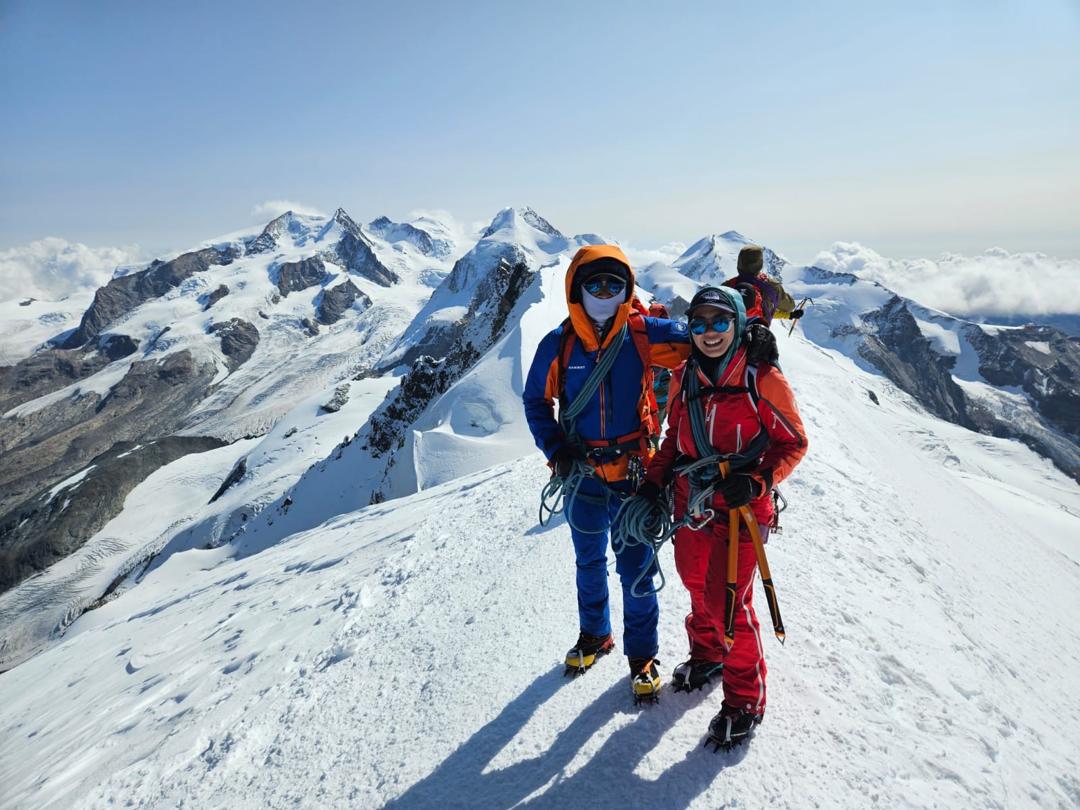
Lois Gwyn Peter and Daryll Ambang Tanjong’s Instagram may show breathtaking mountain views and unforgettable summit moments, but behind the pictures were months of preparation, sleepless nights in freezing temperatures, limited comforts and the challenges of high-altitude climbs.
For the Sarawakian couple, mountaineering is more than chasing famous peaks. It is a journey of embracing challenges, exploring new cultures, strengthening their relationship and creating meaningful memories.
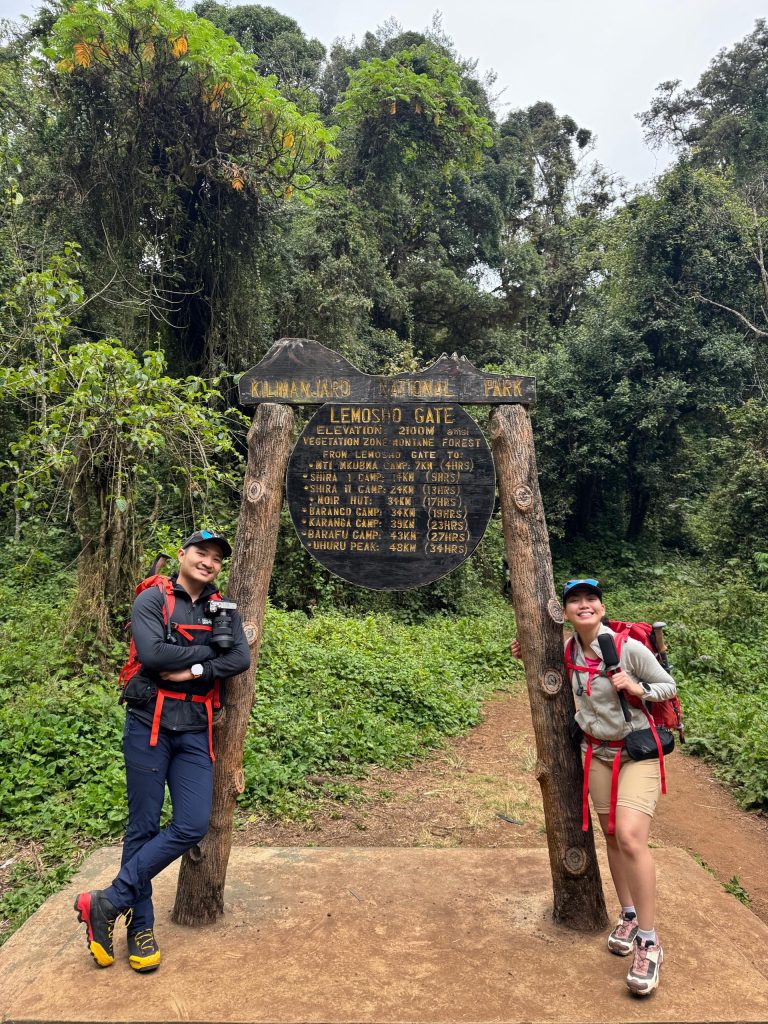
Now 30, Lois and Daryll have turned their love for the outdoors into a lifestyle, with adventures spanning Sarawak’s rainforests, Switzerland’s glaciers, Mount Kilimanjaro in Tanzania, Everest Base Camp in Nepal and their latest climb at Island Peak in the Himalayas.
Yet despite the impressive list of international expeditions, their journey began with something surprisingly simple.
Before Lois left for university, Daryll suggested they visit every national park around Kuching together.
What started as casual weekend adventures gradually evolved into a shared mission to explore as much of Sarawak’s wilderness as possible. Their first major climb was Mount Santubong.
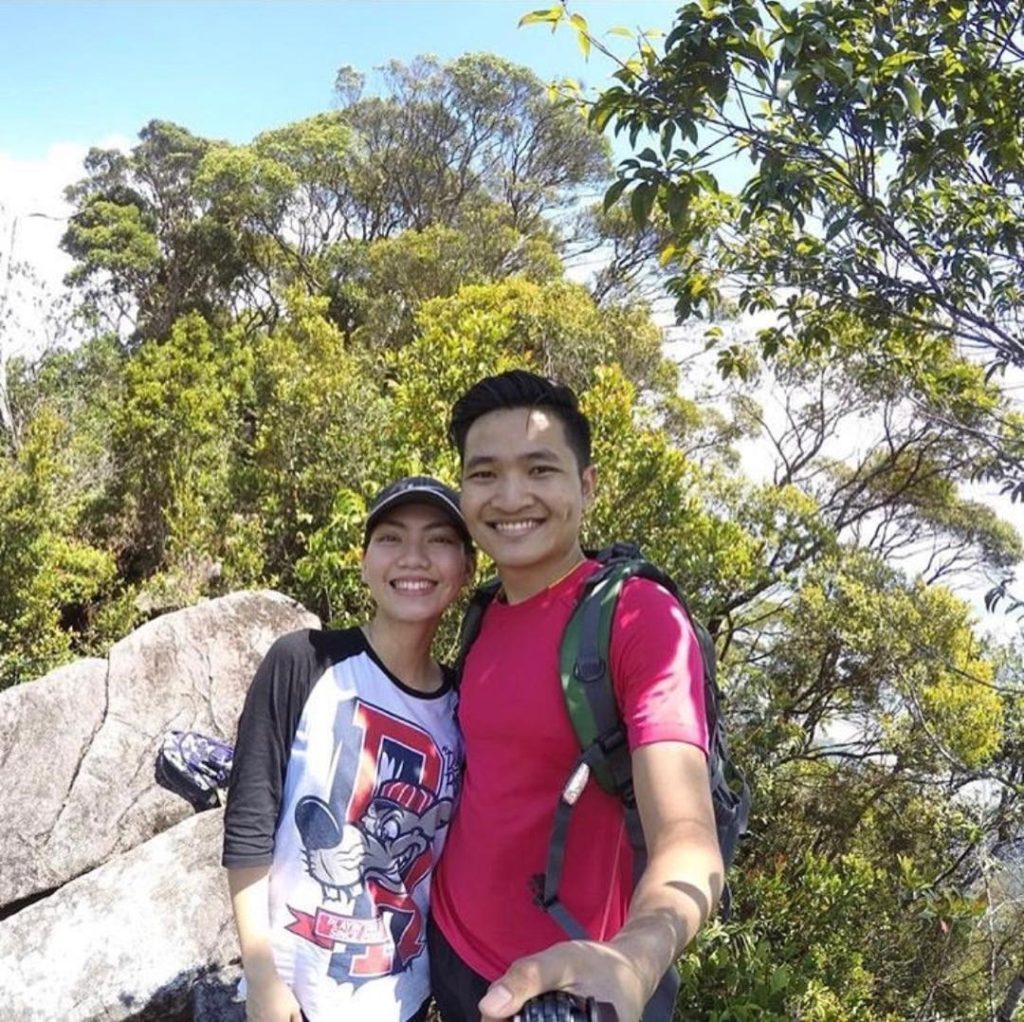
Standing atop the iconic mountain overlooking the South China Sea, they experienced a feeling neither had expected.
“It wasn’t just about reaching the top. It was the feeling afterwards. There’s a sense of satisfaction when you complete a hike or reach a summit. That feeling really hooked us,” Lois recalled.
For Daryll, however, his relationship with nature began much earlier. As a child, weekends often meant following his father into the jungle, where he developed a lifelong appreciation for forests, wildlife and untouched landscapes.
“I just feel at home. It’s difficult to explain, but I feel like that’s where I’m meant to be.”
Since then, they have climbed between 20 and 30 mountains across Sarawak, from Kuching and Lundu to Sematan and Miri.
Even so, they believe they have barely begun exploring what the state has to offer.
“Sarawak still has so many mountains we haven’t climbed. Some are multi-day expeditions that are incredibly challenging,” Daryll said.
Their adventures eventually extended beyond Malaysia, taking them into some of the world’s most spectacular mountain ranges. But with greater ambitions came even greater challenges.
For Lois, nothing compares to their week-long alpine mountaineering course in Switzerland.
Unlike tropical hiking, alpine climbing introduced them to glaciers, crampons, crevasses and freezing temperatures.
To make matters harder, they were complete beginners learning under a famously demanding European mountain instructor.
“We weren’t just beginners. We were absolute noobs, because each day brought a new lesson, followed by another mountain,” Lois said.
After days of intensive training, they climbed three alpine peaks in succession, including Allalinhorn and Breithorn, both standing above 4,000 metres.
Recovery was almost non-existent. They would descend one summit, sleep for only a few hours and begin climbing again the following morning.
“It felt like we were working like dogs. But once you reach the summit, everything changes. It’s magical.”
For Daryll, however, Island Peak in Nepal proved to be the greater test. Unlike Switzerland, where roads lead close to the mountains, Himalayan expeditions demand days of trekking before climbers even reach their objective.
The journey began with a flight into Lukla, widely regarded as one of the world’s most challenging airports, before continuing on foot through the Khumbu region.
The expedition lasted 22 days and by then, the mountain had taken its toll.
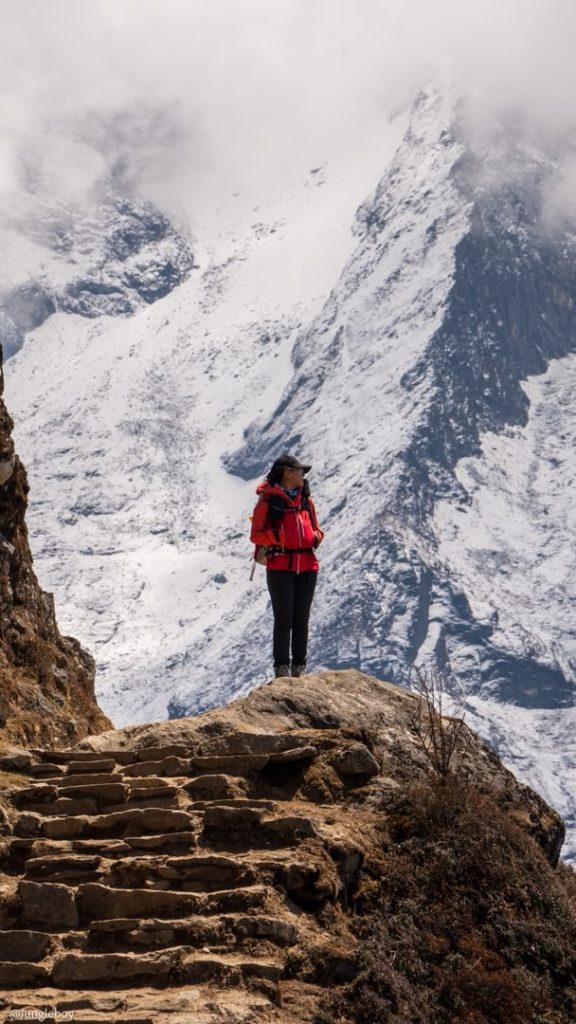
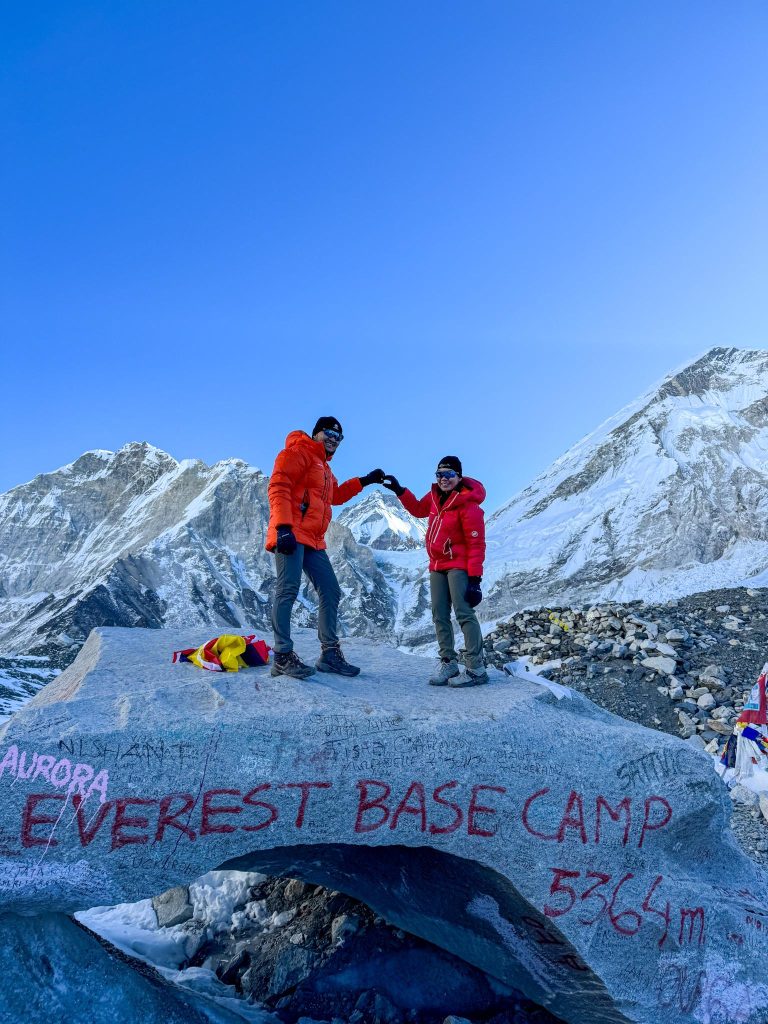
Each day they burned more calories than they could replace. Meals became simpler the higher they climbed, while altitude steadily weakened their bodies.
Daryll had lost 7kg after the expedition. The weight loss was so dramatic that a tailor preparing his best man’s suit for a friend’s wedding thought the measurements had been taken incorrectly.
“I had to explain that I’d just come back from the mountains. The suit had to be altered because I’d lost so much weight.”
Despite the physical punishment, neither remembers the hardship with regret. Instead, they remember the lessons.
One thing that mountaineering has taught them is that resilience is built through persistence rather than strength.
“The mountains teach you you’re stronger than you think. If you need to rest, then rest. If you need to slow down, slow down. But whatever you do, don’t stop,” Lois said.
Darryl added that it was a philosophy that had gradually shaped their lives beyond hiking.
“Whether running businesses together or overcoming personal challenges, we approach problems the same way we approach mountains one step at a time.
“When something feels impossible, we remind ourselves to keep putting one foot in front of the other.”
Behind every successful expedition lies months of planning. Weather conditions, altitude, terrain, emergency procedures and nutrition are researched extensively before a single ticket is booked.
Training for major expeditions begins as early as 12 to 18 months in advance.
Following endurance programmes based on Training for the New Alpinism, they dedicate weekends to long hikes, progressively increase their fitness and adjust their diets to prepare for high-altitude conditions.
“The training is actually harder than the mountain itself. Except maybe summit day,” Daryll said.
Behind every breathtaking summit photograph lies a side of mountaineering that rarely makes it onto social media.
For Lois and Daryll, life at high altitude is anything but glamorous.
“There are days when you don’t shower because it’s simply too cold,” Lois said.
During their Island Peak expedition, proper showers were only possible during the first few days. For the remainder of the journey, wet wipes became their substitute for personal hygiene. Comfort quickly became a luxury as the altitude increased.
“The higher you go, the less choice you have. Sometimes it’s just rice and vegetables because meat is difficult to transport. Even basic seasonings become rare,” Daryll explained.
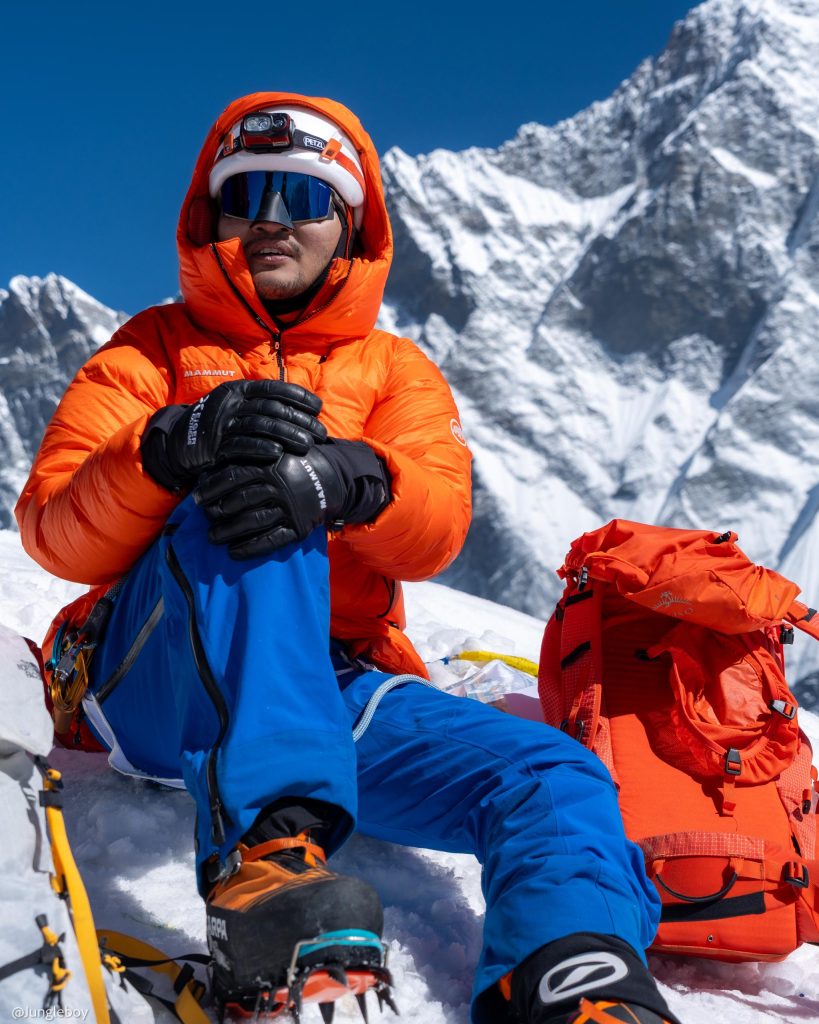
Daryll added that altitude presented another invisible challenge that many people misunderstood.
While oxygen still makes up about 21 per cent of the atmosphere, the lower air pressure at high elevations makes it much harder for the body to absorb it. As a result, even the simplest tasks become exhausting.
“Tying your shoelaces can leave you breathless. It feels like you’ve just sprinted before bending down,” Daryll said.
Night-time is often the hardest. Instead of stepping outside repeatedly into freezing temperatures, climbers sometimes resort to using bottles inside their tents to avoid losing precious body heat.
It may sound uncomfortable but conserving warmth is a matter of survival rather than convenience.
“The mountains really humble you. You stop caring about comfort. You’re just trying to get enough rest for the next day,” Lois said.
It’s the reason why the couple encourages aspiring hikers to focus less on social media and more on preparation.
Their advice is straightforward: start small, build experience gradually and never underestimate the mountain.
“You don’t climb mountains just so you can tell people you’ve climbed them. You climb because you want to enjoy the experience,” Daryll said.
Safety, they stressed, should never be compromised. GPS navigation devices, waterproof clothing, headlamps and satellite communication tools are among the essentials they never leave behind, regardless of how easy a trail may seem. Most importantly, a headlamp is always packed.
“You never know what might happen. If darkness falls unexpectedly, that one piece of equipment could save your life,” Lois said.
Daryll also carries a Garmin inReach satellite communicator, allowing him to send emergency messages and his exact location even without mobile phone coverage.
“It’s expensive. But if you’re venturing into remote mountains without a guide, it’s one of the best investments you can make,” he said.
Even with months of preparation, nothing could prepare them for what the mountains could unfold.
One memorable experience occurred in Labuan Bajo, Indonesia, when volcanic activity grounded flights and stranded hundreds of travellers.
Rather than panicking, Lois and Daryll immediately started looking for alternatives. Before long, other stranded Malaysians had gathered around them for advice.
“We don’t waste time asking why it happened. We ask how we’re going to solve it,” Daryll said.
Planning international expeditions inevitably creates moments of stress, especially when budgets, logistics and training schedules are involved.
Some of their biggest disagreements happen before the journey even begins. Once the climbing starts, however, everything falls into place.
Each understands the other’s strengths, weaknesses and responsibilities, allowing them to support one another instinctively.
“We’ve learned how each of us functions under pressure. We each have our own roles, but together it works,” Lois said.
For Daryll, those shared experiences have strengthened their relationship in ways ordinary life never could.
“If we can get through planning and completing these expeditions together, we can get through almost anything.”
While mountaineering remains their greatest passion, the couple believes the most memorable part of travelling is rarely the destination itself.
They make a conscious effort to immerse themselves in local communities, while they’re on an expedition.
Whether learning simple Swahili phrases in Tanzania or practising Nepali with trekking guides, they see language as a gateway to genuine human connection.
“I always ask people how to say simple phrases in their language. They’re excited that someone wants to learn,” Lois said.
Daryll’s favourite part of travelling is listening to people talk about their lives as that’s when he feels like he really travelled.
Many of those encounters have grown into lasting friendships. Guides become lifelong friends. Fellow climbers continue planning reunions years after the first meeting on the mountains.
Such relationships have influenced how they approach sustainability. They prefer investing in durable outdoor gear that lasts for years.
They use environmentally friendly products whenever possible, avoid disturbing wildlife and follow the principle of leaving nothing behind except footprints.
“Whatever we bring into the mountains, we bring back out.”
Meanwhile, Lois said that their cameras only came out during meaningful moments or scheduled breaks.
“The mountain comes first. I’d rather experience it than constantly think about filming.”
Daryll still remembers an advice from a photographer he met after climbing Mount Kilimanjaro.
“He told me the camera should complement the adventure, not become the reason for it. It completely changed how I travel.”
Among all their expeditions, Kilimanjaro remains the one closest to their hearts.
It marked their first journey to Africa, a continent Daryll had dreamed of visiting since childhood.
When the plane landed at Kilimanjaro International Airport, he instantly cried because it was something he’d dreamed about since he was a kid.
The expedition delivered everything they had hoped for: spectacular wildlife, warm hospitality, unforgettable friendships and the surreal experience of seeing zebras roaming freely in their natural habitat.
Despite reaching some of the world’s most iconic peaks, Lois and Daryll insist they have only scratched the surface.
Their ultimate ambition is to complete the Explorers Grand Slam; climbing the highest mountain on every continent before reaching both the North Pole and South Pole.
They also dream of diving with sharks, paragliding over mountain ranges and continuing to experience different cultures around the world.
The couple felt that success had never been measured by the number of summits conquered.
It is measured by the people they meet, the stories they collect and the perspectives they bring home.
As proud Sarawakians and members of the Dayak community, they hope their adventures encourage others to believe extraordinary experiences are within reach.
“We’re storytellers at heart. We love learning about people and sharing what we’ve experienced,” Lois said.
Daryll agreed, adding that if their stories inspired even one person to take that first step towards their own adventure, then everything they had gone through had been worth it.
Because in the end, mountains are more than towering landscapes waiting to be conquered.
For Lois and Daryll, they are classrooms that teach resilience, friendships that transcend borders and journeys that deepen love.
And perhaps that is the greatest summit of all; not standing on the highest peak but returning home a little wiser than when the journey first began.