STEPPING into the Sarawak Tribune newsroom for the first time was both exciting and intimidating.
As a journalism student, I was eager to experience the realities of the profession while wondering what kinds of news I would report, how the newsroom operated, and the challenges that lay ahead.
The routine of interviewing people and creating news articles within the timeline given has become natural, but being in a professional setting where I will be interacting with prominent figures and my articles will be on the newspaper spread and across online platforms, I truly feel the responsibility of sourcing and creating accurate news items for it to be disseminated all over.
Every night, I would get anxious about the unpredictability. Instead of the conventional fixed office hours, I would not know the time, place, or topic being covered until the night before, when reporters would receive our schedule of events.
My six-month internship at Sarawak Tribune is the perfect amount of time to evaluate my strengths, address my weaknesses, and examine my career interests, all while applying what I’ve learned in an actual industry setting and carrying the reputation and responsibility that come with it.
The first few weeks of my internship were challenging as I adapted to the fast-paced newsroom environment.
I was often nervous about meeting editorial standards and was prone to mistakes such as factual errors or weak news flow, but the guidance and constructive feedback from senior reporters and editors helped me improve my news writing before my articles were published.
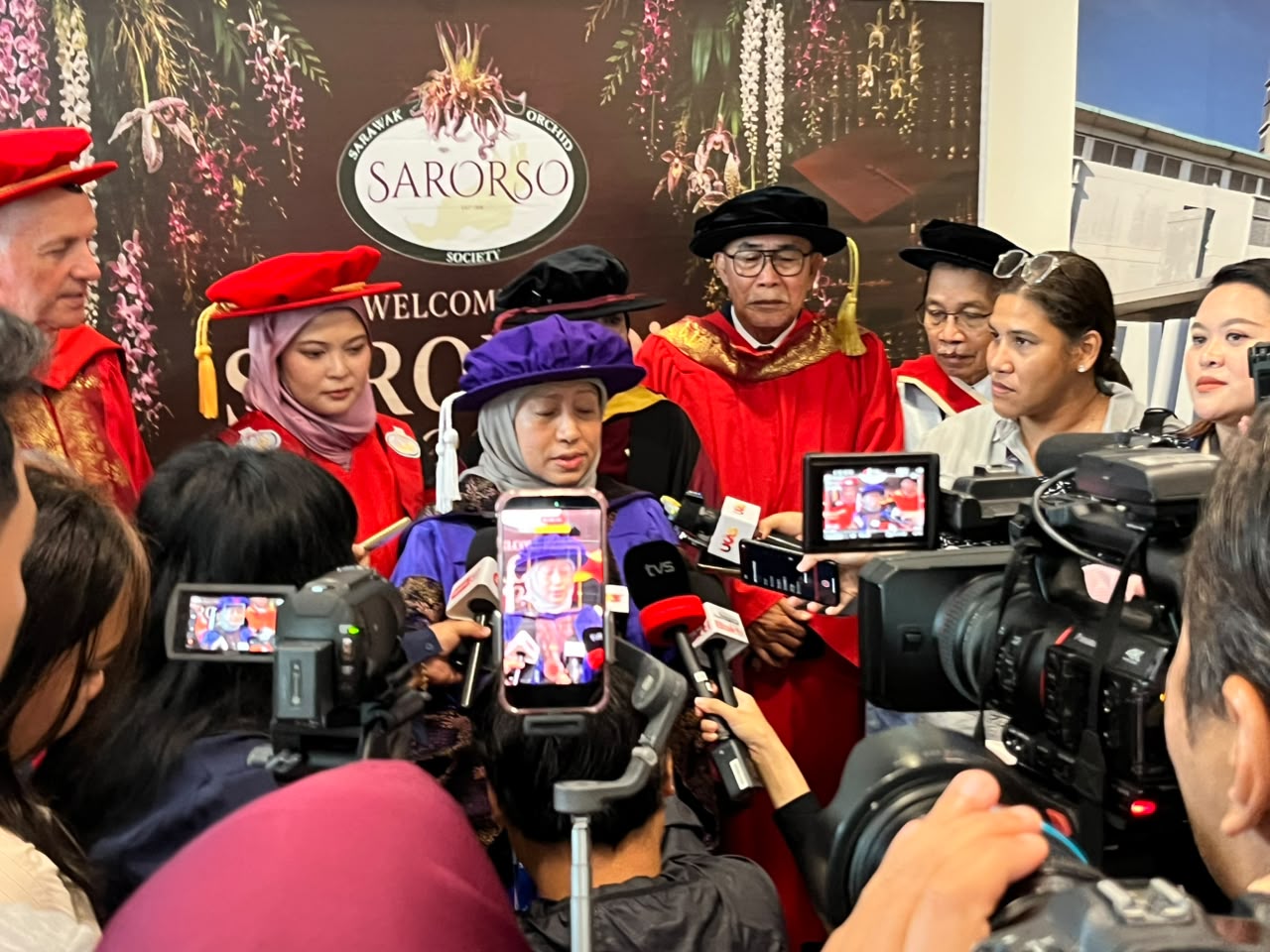
I would never want to experience the consequences of submitting a news article containing misinformation, especially when it involved prominent figures such as ministers, as it could create a chain reaction that would mislead readers who rely on established news organisations for credible information.
Over time, the initial nervousness and uncertainty of covering spontaneous assignments gradually turned into confidence and anticipation.
Instead of viewing last-minute tasks as a burden, I began to see them as valuable opportunities to gain new knowledge, develop my reporting skills, and experience the dynamic nature of journalism firsthand.
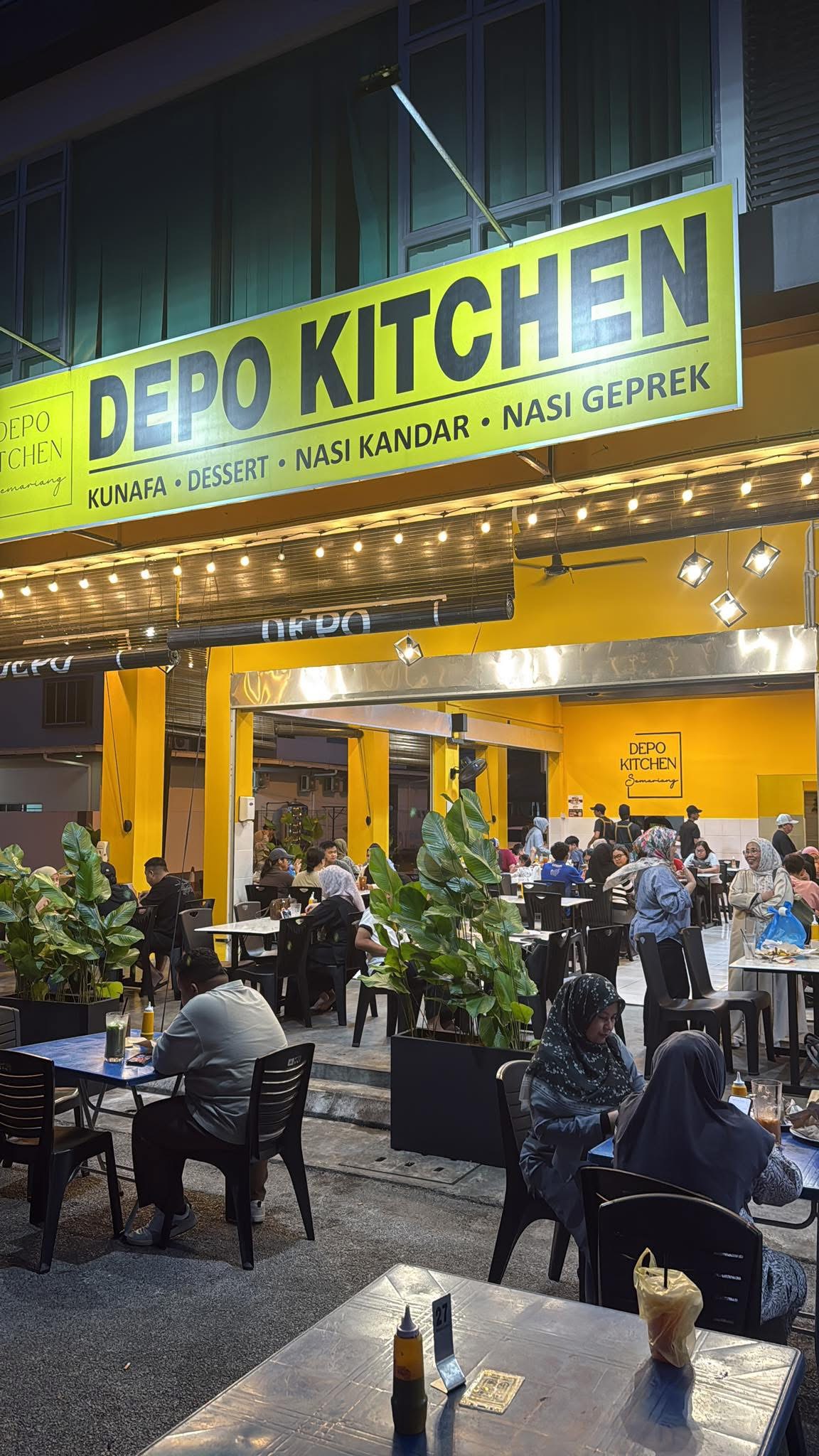
Covering a wide range of events, from medical, engineering, environmental, and particularly tourism activities in Kuching, allowed me to meet people from diverse backgrounds and gain new knowledge that I would not have otherwise acquired.
It also allowed me to learn about current affairs firsthand and be among the first to share important information with the public.
As time went by, seeing familiar faces among fellow reporters became a source of motivation, as we naturally looked out for one another, such as whether an event started earlier than scheduled and I had not arrived yet, or a reporter needed interview recordings or photographs, we were always willing to help each other.
I believe that I was able to complete most of my assignments because of their overwhelming support.
Their willingness to look out for intern reporters, despite coming from different media outlets, greatly eased my daily tasks.
I was also fortunate to have understanding supervisors from both the faculty and the industry, whose guidance and encouragement helped me throughout my internship.
Even when I was the only media representative assigned to an event, the organisers were attentive and helpful in providing everything I needed.
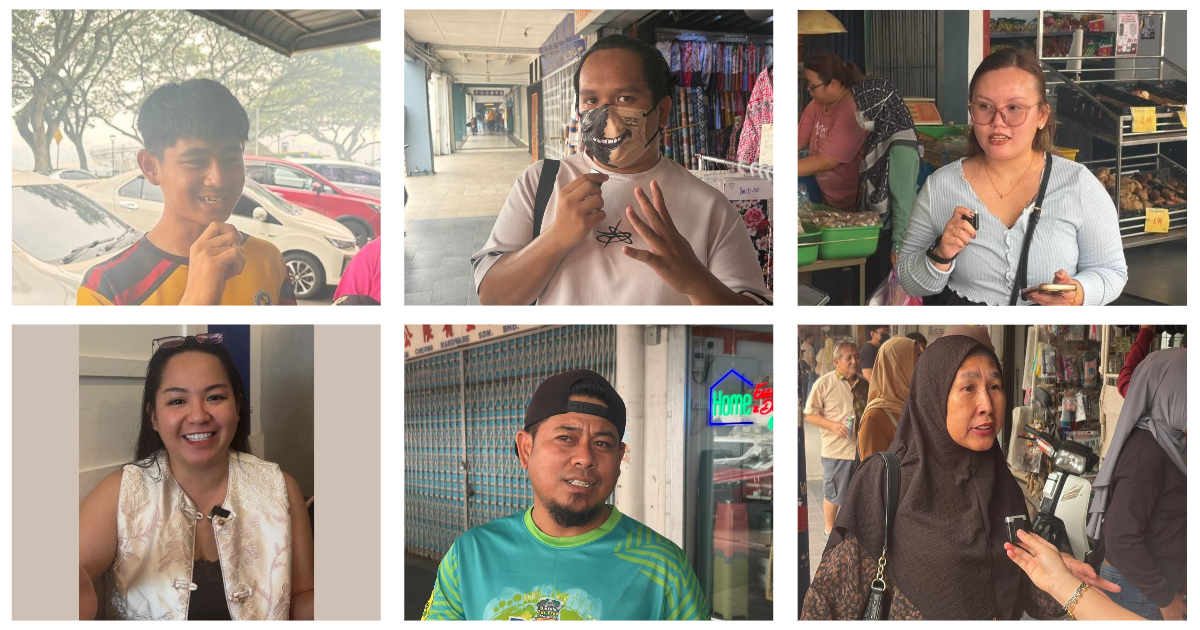
Prominent figures would also take the time to speak with me personally, which was a unique experience that I would not have had outside the journalism field, but eventually became a normal part of my daily work.
From reporting on the state’s achievements, social welfare and education initiatives to highlighting public concerns and witnessing Sarawak’s progress firsthand, my internship provided me with invaluable experience and a deeper appreciation of journalism’s role in informing society.