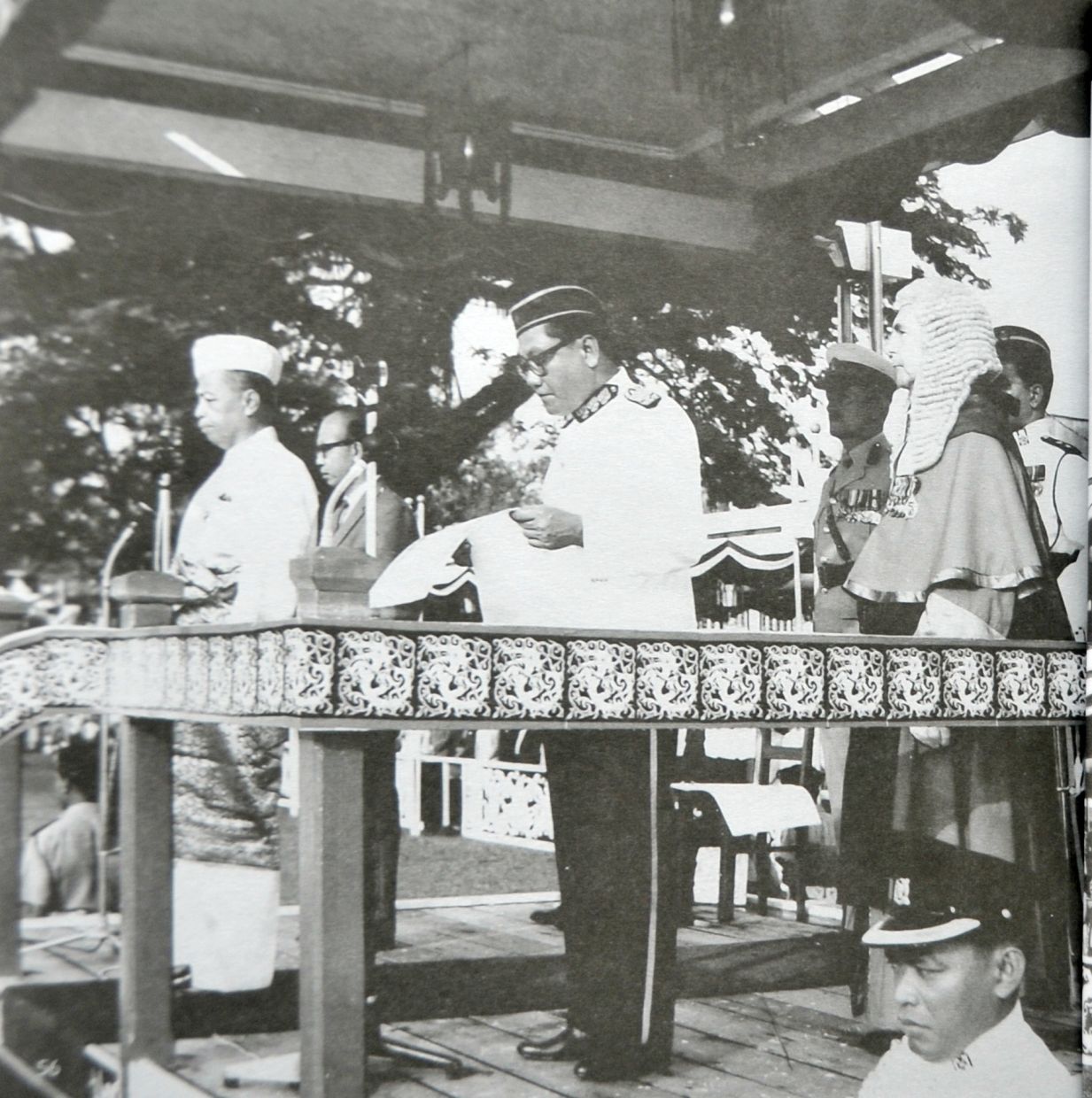
Home is not always defined by where a person is born.
For some, it is the place where they grew up. For others, it is where their family came from, where they built friendships, pursued a career or started a family.
For four individuals with ties to both Sabah and Sarawak, their sense of home has been shaped by life on both sides of Borneo — through childhood memories, ancestral roots, education, friendships and marriage.
As Malaysia Day is celebrated this year, the four shared how their experiences across Borneo have given them a deeper appreciation of their shared identity, as well as the distinct cultures that make each state unique.
Their stories may be different, but each reflects the close personal ties that have long connected Sabahans and Sarawakians beyond state borders.
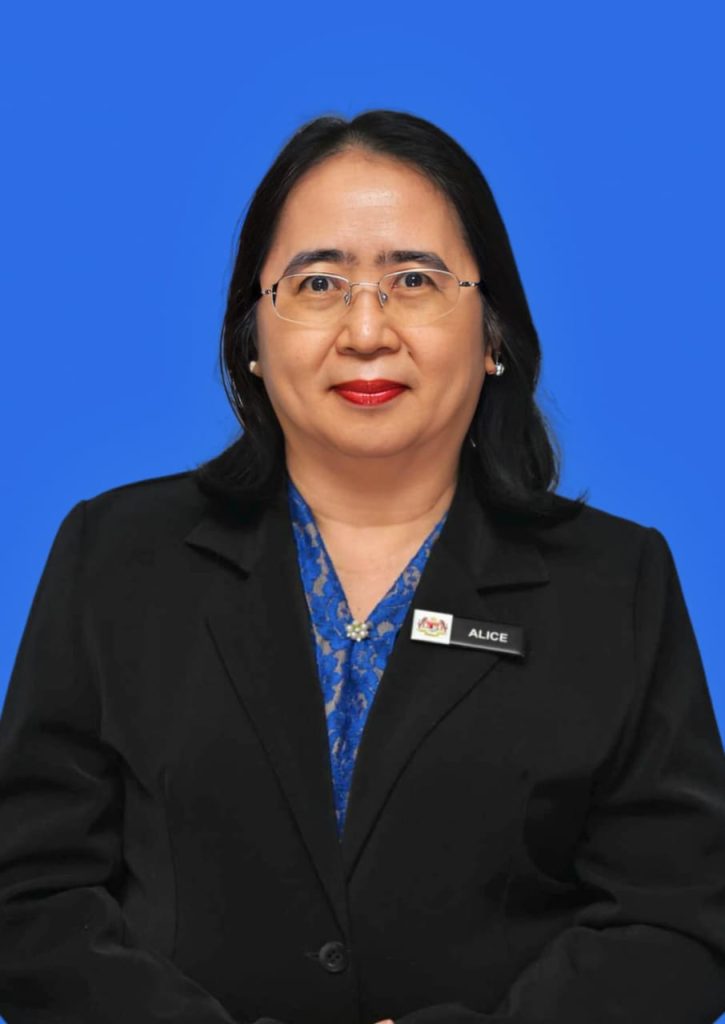
Educator Alice Limen, 53, said her connection to both states is rooted in her family heritage and a lifetime spent between the two.
Her family originated from Sri Aman, formerly known as Simanggang, where her eldest brother was born, before her parents moved to Sandakan, Sabah, for employment.
“I grew up in Sabah and completed my primary and secondary education there before pursuing my teaching credentials at Sandakan Teachers’ College from 1992 to 1994.
“After beginning my teaching career in Sandakan, I then served in Tawau for decades before transferring to Sarawak in 2021, where I am now working at an educational institution in the Kuching district,” she said.
Her journey has given her a connection to both sides of Borneo, with Sarawak representing her family roots while Sabah was where she grew up.
“Sabah is where I come from, while Sarawak is one of the places that shaped who I am today,” she said.
Among the experiences that remain particularly meaningful to her are journeys to her ancestral longhouse in Sebuyau during school holidays and festive seasons.
“Before modern road infrastructure, the journey involved travelling by boat from Sebangan, with the four-hour river trip sometimes bringing encounters with saltwater crocodiles along the riverbanks.
“To me, arriving at the longhouse for Hari Gawai meant more than celebrating a festival, as extended family members gathered to prepare for ceremonies, reconnect across generations and share oral histories,” she added.
For Alice, these experiences reinforced the importance of preserving indigenous heritage, performing arts and traditional ecological knowledge.
“I also hope stronger cooperation between Sarawak and Sabah will help safeguard such heritage while also expanding opportunities in tourism, economic development and education,” she said.

Meanwhile, Natasha Zarina Liew, 27, who works in administration and finance, said her connection to both states was shaped by spending a significant part of her life in each.
She said Sarawak feels slightly more like home because she has spent more time there, with many of her childhood memories and experiences tied to the state.
Yet Sabah remains an important part of her identity.
“Moving between the two states exposed me to different communities, cultures and ways of life.
“Even language became part of that experience, as I sometimes found myself mixing Sabahan and Sarawakian words depending on where I was,” she said.
For Natasha, however, it is the friendships she formed that stand out most.
“Meeting people through school and work showed me that differences in accents and cultures were never significant barriers to forming relationships.
“Even though we have different accents and cultures, I don’t think that ever really stopped us from becoming friends,” she said.
She believes both communities place strong importance on family, community and relationships, while differences in food, language, traditions and communication styles give each state its own character.
“For me and my family, it means having two places that feel like home, because we have family in both Sarawak and Sabah,” she said.
She hopes better cooperation in transportation, education and employment will make it easier for families, students and businesses to move between the two states.

For teacher Elfie Rahman, 31, the experience of moving between Sarawak and Sabah has similarly shaped his understanding of home.
Having spent a large part of his life in both states, he said he feels particularly connected to Sarawak because many of his childhood memories are tied to the state.
“At the same time, Sabah has remained an important part of my life, allowing me to experience different communities, cultures and ways of life,” he said.
He added that his experiences have also given him an appreciation of the friendships formed across state lines.
“Sabahans and Sarawakians were generally welcoming, particularly when they discovered someone was from the neighbouring state,” he added.
Elfie said these personal relationships demonstrate that cultural differences need not create distance.
Instead, they provide opportunities for people to understand one another better.
“Both places have shaped me,” he said, reflecting on his experiences moving between the two states.
He also hopes cooperation can be strengthened in areas that have a direct impact on everyday life, particularly transportation, education and job opportunities.

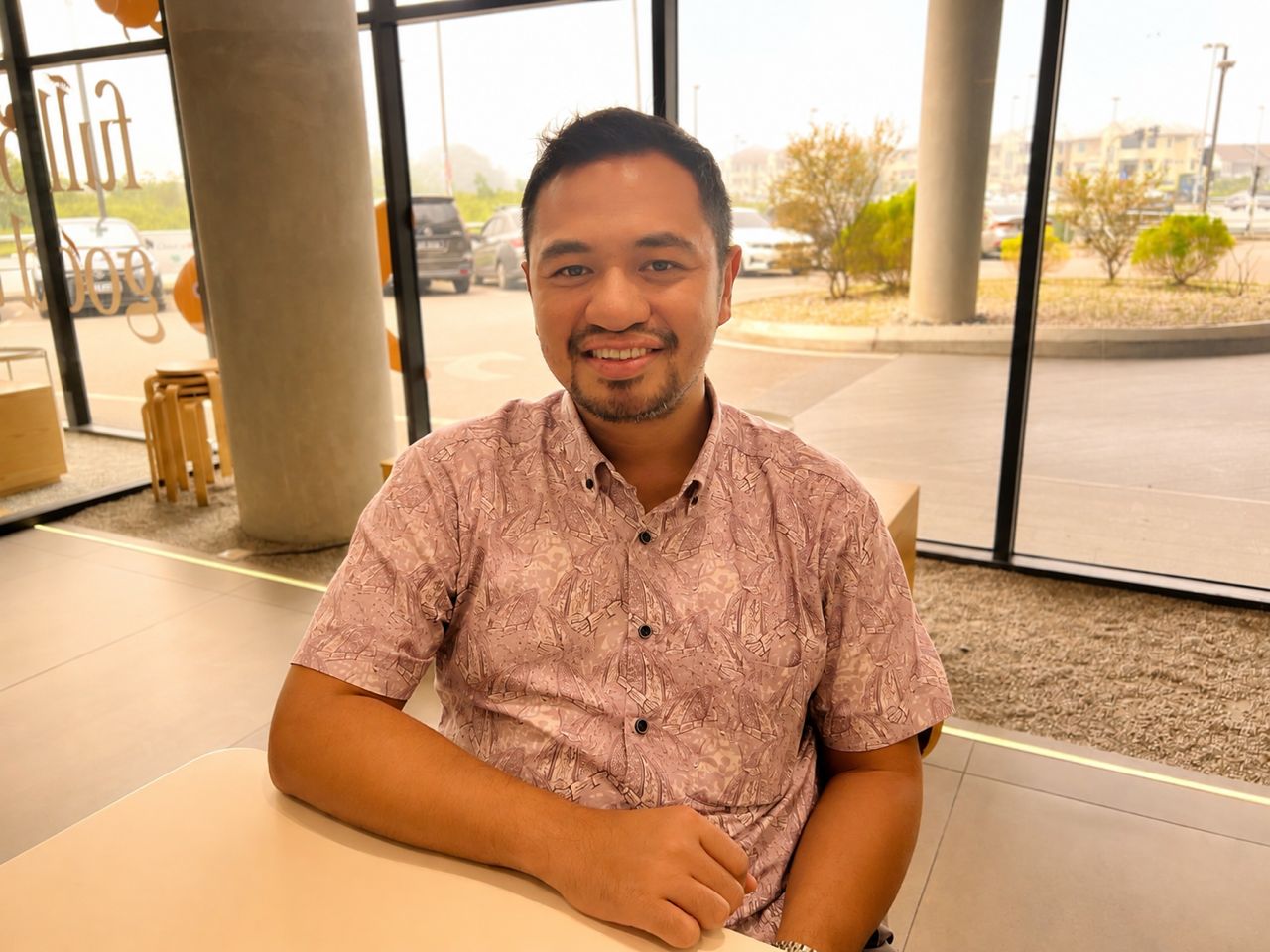
Meanwhile, teacher Addie Shafiq Liew, 36, said his connection between Sabah and Sarawak took on a different meaning, one built through marriage and family.
Originally from Sabah, Addie became more closely connected to Sarawak after marrying a Sarawakian.
“Through my marriage and family life, I have gained a closer understanding of Sarawakian culture, people and way of life,” he said.
He added that one of his most meaningful experiences has been being welcomed into his Sarawakian family.
“Family gatherings, celebrations and everyday interactions have allowed me to experience Sarawakian hospitality while sharing my own Sabahan culture with them,” he added.
As someone with ties to both communities, Addie sees more similarities than differences.
Both Sabahans and Sarawakians, he said, are friendly, family-oriented and proud of their diverse cultures.
“Differences in food, dialects and traditions make the relationship more interesting rather than creating distance.
“My marriage has shown me that the connection between Sabah and Sarawak is not just about geography — it is about people, family, friendship and shared experiences,” he said.
He hopes stronger cooperation in education, transportation, tourism, sports and economic opportunities will create greater opportunities for families and communities across Borneo.
While their stories differ, Alice, Natasha, Elfie and Addie share an experience familiar to many Malaysians from Borneo — having their lives shaped by more than one place.
For some, it is ancestral roots. For others, it is childhood, friendship or marriage.
Together, their experiences illustrate how the relationship between Sarawak and Sabah is strengthened not only through formal cooperation, but also through the everyday connections between their people.
This Malaysia Day, their stories serve as a reminder that for those who have crossed the divide between the two states, home can be more than one place.