The leaving generation: Part 2
IN the first part of this series, I explored why many young people leave Baleh in search of education and opportunities elsewhere. The second part takes the journey in the opposite direction.
This time, I returned to Baleh, a remote region in the interior of Kapit Division, on assignment with my colleagues.
Although I had travelled the new road before after it opened, this journey felt different. Reporting on Baleh’s transformation meant retracing a route that had once been defined not by roads, but by the river.
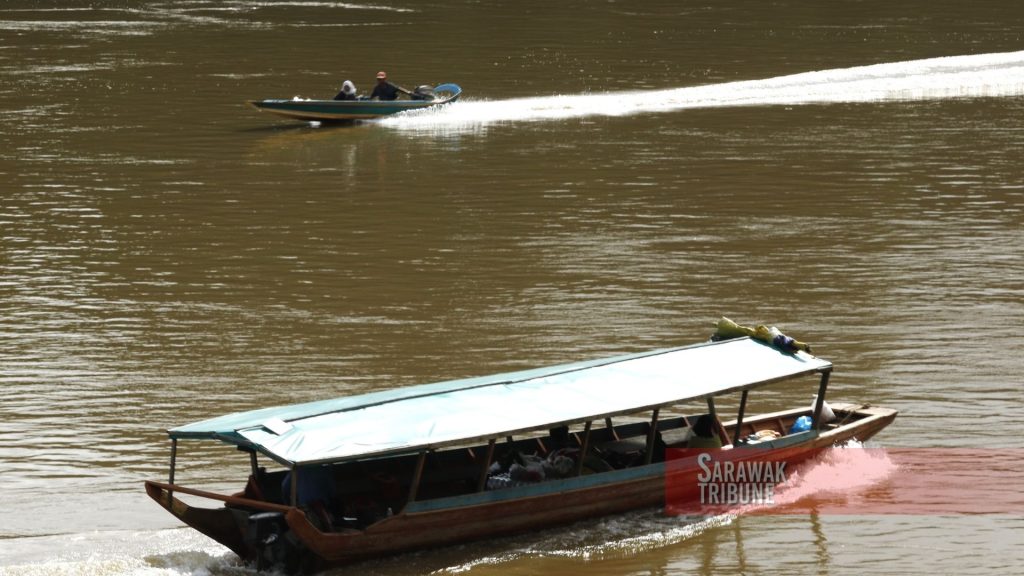
Long before four wheel drive vehicles and logging roads connected the interior, every journey home began at Kapit’s express boat terminal.
Like many families returning upriver, mine would wait for the late Tuai Rumah or another resident from Rumah Melinggang, who had travelled downriver to fetch us. Once greetings were exchanged and our belongings loaded into the longboat, we would begin the long journey upstream.
As a child, I never questioned how long it took.
The river was simply the way home.
It carried us past dense rainforest and small settlements tucked along its banks. The steady hum of the outboard engine echoed across the water while the cool breeze drifted through the boat as we travelled deeper into the interior.
Every bend promised another familiar landmark.
During the dry season, however, the journey often slowed.
When the water level dropped too low, my late father and the other adults would climb into the shallow river to push the longboat over the rocky riverbed, while my mother, my siblings and I eagerly took the opportunity to swim.
We laughed and splashed in the cool water, never realising the effort it took for the adults to keep the journey moving.
Looking back now, I understand those memories differently.
What felt like an adventure to us was simply another challenge accepted by the generation that relied entirely on the river.
Where every journey paused
Further upriver was a place every traveller to the longhouses in Baleh knew.
We called it Majau, named after Majau River, where the river journey left the main channel and continued into Mujong River towards my longhouse.
Before roads connected the Baleh interior, Majau was a familiar stop along the river. Travellers paused to rest, stock up on supplies, exchange news and catch up with familiar faces before continuing upstream.
For my family, Majau was more than a stop along the river.
It was where my late grandfather, Akek Masing, a trader, built a wooden shophouse. He travelled extensively, trading between Kalimantan and communities throughout the Upper Rajang via a longboat. Over time, the shophouse became a familiar gathering place for travellers heading into the interior. Years later, it was transformed into our family’s farm, where we reared cattle and goats.
As children, we never questioned why every journey stopped there or why we occasionally spent the night before continuing on to our longhouse.
It was simply part of going home.
Only years later did I understand what Majau represented. It was more than a shop or a farm. It was part of the rhythm of life along the rivers of Baleh.
Today, that rhythm has changed. The longboats no longer stop at Majau because they no longer need to. Hidden beyond the trees and hills, the old shophouse, later converted into our family farmhouse, now stands abandoned. The roads that transformed travel through Baleh bypassed Majau entirely, leaving behind a place that was once a familiar stop for generations of river travellers.
The ‘goyang dumang’ ride
Leaving Kapit behind in a four wheel drive, I realised I was travelling along a route that had changed beyond recognition, yet every kilometre seemed to bring back another memory of the river that had once carried my family home.
The drive from Kapit to Baleh now takes about two hours, depending on road conditions and how fast and experienced the driver is.
For decades, such a journey would have been almost unimaginable.
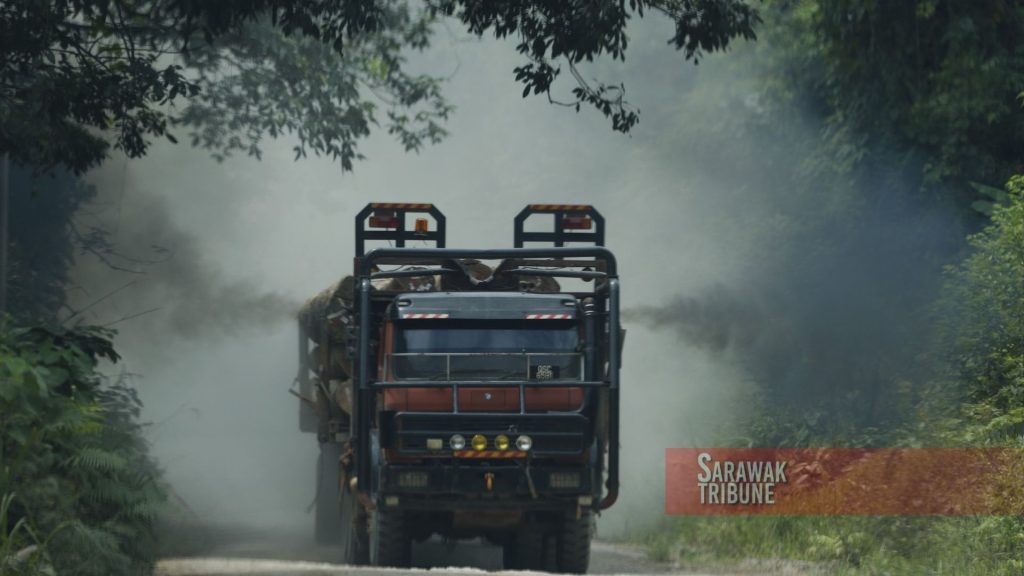
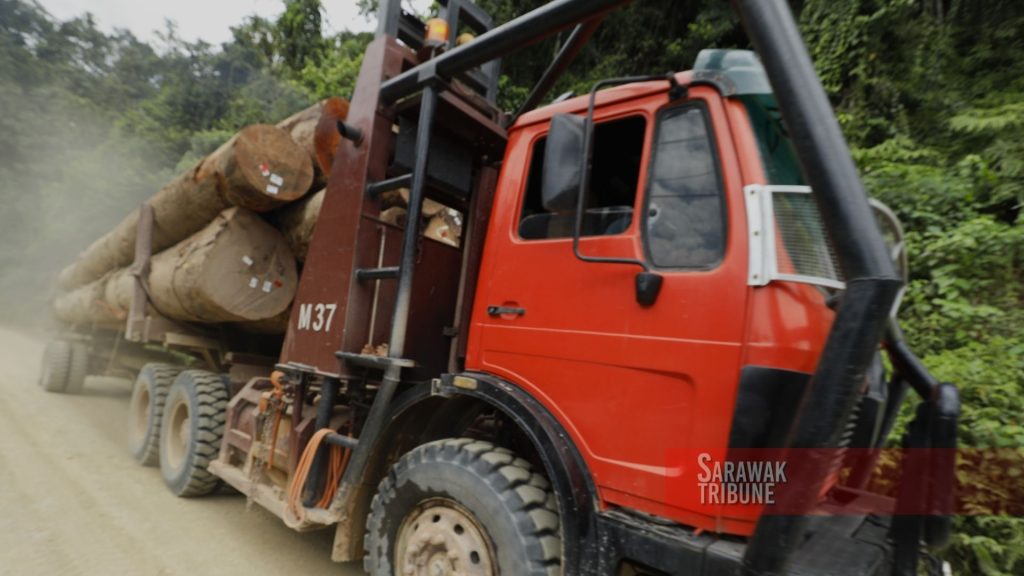
Much of the route follows roads originally built to support logging operations. Although they have dramatically improved access to the interior, they are far from an easy drive.
I was travelling with 37 year old driver Jam Rajang, who has been navigating the roads for about a month.
Not long after leaving Kapit, the smooth drive gave way to the uneven logging roads.
The four wheel drive bounced relentlessly over potholes, loose gravel and deeply rutted tracks. Every few seconds, we were jolted from one side of the vehicle to the other.
It was, as the longhouse folk jokingly called it, ‘goyang dumang’, a phrase borrowed from a popular Indonesian song to describe a ride so bumpy that every pothole had passengers swaying from side to side.
Dust billowed behind passing vehicles while every dip and ridge reminded us that these roads were built for heavy machinery rather than comfort.
Jam kept both hands firmly on the steering wheel, his eyes fixed on the road ahead.
“These roads can be unpredictable.
“Logging trucks always have priority because they’re much bigger. Whenever we see one coming, we have to give way,” he said.
He pointed towards a sharp bend ahead.
“Some corners are blind, so you have to slow down and sound the horn. When it rains, the road becomes slippery, especially on downhill stretches. You can’t be overconfident.”
Despite the challenges, Jam said travelling to Baleh today is still much easier than it was when people depended entirely on the river.
Returning to Rumah Melinggang
As we ventured deeper into the interior, the logging roads gradually gave way to concrete roads leading towards the settlements.
The jolting ride began to ease.
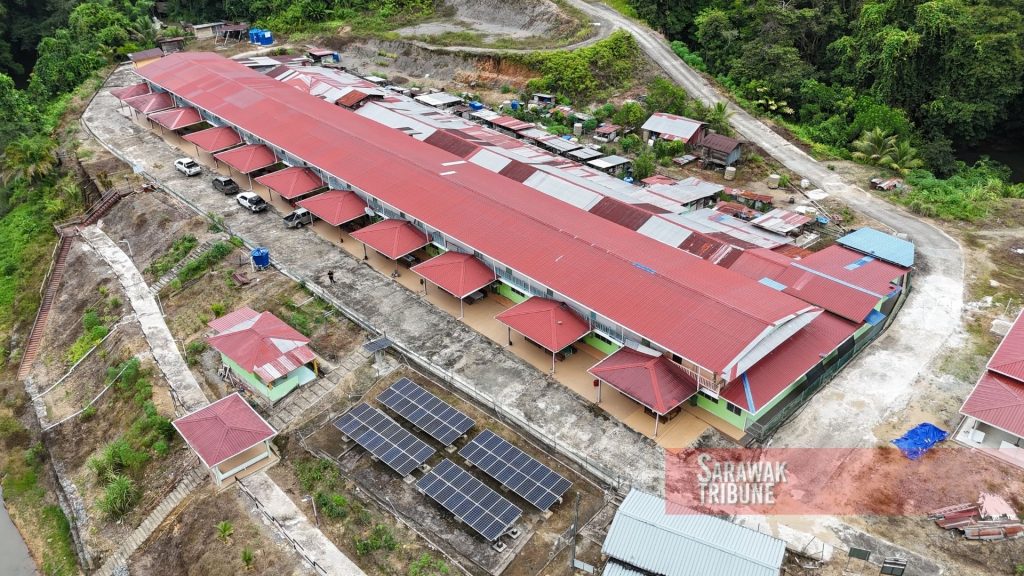
Not long after, the 23 door Rumah Melinggang came into view.
Nestled along the banks of the Mujong River, Rumah Melinggang stood quietly against a backdrop of lush rainforest.
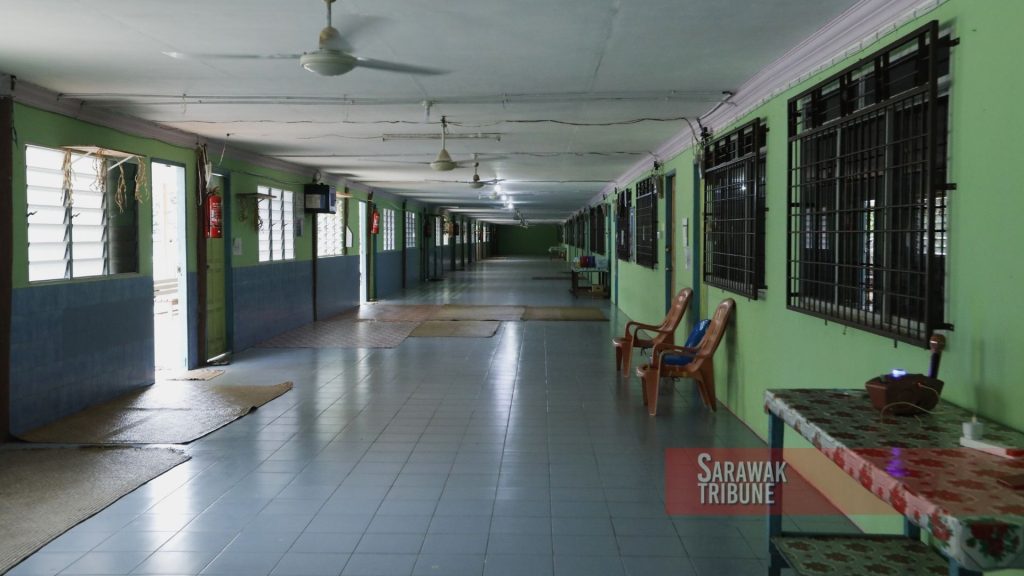
Rumah Melinggang sits on the ground, reflecting a more modern design while preserving the communal way of life that has defined generations of Iban families.
A homecoming in ritual
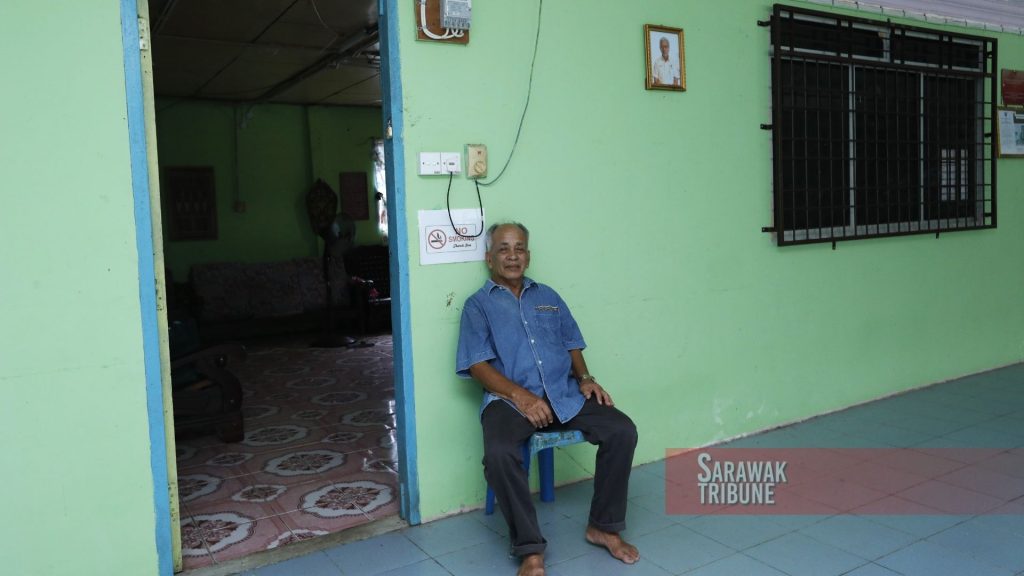
Waiting to welcome us were Tuai Rumah Melinggang Pilai, 73, the longhouse chief, and several residents.
After exchanging greetings, we were invited into the longhouse, where the first order of business was, unsurprisingly, a glass of ‘tuak’.
For visitors unfamiliar with the custom, accepting the drink is a gesture of respect. Those who do not consume alcohol may instead pour the ‘tuak’ onto the ground as a blessing for the longhouse before returning the empty glass.
Soon after, another welcoming custom followed.
Each guest was handed a bowl containing a beaten egg, an empty bowl and a spoon. Following the elders’ instructions, we carefully transferred the beaten egg from one bowl to the other several times.
The ritual symbolises leaving behind negativity before entering the longhouse.
Only then were we invited onto the ‘ruai’, the long communal gallery where family members and visitors gather to talk, share meals and welcome guests.
As conversations filled the ‘ruai’, the longhouse ladies approached me with something I had not expected.
They carried a simple ‘piring’, a traditional Iban ceremonial offering, and a glass of ‘tuak’ prepared especially for my return.
Unlike the welcoming rituals earlier, this ‘piring’ was dedicated to my late father and grandfather.
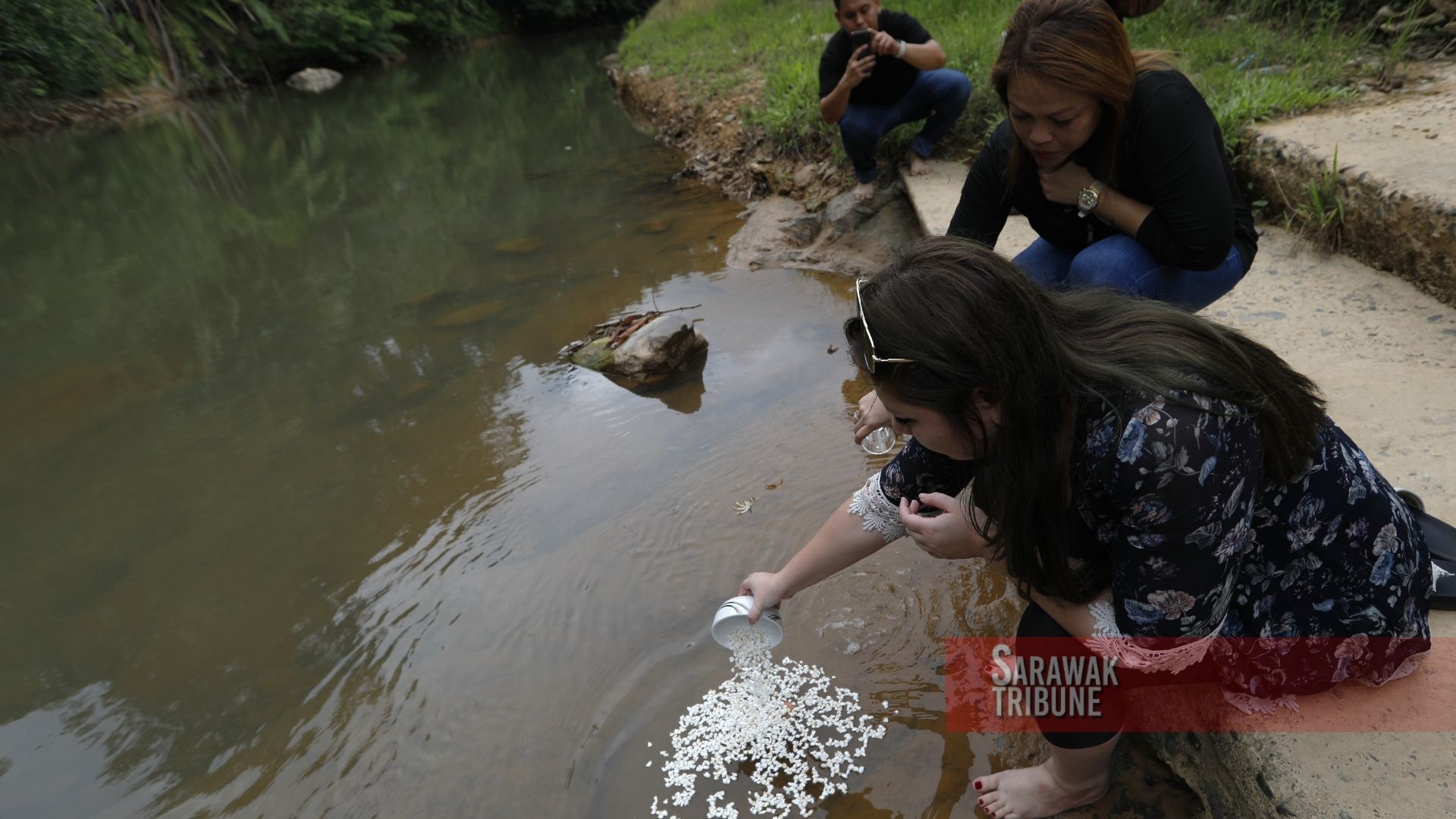
Carrying the offering, we walked down to the riverbank.
The ‘piring’ contained only an egg and puffed rice.
The elders instructed me to speak quietly to my father and grandfather as I poured the contents of the ‘piring’ and ‘tuak’ into the river, letting them know that I had come home, paying my respects and seeking their blessings.
Standing at the river’s edge, I paused for a moment.
The water flowed gently past, carrying with it memories of childhood journeys, longboat rides and countless trips along the river that had once been the only way home.
It was also the same river that had claimed my grandfather’s life years ago.
Quietly, I spoke the words in my heart before gently pouring the egg and puffed rice into the river.
The current carried the offering away, disappearing downstream as silently as it had arrived.
When we returned to the ‘ruai’, lunch was waiting.
We sat cross legged on the floor in the traditional way, sharing a simple meal prepared by the longhouse residents. The dishes were made largely from vegetables harvested from their farms and gardens, a reminder that despite the changes brought by roads and technology, the land continues to sustain daily life in Rumah Melinggang.
The meal was unhurried. Stories were exchanged between mouthfuls as everyone ate together, just as generations before them had done.
Development and departure
After lunch, I spoke to Melinggang and the residents gathered on the ‘ruai’.
Eight residents had returned from Kapit town after learning of my visit. Although they now live in town, they still return to the longhouse from time to time for family gatherings, community events and Gawai.
Their presence reflected a reality that Tuai Rumah Melinggang would later describe.
“The roads have transformed our lives.
“In the past, we depended entirely on the river. Travelling to Kapit took much longer and every journey depended on the weather and river conditions,” he said.
Today, he said, the drive to Kapit takes about two hours, making it easier to access healthcare, schools, government services and essential supplies.
Communications have also improved significantly.
“Before the telecommunications tower was built, we relied on ConnectMe for internet access.
“Now we have mobile coverage. It has made communication much easier, especially with our children who are living outside Baleh,” he said.
While development has made life in Baleh more convenient, he said it has also made it easier for many of the younger generation to leave the longhouse in search of education and employment, leaving mainly the older residents behind.
As the afternoon light filtered through the longhouse, I looked once more along the ‘ruai’.
The roads had shortened the journey home, brought mobile coverage to the interior and connected Baleh to opportunities once beyond reach.
Yet some things had remained unchanged.
The warmth of the welcome, the meal shared on the floor, the quiet ‘piring’ by the river and the stories passed from one generation to the next reminded me that while Baleh continues to evolve, its heart still lies in its people.
As I prepared to leave Rumah Melinggang, I realised the journey had given me more than another assignment to write.
It brought me home.