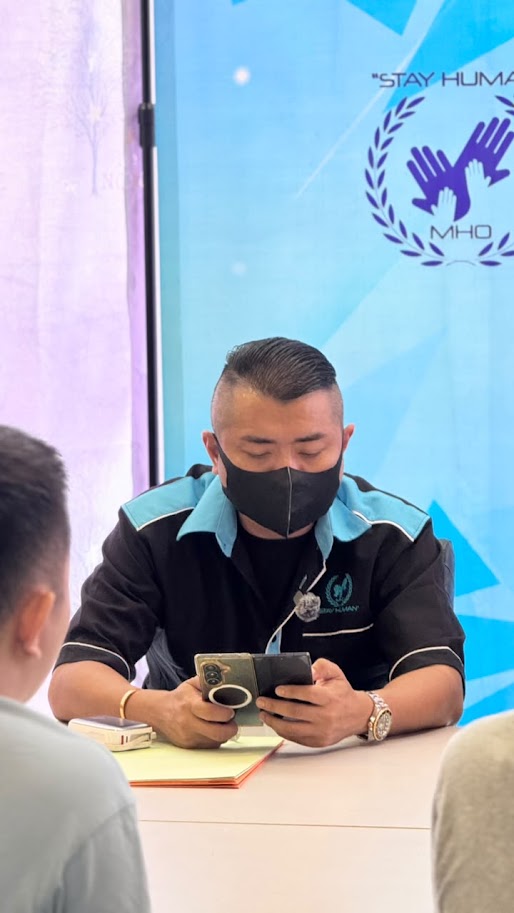
When William Bong first led the Junior Chamber International (JCI) Padawan and JCI Batu Kawa chapters, his goal was to gain as much knowledge as he could. This was so he could help as many people as he could. He believed that by lending a hand, he could change the community around him for the better.
Today, he has led the Sarawak branch of the TK3000 Malaysian International Humanitarian Organisation (MHO) since April. As an extension of the West Malaysia-based organisation, Bong has spearheaded community intervention efforts in Sarawak.
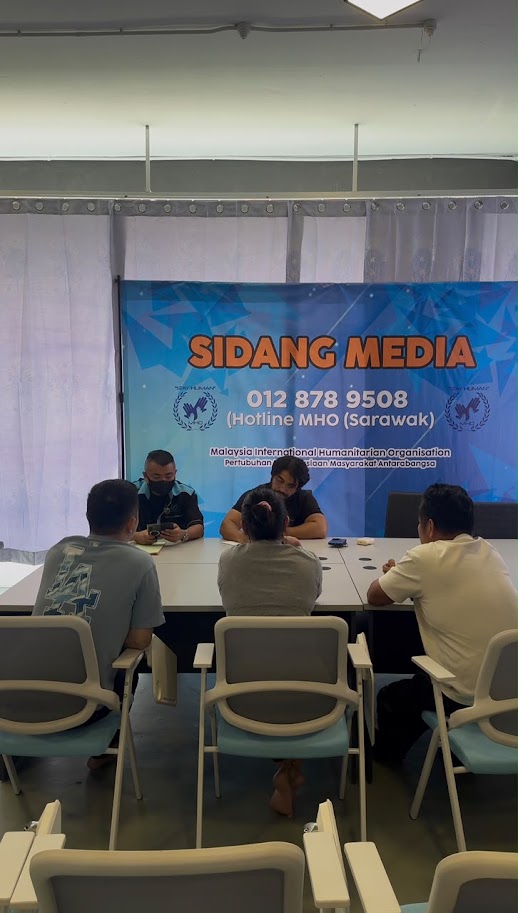
Most recently, he launched a campaign to assist individuals who are experiencing illegal moneylender harassment. This special consultation programme under MHO is aimed at educating victims about their legal rights and appropriate strategies to address such harassment.
When met by Sarawak Tribune for an in-depth interview, Bong explained that there are three ways to take a loan.
“From licensed moneylenders, unlicensed and illegal moneylenders, and online moneylenders.” The latter, he said, would usually lead victims to being scammed, stating that there is more than meets the eye when borrowing money.
A way to give back to the community, Bong, also known as TK3000 on the social media platform TikTok, focuses on not just illegal moneylender harassment, but also victims of scams.
Challenging but fulfilling
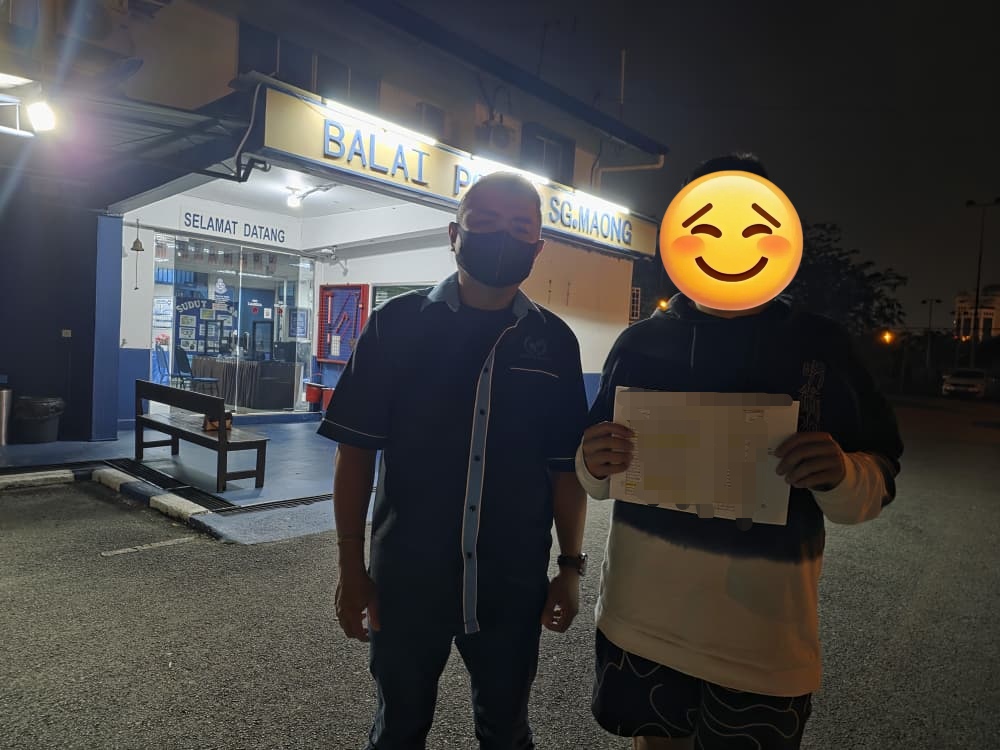
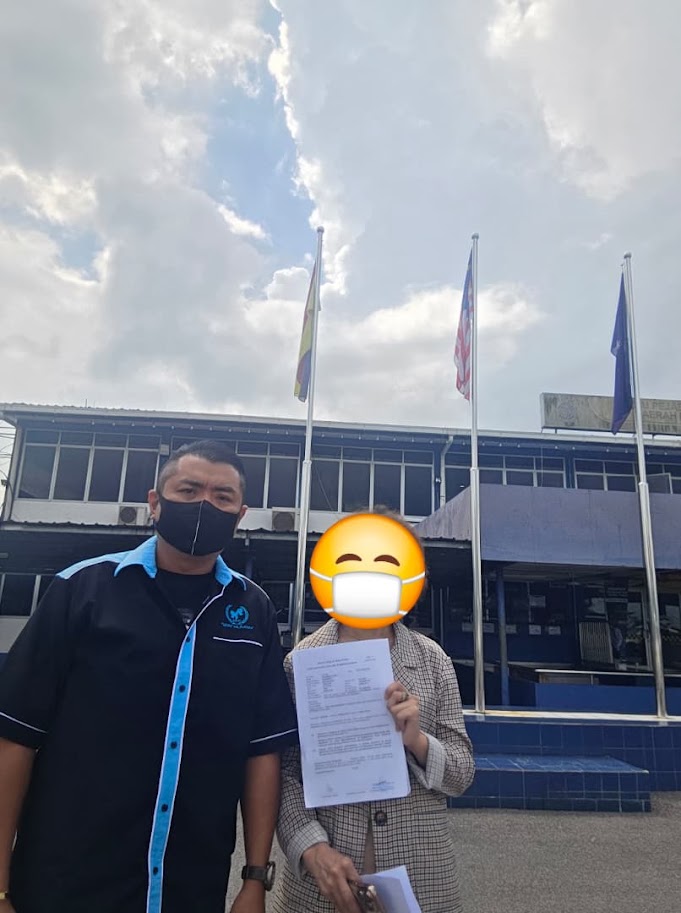
Bong was inspired by MHO lawyer and Secretary MHO Datuk Hishamuddin and the organisation’s efforts in rescuing Malaysians who had fallen victim to human trafficking overseas, among many other community cases they handled.
At home, his job dealing with troubled victims often provides him with challenges. Nevertheless, he is always ready to assist in times of need.
“There are times when I’ll meet victims who are suicidal. I think that’s the hardest to solve, as I would need to talk to them, guide them and carefully steer them away from those thoughts.”
But without these challenges, Bong said his life would be without meaning.
“It isn’t really that difficult of a challenge; rather, it is one that fulfils me. It is like going on a mission to help others,” he opined.
And by helping more people and getting to know many others, the life lessons that he has kept allow him to be more aware of the current situation. From these lessons, he could also help his friends and family avoid falling into trouble or scams.
Exercising digital caution
Among the scam victims he has met, Bong noticed that many are socially isolated. According to him, a common pattern among victims is that they live alone or have few people to confide in.
“Many of them, after returning from work, don’t have friends or spouses to go home to. So they would download dating apps or online platforms. From here, their emotional vulnerability leads them to being exploited.”
Bong recalled cases where individuals lost hundreds or even thousands of ringgit after being lured into fake online relationships. In his experience, having someone to talk to before making financial decisions can sometimes be enough to prevent a scam.
Through his work, he has encountered victims from all walks of life. He believes scams are designed to manipulate emotions and create urgency, making anyone susceptible regardless of age, education or occupation.
Hence, the key to lessening the prevalence of scam victims is to create awareness within the community. By sharing more about this, Bong said that through knowledge, people who understand common scam tactics are more likely to pause, verify information and seek a second opinion before transferring money or sharing personal details.
He then shared tips on how to avoid being scammed.
“We shouldn’t simply download links shared on social media or even on our mobile’s Play Store,” he said.
Bong also advised users to be cautious when downloading unfamiliar applications or granting unnecessary permissions, as these may expose personal information that scammers can exploit.
Financial management also important
As for victims of illegal moneylender harassment, Bong revealed that among these are usually those who have poor financial management habits.
“These are people who spend more than they earn, and it’s usually dangerous to do so.”
Financial discipline, he said, can reduce the temptation to seek quick loans from illegal sources, ultimately lowering the risk of falling into debt traps or scams.
Aside from that, when borrowing money, he advises people not to rely solely on verbal promises. Instead, they should carefully read loan documents, understand the interest rate being charged and ensure the lender is licensed.
He also reminded borrowers that under Malaysian law, licensed lenders are subject to regulations, unlike illegal moneylenders who often impose excessive interest and resort to harassment.
As he juggles between cases, Bong hopes that through awareness and knowledge, the public can take preventive measures; instead of becoming victims, the public can recognise warning signs before falling into traps.