KOTA SAMARAHAN: The Sarawak Bioindustrial Park (SBP) will drive promising bio-innovations beyond the laboratory, transforming research breakthroughs into commercially viable products and high-value industrial opportunities for Sarawak.
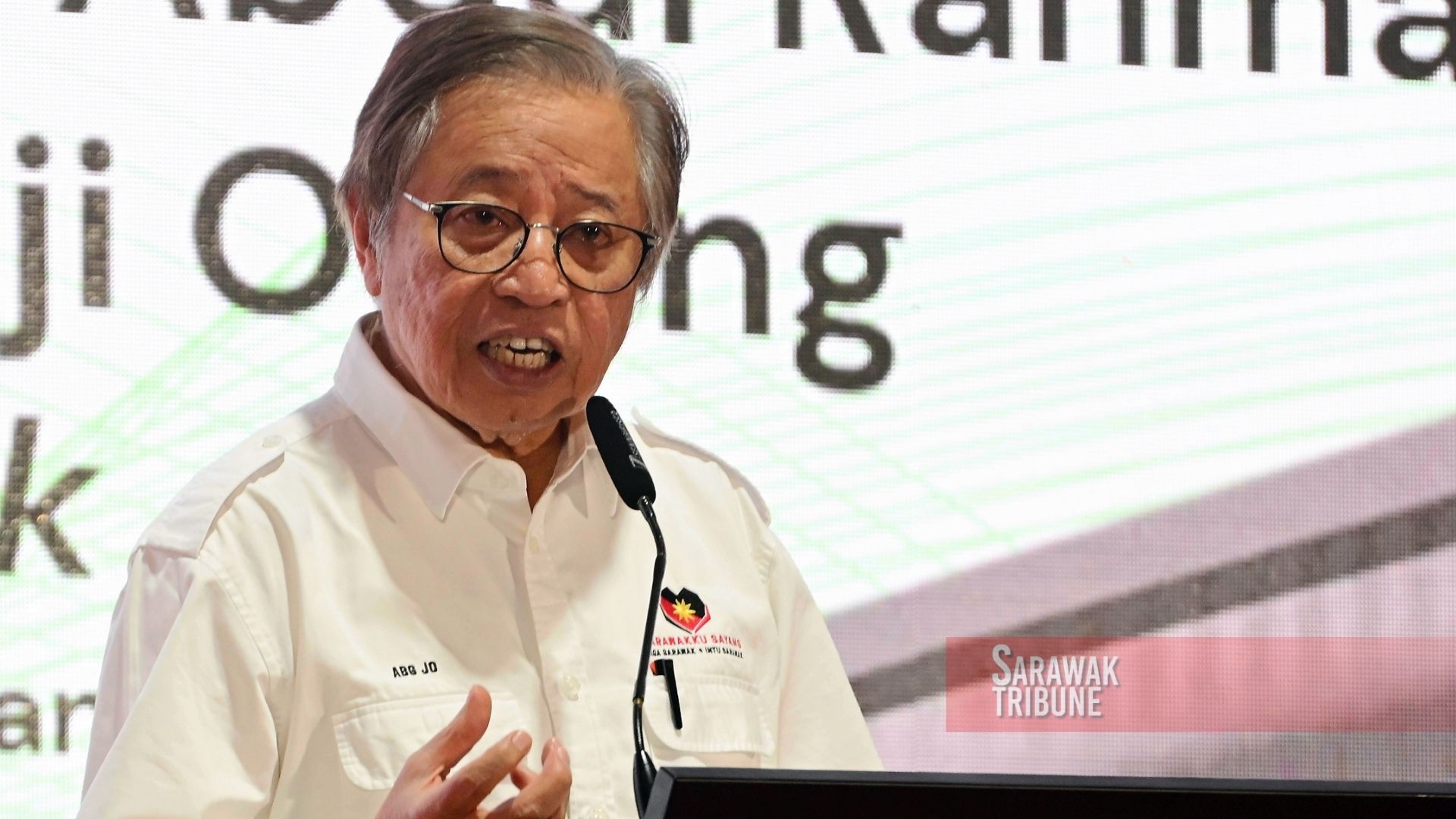
Minister for Education, Innovation and Talent Development (MEITD), Datuk Seri Roland Sagah Wee Inn, said the park, championed by Premier Datuk Patinggi Tan Sri Abang Johari Tun Openg as a catalytic project under the Post COVID-19 Development Strategy (PCDS) 2030, was conceptualised to translate Sarawak’s research and biological assets into high-value industrial growth.
“In other words, the SBP is where promising bio-innovations can mature beyond laboratory research and become commercially viable products.
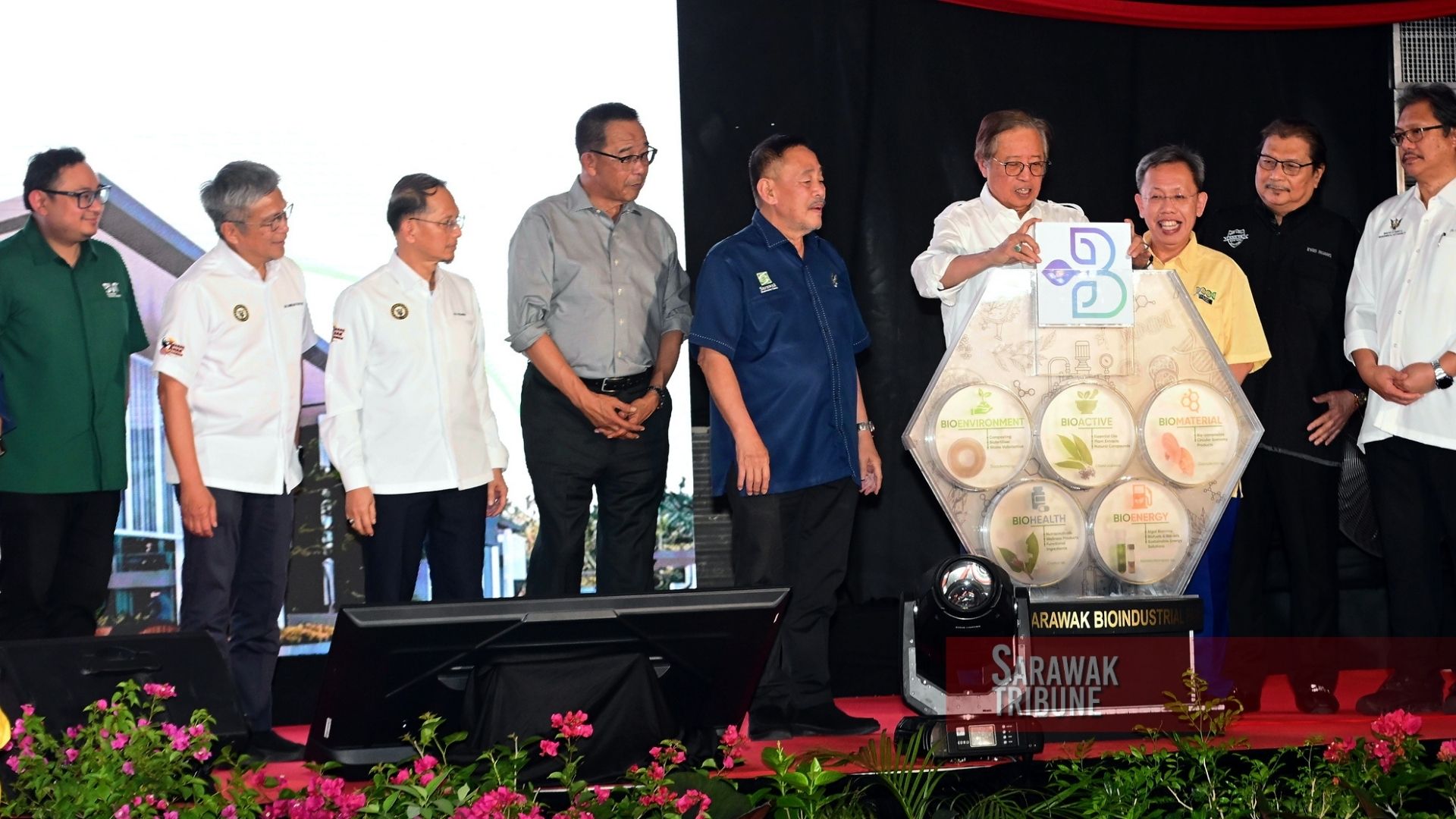
“For industries, particularly bio-based start-ups, SMES, nutraceutical and technology companies, the SBP serves as an accelerator that can significantly address the barriers to commercial innovation.” he said in his speech at the foundation laying and exchange of agreements ceremony for SBP, Kota Samarahan here today.
He added that the industrial environment would also enable universities and research institutions to better align their research with market demands, ensuring scientific discoveries progressed towards prototypes, validation and intellectual property that directly served industry needs.
Sagah said Sarawak had consistently invested in research and development (R&D), particularly in understanding and conserving its unique biodiversity.
He said the Sarawak Biodiversity Centre (SBC) had established one of the region’s valuable collections of biological resources and scientific knowledge, alongside traditional knowledge of indigenous communities.
“Today, SBC has built up an extensive Natural Product Library comprising more than 29,000 plant extracts, 24,000 microbial strains, more than 600 algae strains and other valuable biological resources,” he added.
According to him, these collections provided researchers with opportunities to discover new compounds and develop technologies for applications in healthcare, agriculture, food, biomaterials and environmental sustainability.
He said biotechnology was increasingly multidisciplinary, converging with artificial intelligence, automation, advanced manufacturing and digital technologies.
“Future breakthroughs will come from integrating these different fields rather than working within their own isolated boundaries,” he added.
He said the ministry’s research agencies, including SBC, the Sarawak Research and Development Council (SRDC), Sarawak Infectious Disease Centre (SIDC) and CRAUN Research, had been placed under a clear direction to strengthen Sarawak’s R&D agenda.
He added that BioVerde Technologies Sdn Bhd (BVT) would support the ecosystem by identifying, developing and commercialising promising R&D outcomes generated by agencies under the ministry.
Sagah also stressed that the success of SBP would depend not only on facilities and technology but also on the quality of talent driving innovation within its ecosystem.
“We want to produce a workforce that is also well-versed in commercialisation, regulatory requirements, and global market expectations. This will be the generation of Sarawakians who will drive the bioeconomy as future innovators and industry leaders,” he said.
“SBP provides an ideal platform to achieve this where SBC and BVT will work together to offer opportunities for industry-led innovation projects within an industrial environment.”
He added that Sarawak would also continue safeguarding its biodiversity through the implementation of Access and Benefit Sharing, ensuring benefits arising from its utilisation were shared fairly with communities that had preserved the resources for generations.
“The foundation laying ceremony we witness today symbolises more than the start of a construction project. It marks the beginning of a new platform that will connect education, research, innovation and industry in ways that create lasting value for Sarawak,” he stressed.