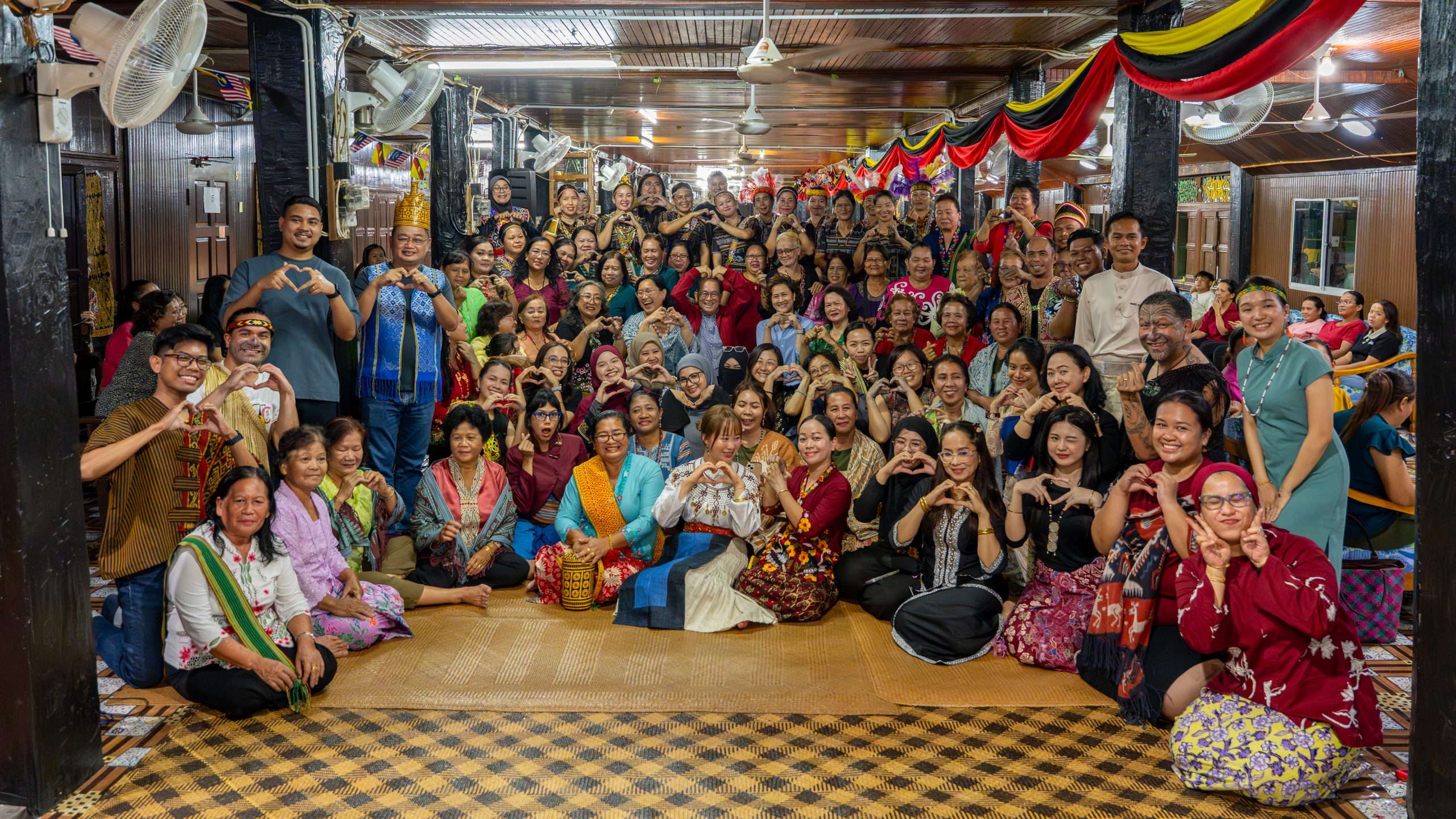
Borneo Interwoven 2026 brought together craftspeople, designers and visitors from around the world to share traditional skills, experience longhouse life and celebrate Borneo’s rich textile heritage.
Borneo Interwoven: Where craft, community and colour come together
When we were invited to take part in Borneo Interwoven 2026, we were thrilled by the opportunity to step beyond our urban lives and experience staying in a century-old longhouse in Sarawak while learning about its rich heritage, crafts and traditions.
As we were bringing international visitors to Sarawak for technical site visits to venues for our 2027 events, we thought it would be wonderful to extend the itinerary with a post-tour cultural experience. Thanks to Tanoti Crafts and the brilliant idea of its founder Datuk Jacqueline Fong, we were able to join this unique gathering.
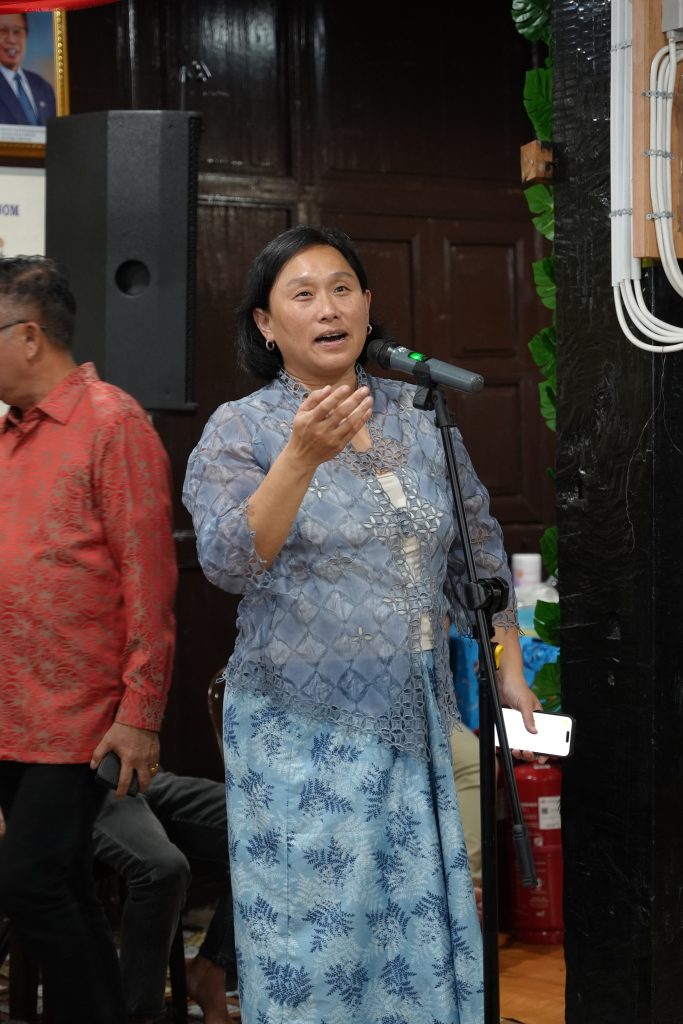
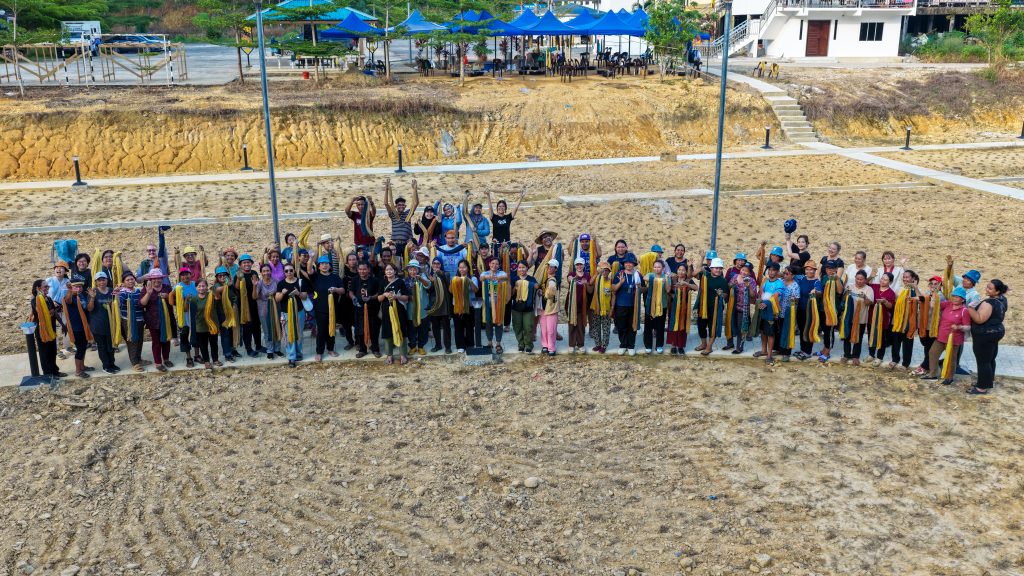
Held for the first time at a longhouse in Rumah Penom, Spaoh, the five-day Borneo Interwoven brought together around 140 participants, including weavers, dyers and fibre makers from across Borneo, as well as designers, funders and researchers. It was an international gathering centred on the sharing of skills, stories and the slow, meticulous knowledge embedded in traditional craft.
From this convergence of voices and cultures, ancient textile traditions found new possibilities for a renaissance.
Living under one roof with participants from 14 different nationalities also taught us far more than we had expected.
Our journey itself was an adventure. The intense heat was something we had to overcome, but the long drive offered spectacular glimpses of Sarawak’s landscape. Along the way, we crossed the Batang Lupar Bridge, adding another memorable moment to the journey.
At one point, travelling by van, we reached what appeared to be a dead end, with only a footbridge ahead. Unsure where to go next, we were fortunate when a police patrol car appeared and came to our assistance, escorting us back towards the correct road.
Eventually, the winding journey led us to Rumah Penom, where Fong welcomed us with her trademark warm smile.
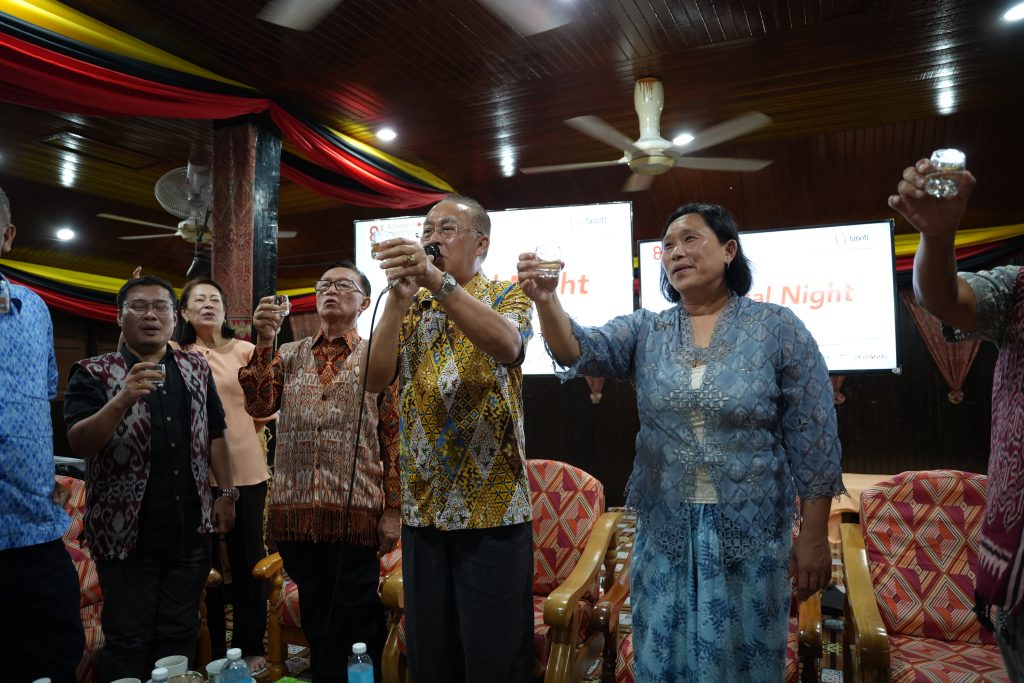
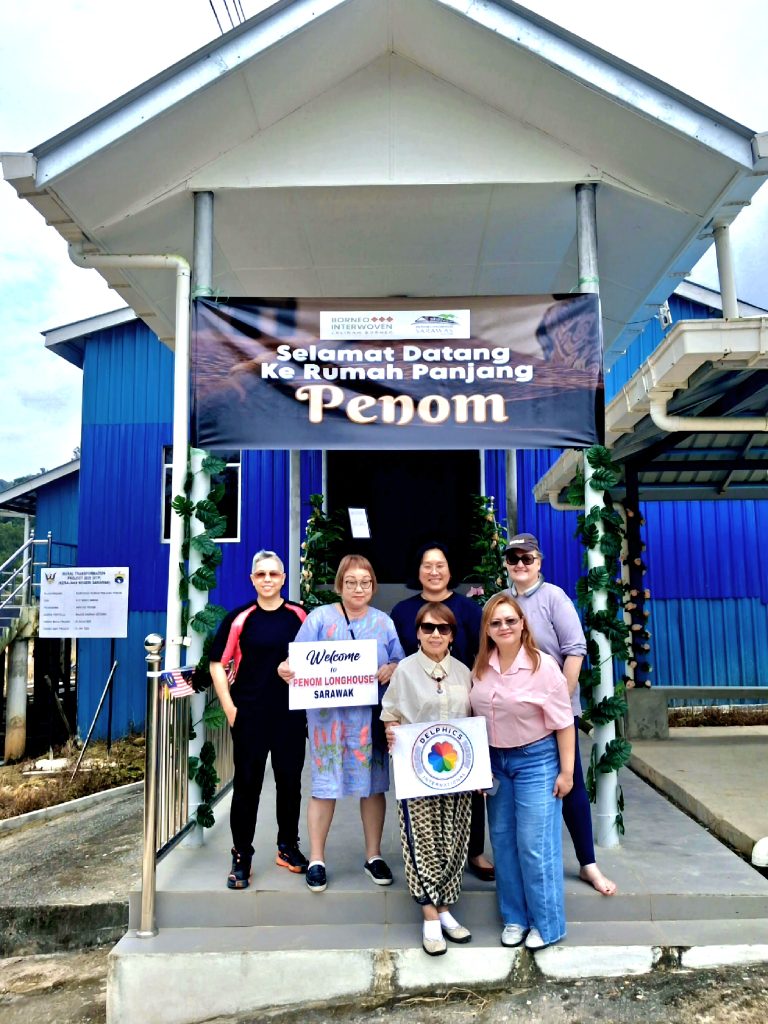
The tuai rumah (longhouse chief) and his community opened the ruai, the long communal gallery of the longhouse, to us for the duration of the gathering. From morning until evening, the community warmly welcomed participants and visitors, with food being served throughout the day. There seemed to be several meals every day, which was a wonderful reflection of Sarawakian hospitality.
The longhouse consists of individual rooms, while the ruai became the heart of the gathering. Exhibitions featuring local and international exhibitors were arranged along the communal gallery, allowing visitors to move through the displays while experiencing the daily rhythm of longhouse life.
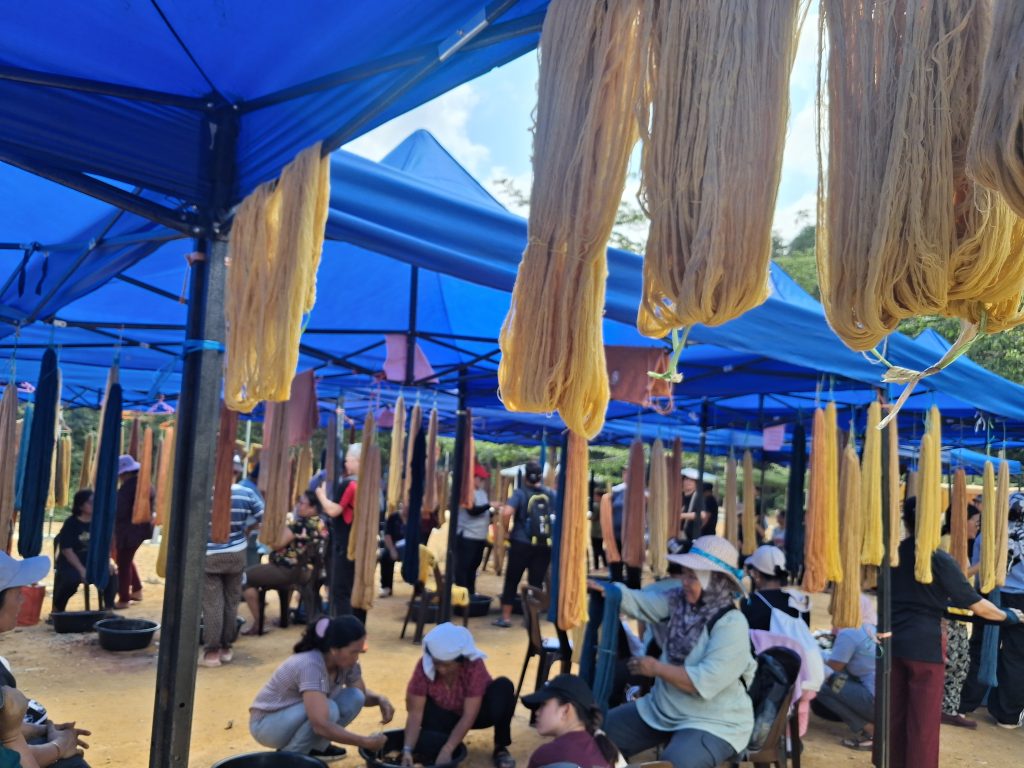
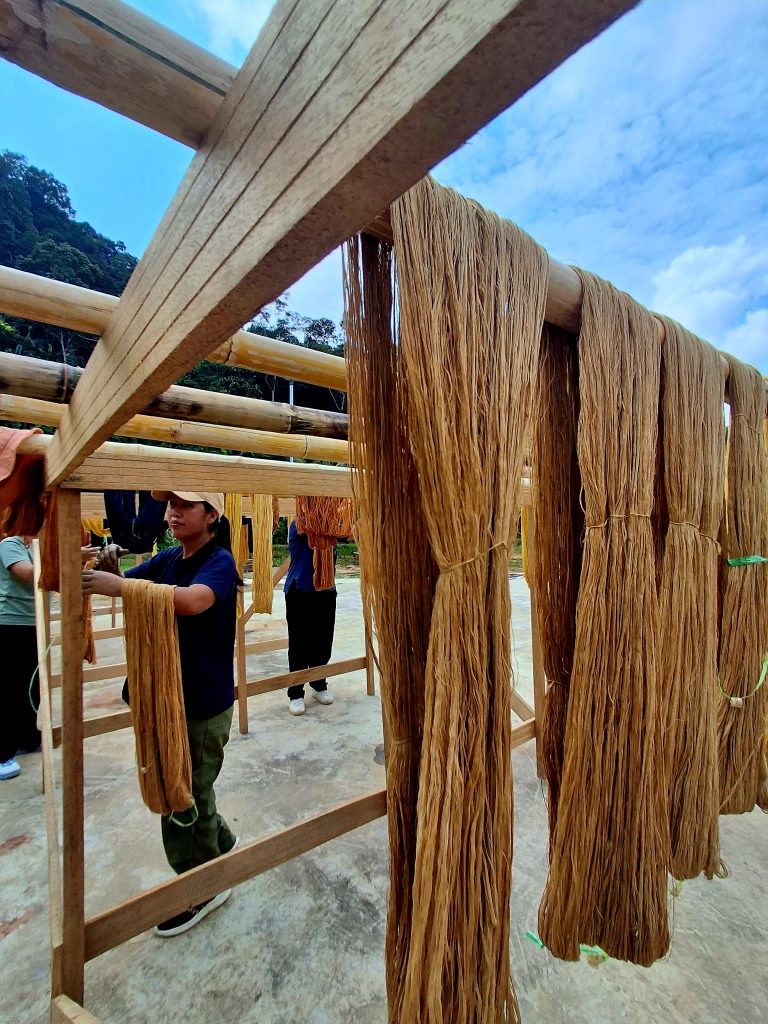
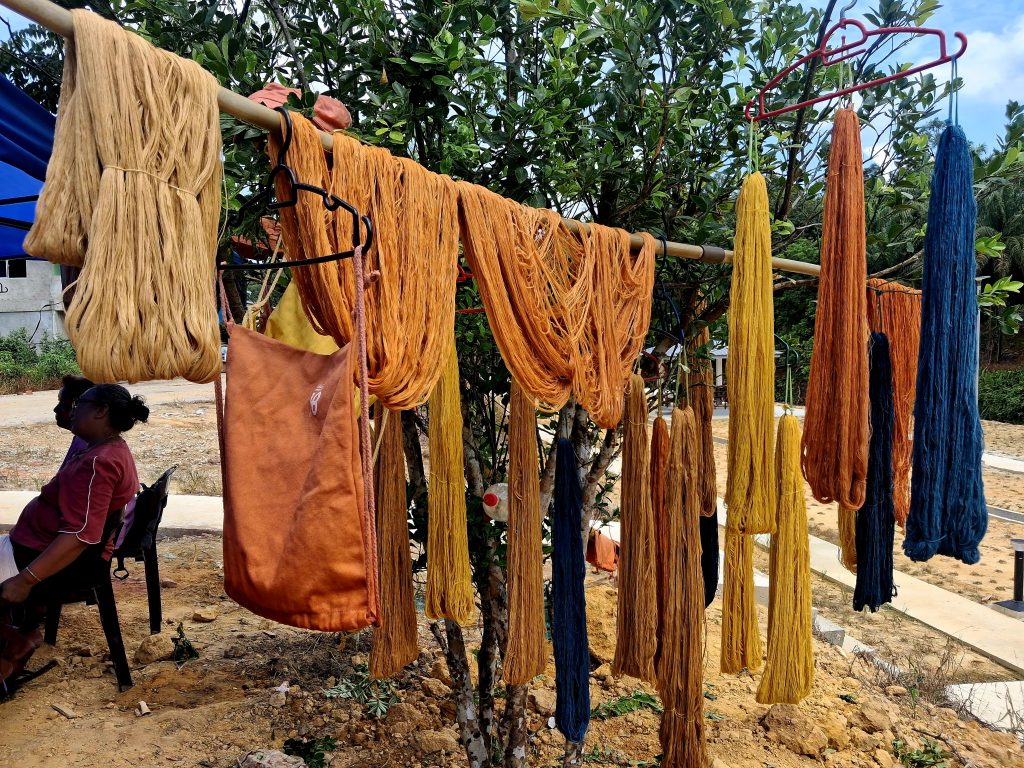
One of the highlights was the natural dyeing programme. Despite the strong afternoon heat, we walked into the longhouse yard, where participants had gathered under bright blue tents. It was quite a sight. Yarns in their natural colours were displayed alongside vibrant blues, yellows and earthy tones, creating a colourful landscape against the surrounding greenery.
Hands were stained blue and other earthy shades as participants worked with natural dyes. We were told that the colour could eventually be removed, so there was no need to worry about permanently walking around with blue hands!
Some participants also experimented with dyeing T-shirts, which were hung under the hot sun to dry.
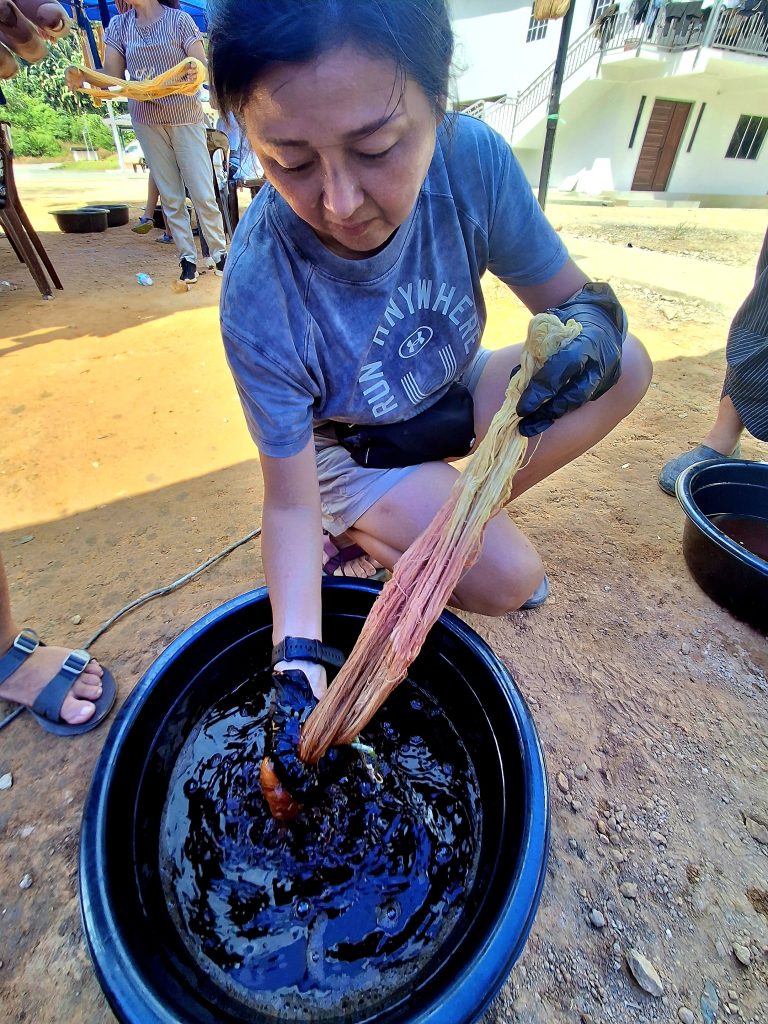
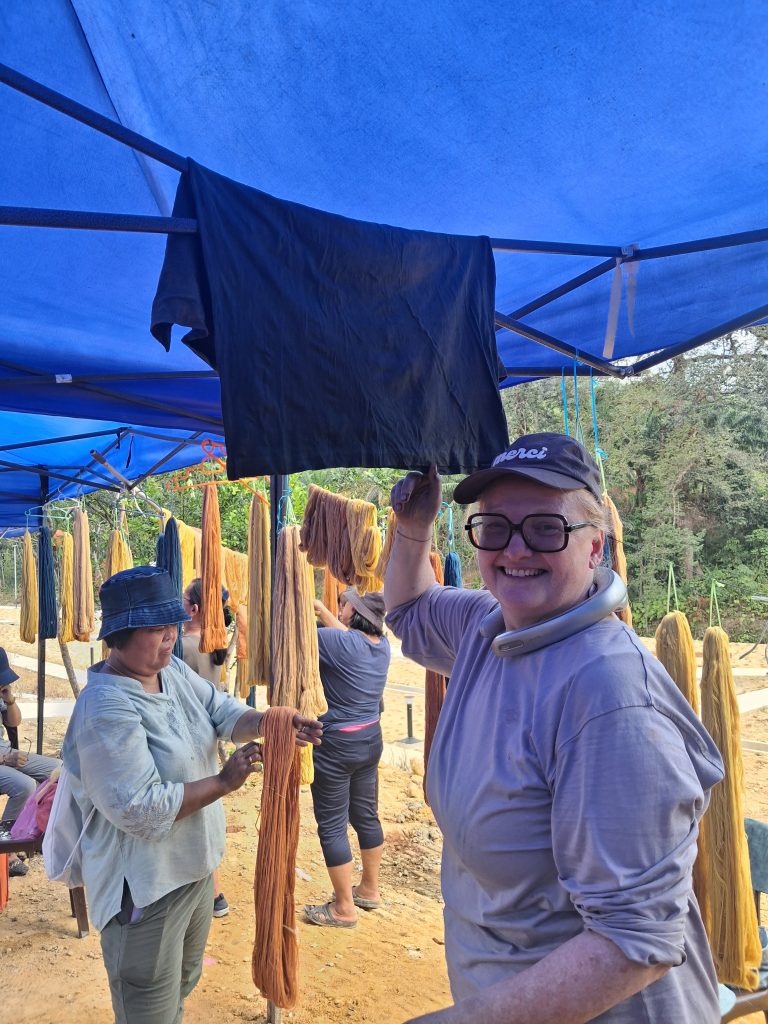
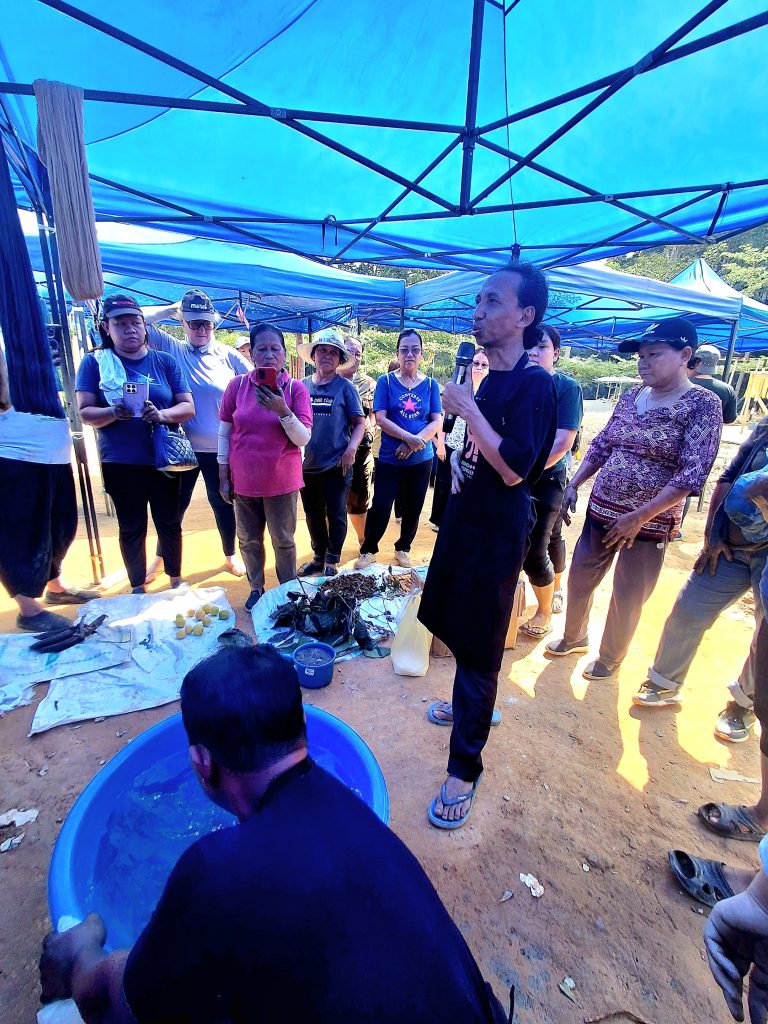
What was particularly interesting was the diversity of people taking part. They were not all professional artisans. While experienced demonstrators guided the workshops, many participants came from completely different professional backgrounds, including medical personnel and others whose everyday lives were far removed from traditional craftsmanship.
The botanical dye workshops saw an Indonesian team from WARLAMI showing the fascinating world of plant-based dyes and the possibilities of transforming natural materials into colour.
The programme continued with a mineral dye workshop, bringing the dyeing series to a close on Day Five.
The final two days were dedicated to the conference, while the exhibition and marketplace remained open throughout the four core days of the gathering.
The final day, July 31, was the official VIP Day, featuring a welcoming ceremony with conference sponsors and stakeholders, keynote presentations, panel discussions and roundtables, business matching, and a closing dinner combining cultural networking and fellowship.
Fong expressed her appreciation to everyone who supported Borneo Interwoven, including BE Sarawak through the Sarawak Business Events Fund (SBEF); Maybank Foundation, as workshop partner under the Maybank Women Eco-Weavers Programme; Jabatan Pembangunan Wanita, under the PERANTIS (Program Perantisan Kepimpinan Wanita) programme; and JKKK Rumah Penom for opening their longhouse to participants and extending such warm hospitality.
What made Borneo Interwoven particularly meaningful was the way it brought tradition and contemporary participation together.
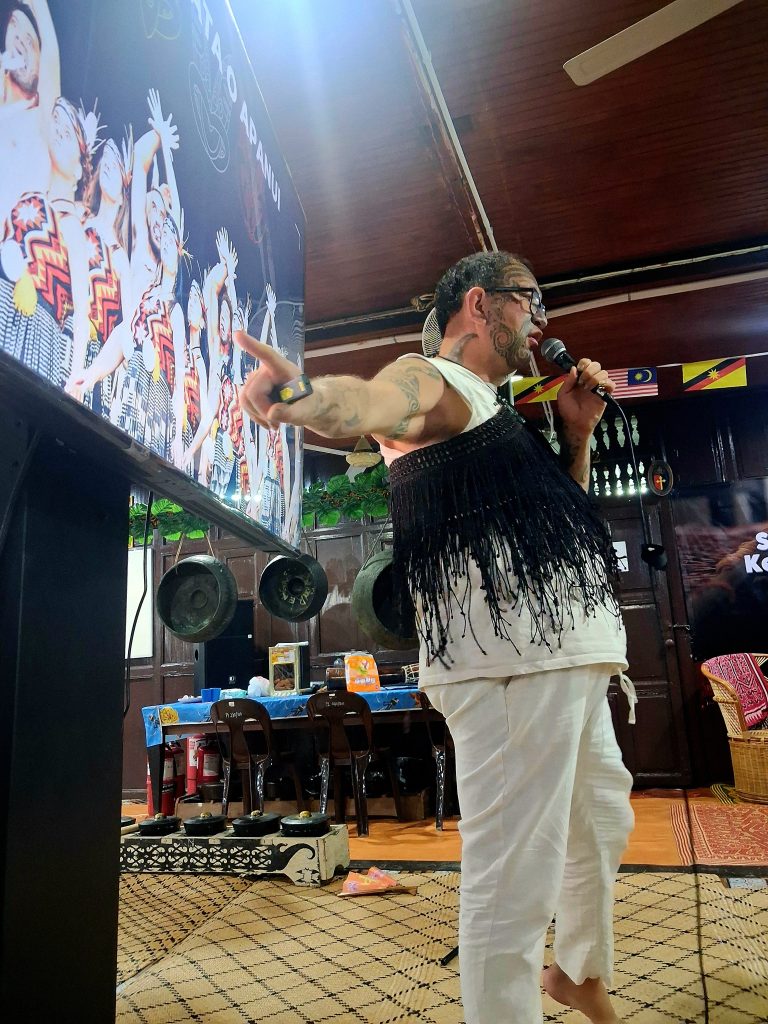
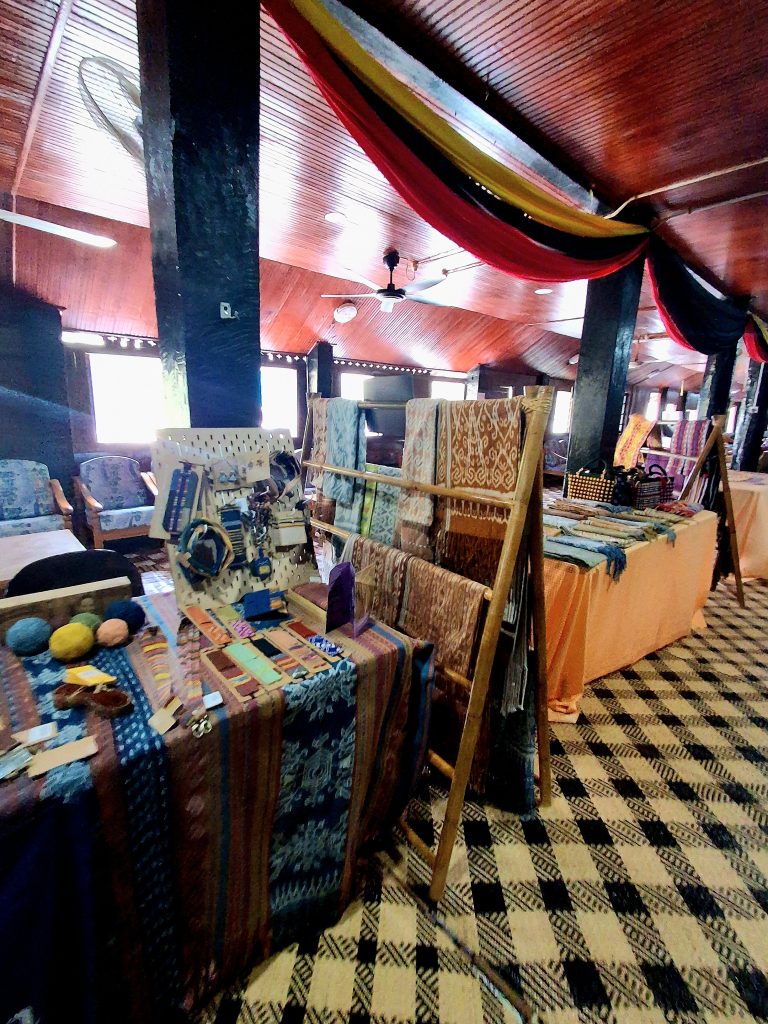
Within the walls of a century-old longhouse, ancient knowledge was not simply being displayed; it was being shared, practised and experienced by people from different professions, cultures and generations.
The true strength of traditional craft lives not only in the finished textile, the colour of a naturally dyed yarn or the intricate skill of a weaver, but in the stories, knowledge and human connections behind them.
For those of us who arrived as urban visitors, Borneo Interwoven offered much more than a glimpse into traditional crafts. It gave us the opportunity to slow down, listen, learn and appreciate the communities that continue to keep these traditions alive.
In the end, it was also about connection between generations, cultures and people, and ensuring that the rich textile heritage of Borneo continues to have a future.