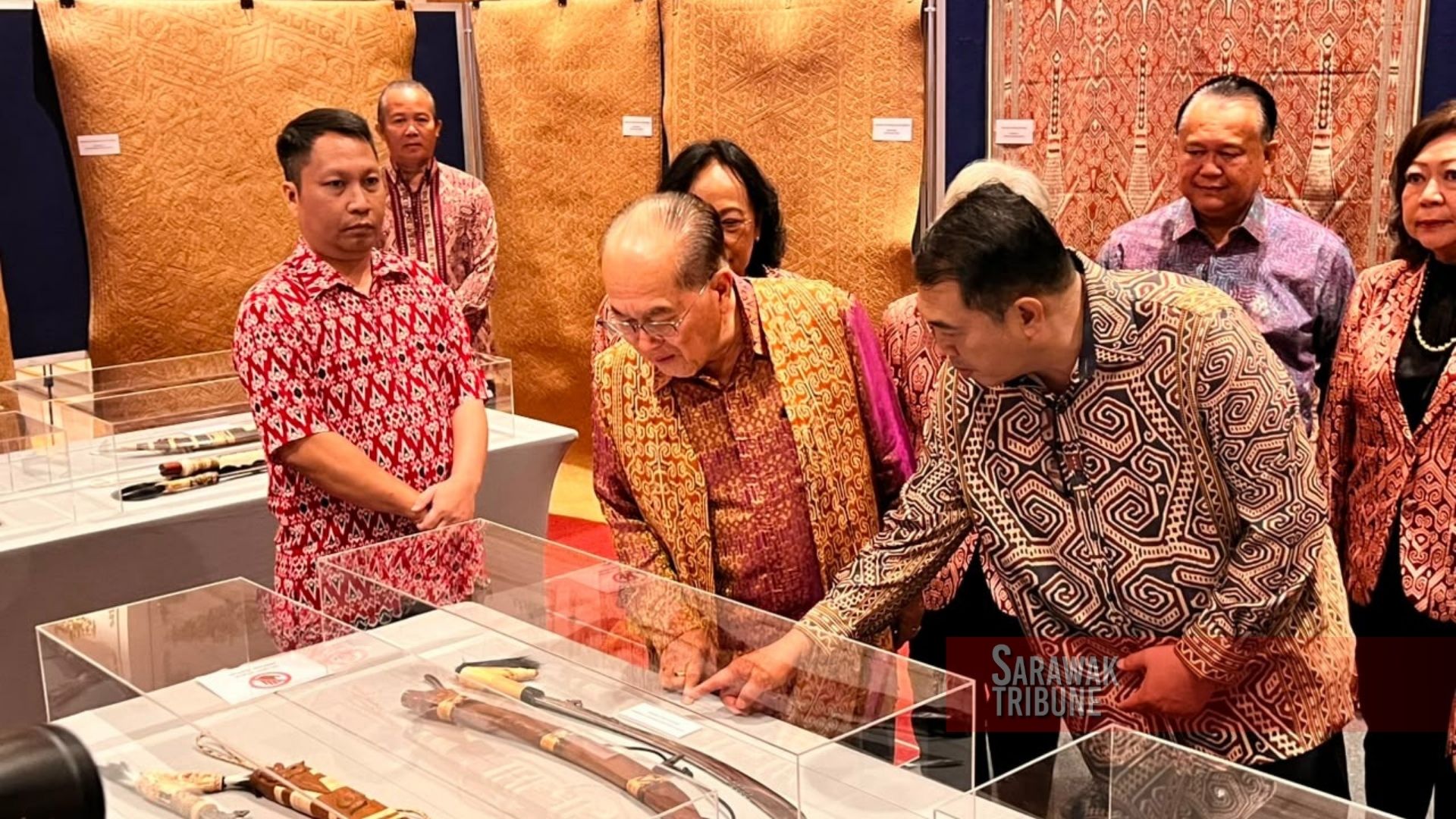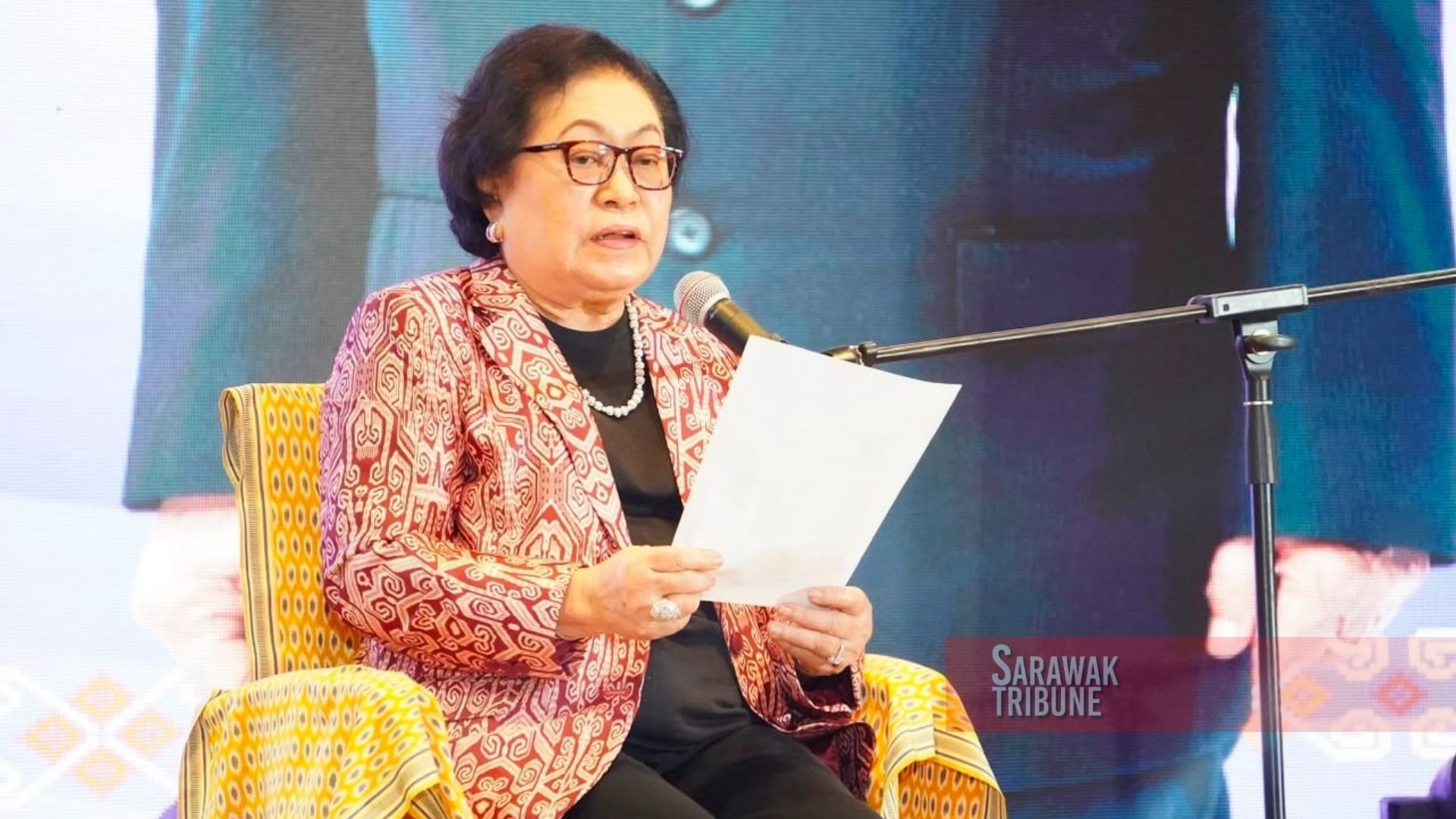
It only took a visit to the Borneo Cultures Museum for internationally renowned Chinese haute couture designer Guo Pei to discover something she had never encountered in decades of working with textiles around the world.
Reflecting on her first visit to the Borneo Cultures Museum, Guo described it as an experience that resonated deeply with the inspiration she had been searching for.
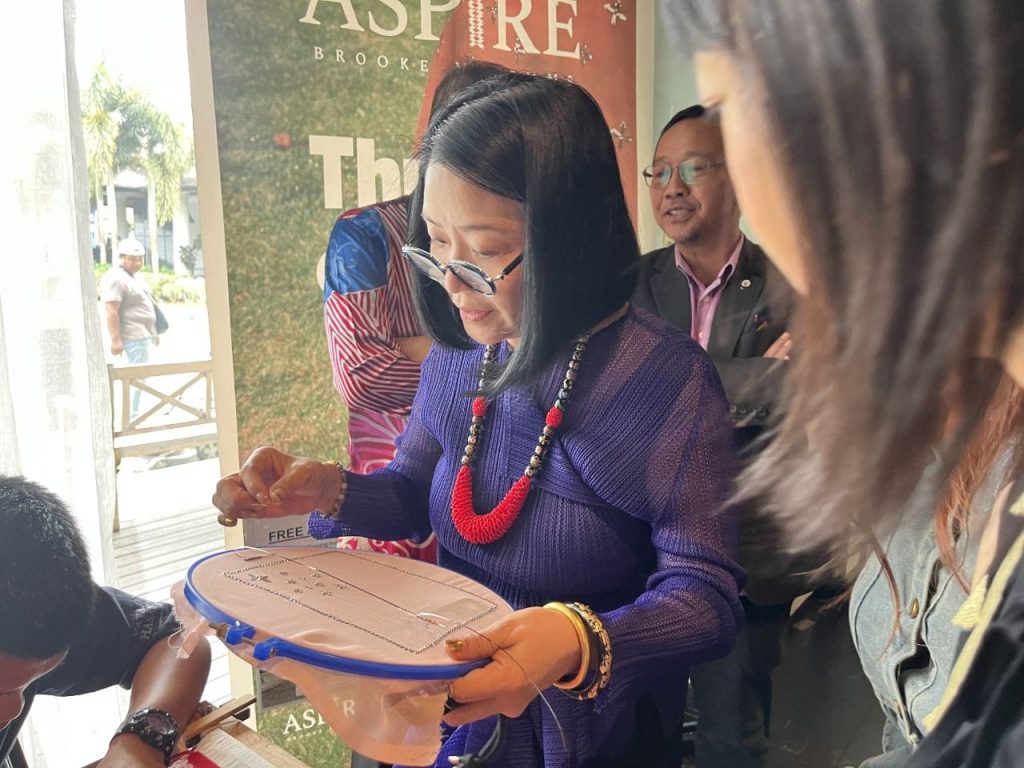
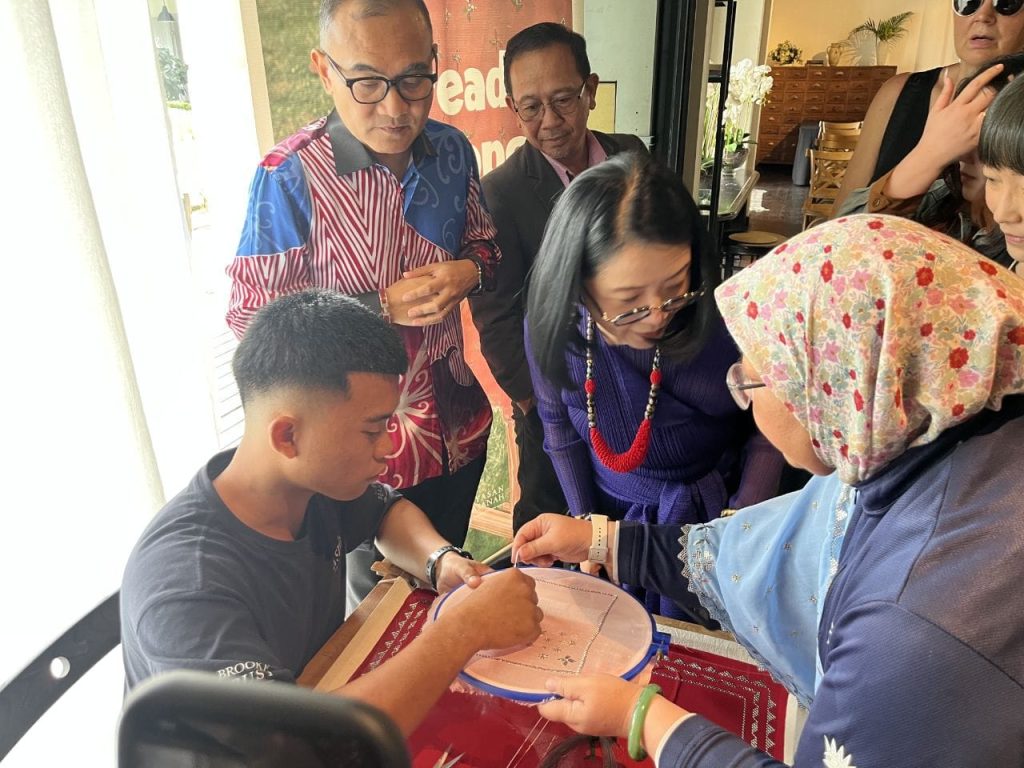
Among the museum’s treasures, it was Sarawak’s keringkam, painstakingly embroidered with gold and silver threads, that left the deepest impression.
For a designer whose creations have graced museums and runways across continents, the delicate craft sparked an unexpected idea.
It also sparks her hope to one day collaborate with Sarawak’s artisans by blending the state’s keringkam with China’s centuries-old textile traditions.
“I have visited many exhibitions in Kuala Lumpur but the exhibition in Borneo captured my attention more because it aligned closely with the inspiration I was seeking.
“This art form is unlike anything I have seen in China or anywhere else in the world, including Italy, Switzerland and France.
“I believe keringkam is truly unique and fascinating because its creation requires exceptional skill and highly refined techniques,” she said.
The visit, she added, opened her eyes to cultural elements that could shape her future collections, and she hopes to one day present her work in Kuching while incorporating local influences into her designs.
“I came here because I wanted to understand and engage with the local culture, as I believe it is an excellent way to communicate and bring together people from different backgrounds,” she added.
The celebrated couturier hopes the intricate beauty of keringkam can one day be woven together with Chinese textile techniques to produce creations that honour the heritage of both cultures.
“I hope that in the future, I will have the opportunity to work with local artisans to create a piece through the exchange of cultures and artistic skills,” she said.
Beyond showcasing her creations, Guo also hopes her journey can inspire aspiring designers.
“I hope to share my experience in this industry with young people so they will continue striving, remain committed to their goals and pursue careers in this field.
“I also want to encourage them and help them recognise the value of the work they create,” she said.
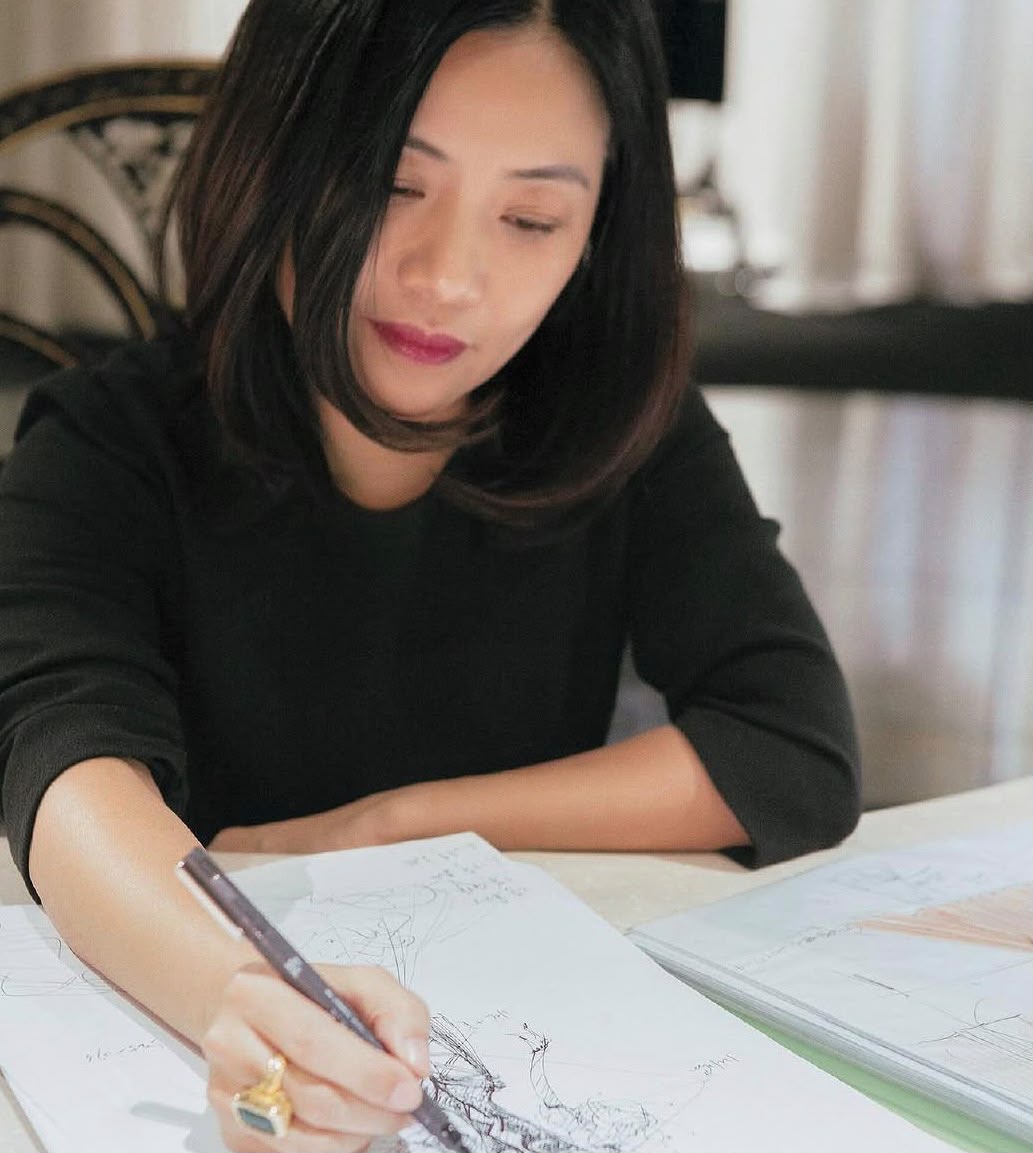
Guo is widely regarded as one of China’s foremost haute couture designers and has spent more than three decades building a career that bridges Eastern heritage with Western haute couture traditions under her design philosophy of “Eastern learning as root, Western learning as application.”
Her fascination with fashion began in childhood after she was captivated by the embroidery on her grandmother’s wedding dress, an early memory that inspired a lifelong passion for intricate craftsmanship.
After graduating as the top student from one of China’s earliest fashion schools, she spent a decade designing for a leading ready-to-wear label in Beijing before establishing Rose Studio in 1997 and later launching the GUO PEI label.
Her creations have since been exhibited in more than 25 countries, while she became the first and only Chinese haute couture designer invited to join the Fédération de la Haute Couture et de la Mode (FHCM).
She also appeared on the official Paris Haute Couture Week calendar for five consecutive years and presented 10 successive haute couture collections in Paris between 2015 and 2020.
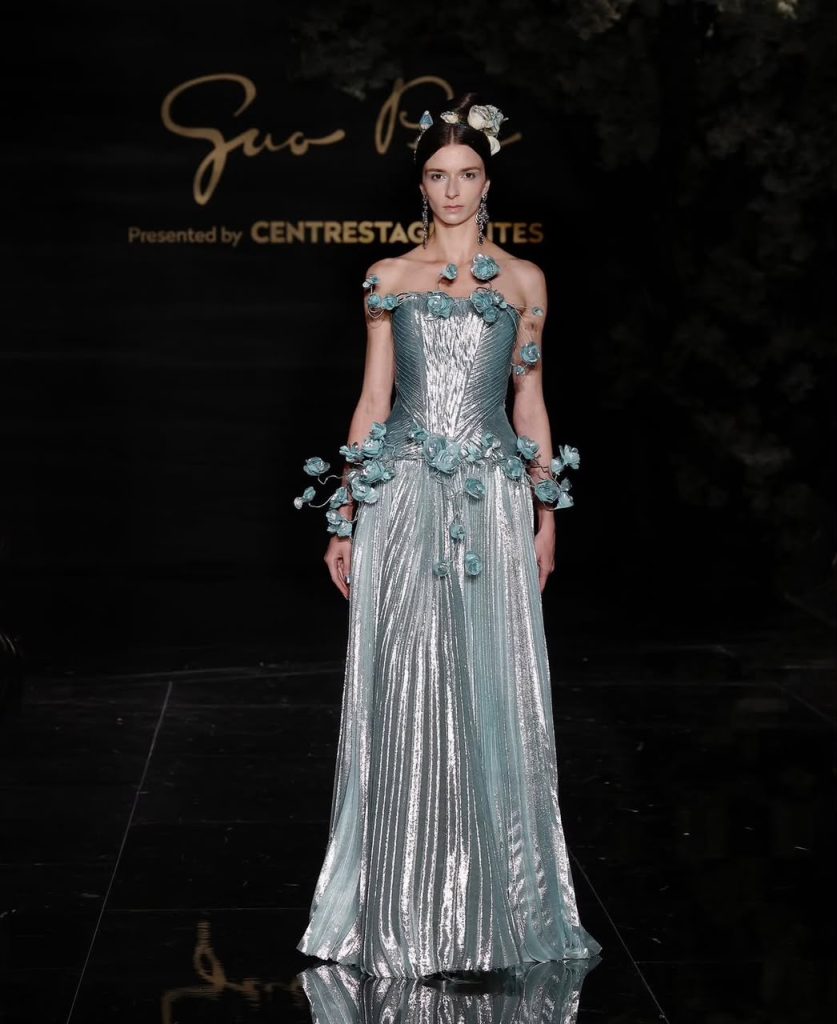
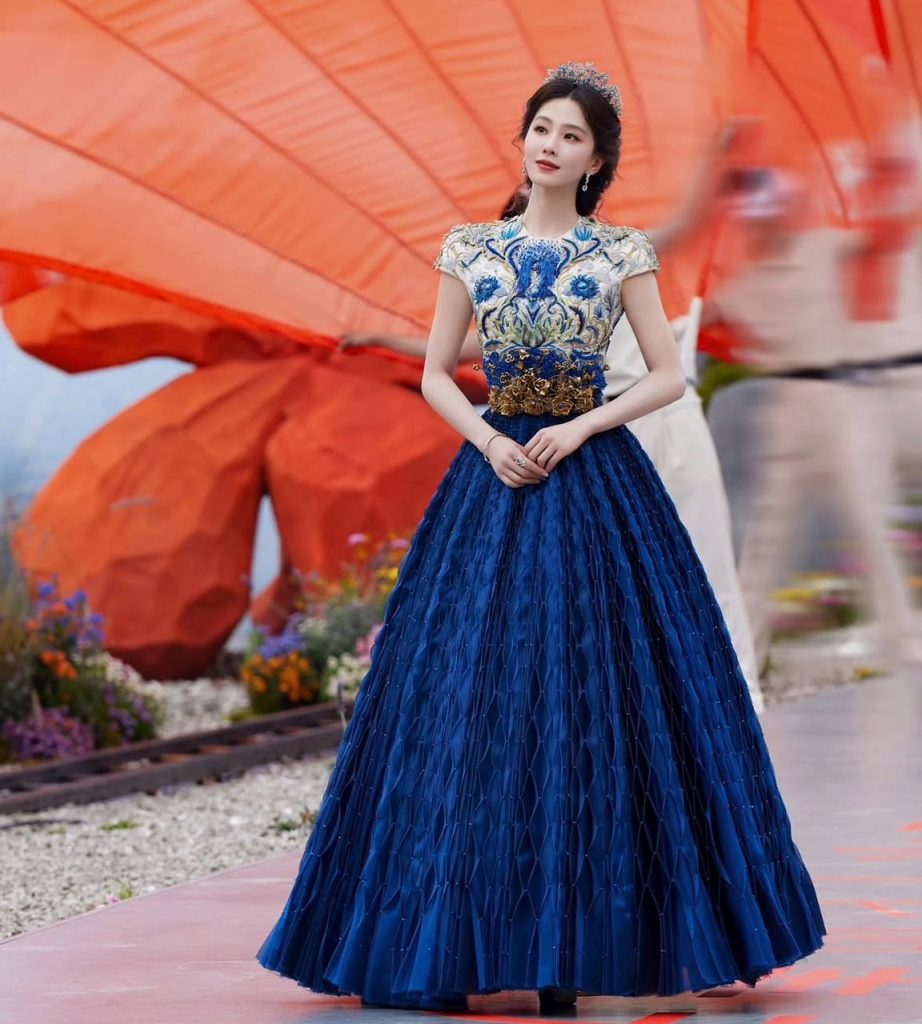
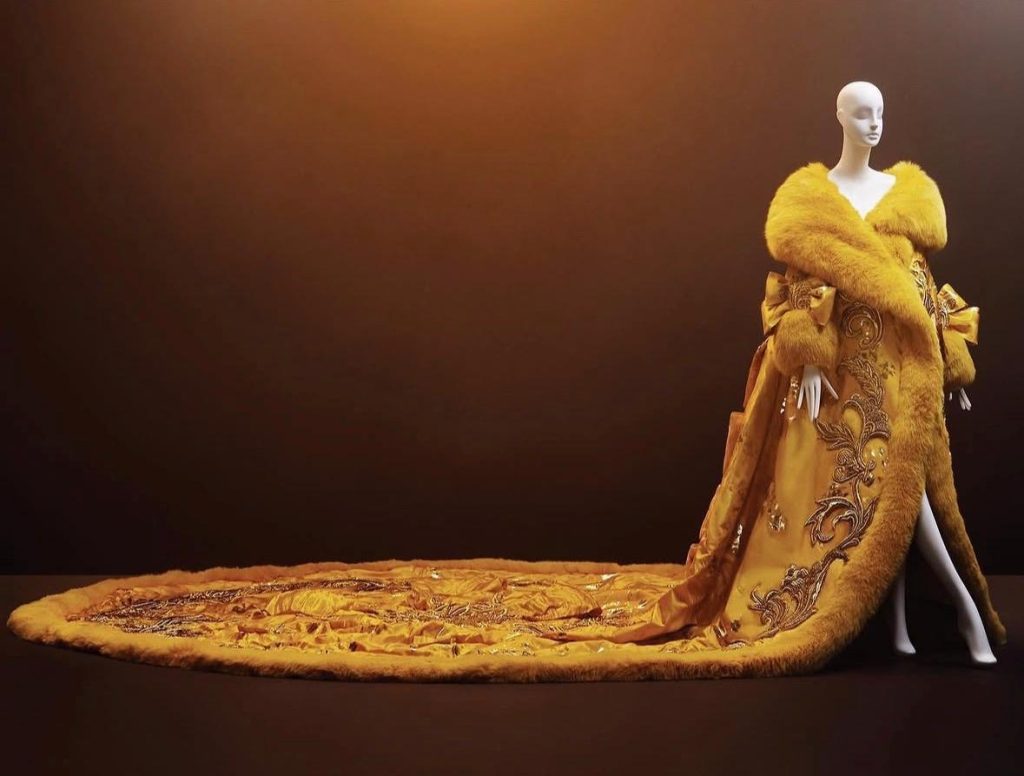
She gained worldwide recognition in 2015 after international singer Rihanna wore her iconic golden-yellow haute couture gown featuring a five-metre train at the Met Gala held at the Metropolitan Museum of Art.
Throughout her career, she has also collaborated with leading museums and cultural institutions around the world to showcase the beauty of Chinese culture through her artistic creations.
These include the Metropolitan Museum of Art in New York, the Musée des Arts Décoratifs, the Victoria and Albert Museum, the Asian Civilisations Museum and the Fine Arts Museums of San Francisco.
Yet despite a career that has taken her across the world’s fashion capitals, it was a centuries-old Sarawak craft that offered Guo her latest source of inspiration, one she hopes will one day be transformed into a shared work of art between two cultures.