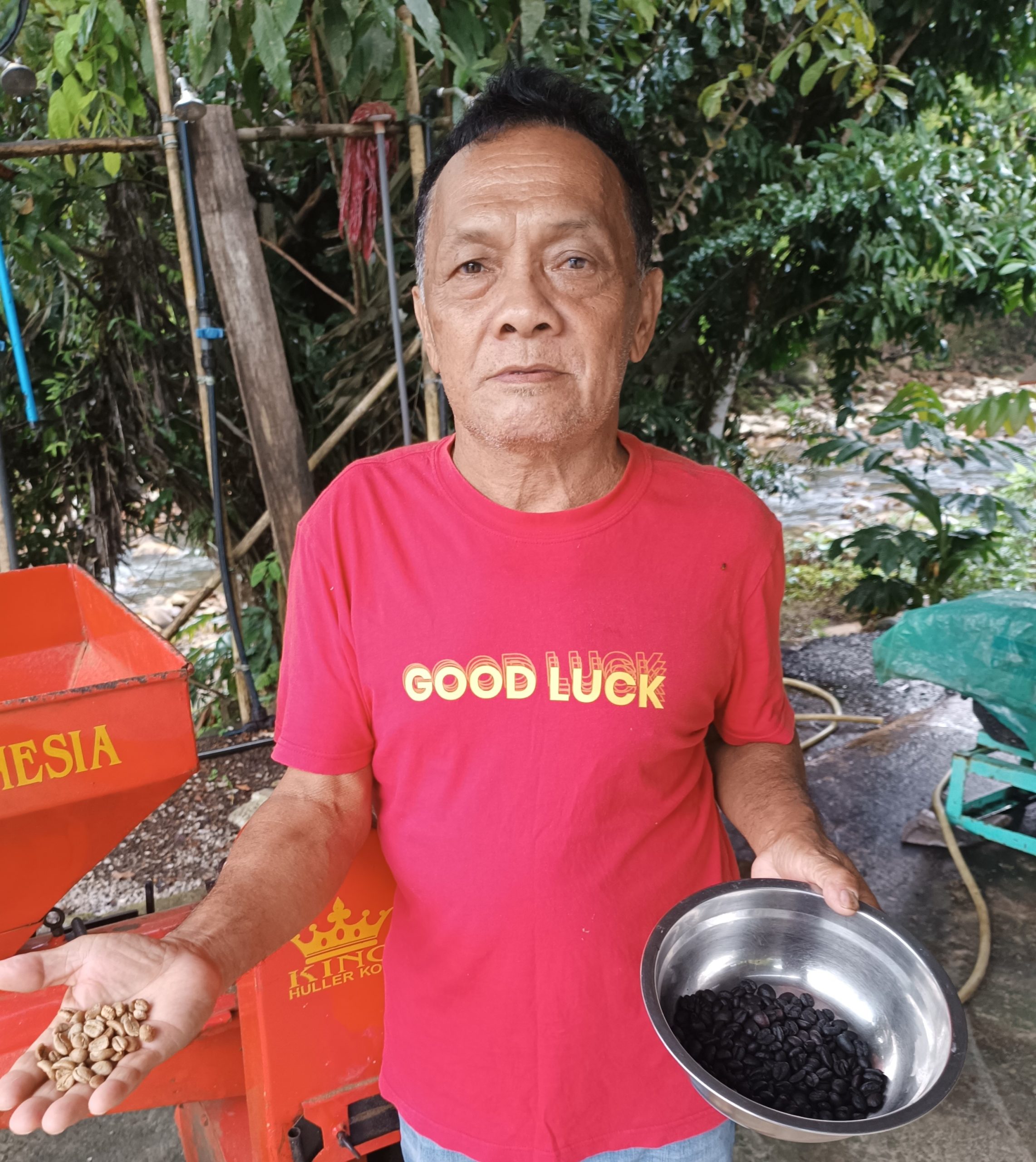
What began as a childhood introduction to silat from his father has grown into a passion for 24-year-old Aeqal Zuhayl Abdul Rahman, who now shares the martial art with a new generation.
Aeqal, from Kuching, started learning silat at the age of 11 under his father, a former Sarawak silat champion in the Class C category, who encouraged him to take up the martial art.
His early training took place at home, where he practised on the ground and grass beneath their wooden house.
“My first training was with my father. At that time, I felt bored because I did not understand what he was teaching me.
“He would always tell me to lower my kuda-kuda and make it firmer. Eventually, I came to understand what kuda-kuda meant,” he said.
In silat, kuda-kuda refers to the stance or position of the legs and body, with practitioners lowering their stance and maintaining a firm position.
His father taught him the basics of self-defence, bunga movements and other silat techniques before Aeqal sought to expand his knowledge.
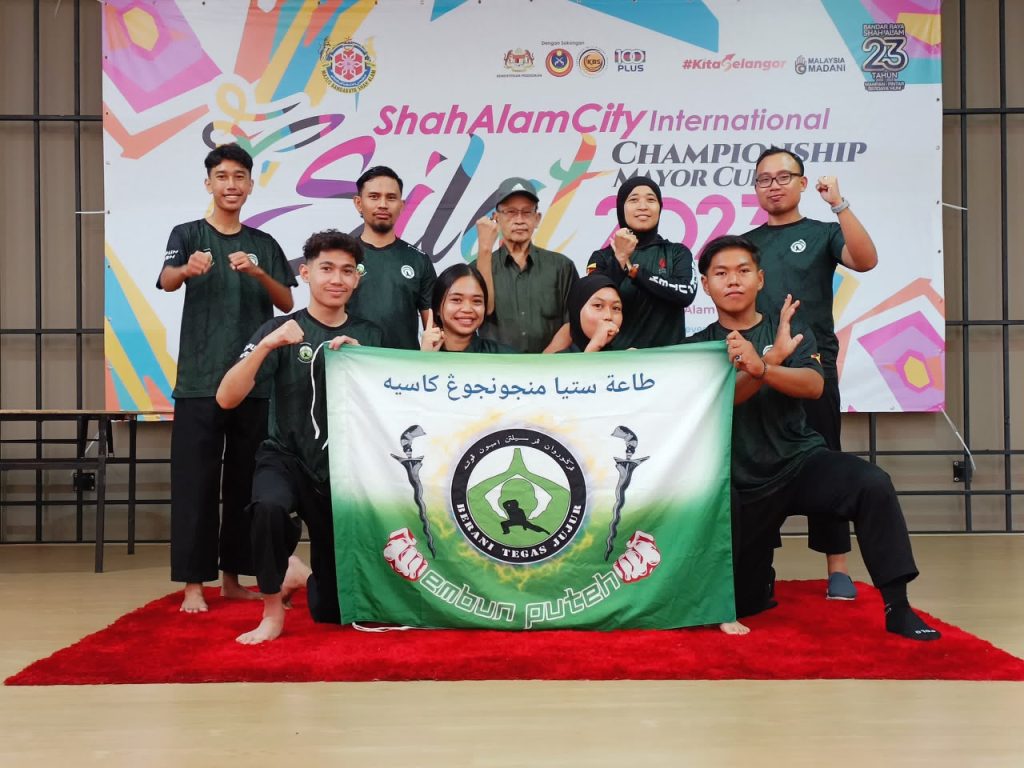
At 13, he followed a friend to learn another form of silat, Embun Putih, under the Rumpun Silat Sarawak club.
Unlike some of his siblings, Aeqal was the only one among the four to pursue silat seriously.
As he grew older, the discipline required by the sport gradually became part of his daily routine, with training taking place up to five times a week.
He admitted that there were times when he considered giving up because of the physical demands of training.
“When I was younger, I sometimes felt like giving up because silat was tiring and required a lot of stamina.
“But I pushed myself to continue training and eventually realised that silat had taught me discipline, not only in training but also in my daily life,” he said.
His father also played an important role in keeping him motivated, often reminding him not to give up easily.
That perseverance was soon tested when Aeqal began competing.
A first tournament and a proud moment
Aeqal’s first tournament in Mukah marked one of the most meaningful moments in his journey as a silat practitioner.
Competing for the first time, he managed to finish third — an achievement that gave him confidence as he began his competitive career.
“That was my first tournament and I felt very proud to finish third,” he said.
He later represented Sarawak in Shah Alam, Selangor where he finished fourth despite undergoing intensive preparation for the competition.
Rather than seeing the result as a setback, Aeqal viewed it as motivation to continue improving.
His commitment to silat also meant learning to balance training with his education. While preparing for his SPM examinations, he had to divide his time between studying and training for a competition in Pontianak, Indonesia.
His competitive journey eventually took him across the border to Indonesia, where he participated in tournaments in Singkawang and Pontianak in West Kalimantan.
The experiences gave him a different perspective on the sport, particularly after witnessing how seriously silat practitioners trained there.
Describing the experience as a “culture shock”, Aeqal was struck by the skills, discipline and commitment of the athletes and trainees he encountered.
The experience made him realise that progressing in silat required more than simply attending training. It also demanded consistency, discipline and a willingness to keep improving.
From competitor to coach
After years of learning and competing, Aeqal eventually found himself on the other side of the training floor — as a coach.
At 21, he was appointed as a trainee coach by his own teacher, despite initially feeling that he was not qualified enough to teach others.
“He gave me his trust because he had seen my abilities, so I just followed the flow,” he said.
His first experience teaching younger trainees was challenging as he was unsure where to begin.
With guidance from his teacher, he started with the basics he had learned himself, including bunga, kuda-kuda, punching techniques and self-defence.
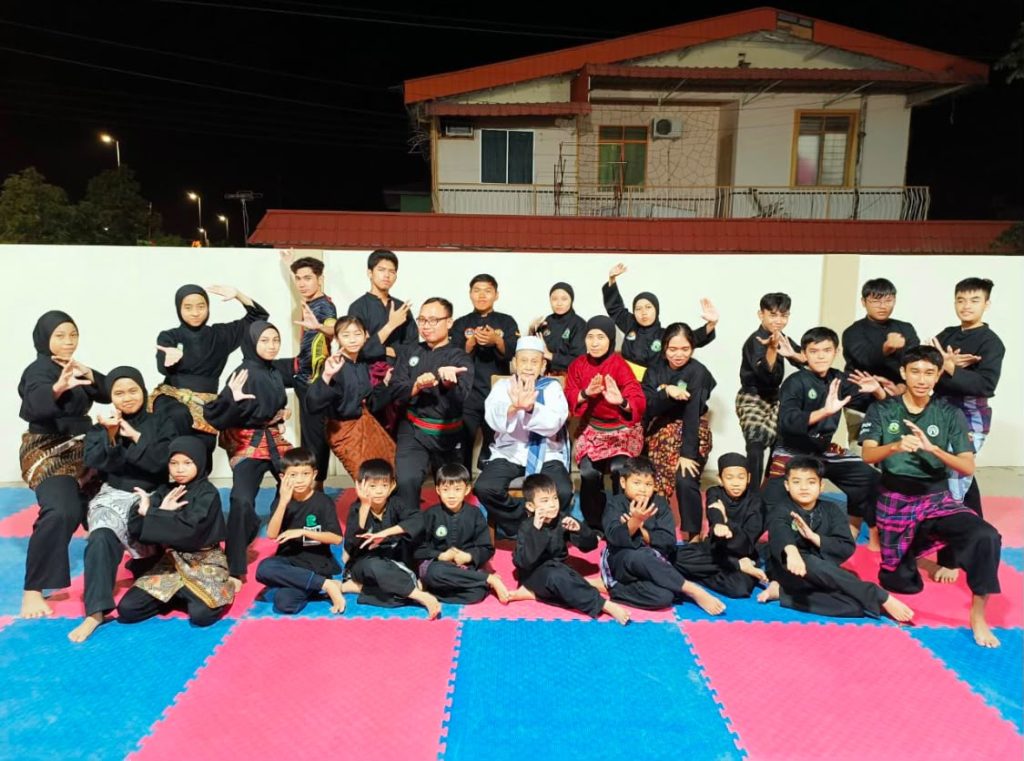
Today, Aeqal teaches more than 15 trainees, most of whom are aged above 10, while the oldest are around 22 or 23.
He describes his coaching approach as gentle but firm, believing that communication is important when working with young trainees.
“I believe students should not be treated too harshly. Communication needs to be gentle so that they can understand and respond better,” he said.
For Aeqal, coaching is not simply about teaching physical techniques.
He wants his students to develop discipline, set their own goals and put in the effort needed to achieve them.
He also makes sure their training does not interfere with their education, while encouraging them to jog during their free time to improve their stamina.
His approach has already begun to produce results, with one of his 22-year-old students recently finishing second in the Kuching Open tournament.
Aeqal said the achievement reflected the collective effort of the coaching team rather than the work of one individual.
Beyond physical skills, Aeqal believes silat can also instil humility and respect among young people.
“Any martial art we learn is based on discipline. We cannot be arrogant or boastful. We should never use martial arts for bad purposes. We need to remain humble,” he said.
Keeping the tradition alive
For Aeqal, teaching silat is also a way of preserving a tradition that has been passed down to him.
He hopes more young people will appreciate silat as part of Malay heritage, although he acknowledges that attracting younger generations to the martial art can be challenging.
“For me, silat is part of Malay heritage and it is also a form of knowledge,” he said.
Despite his responsibilities as a young coach, Aeqal continues to train and pursue his own ambitions.
Running has become part of his daily routine, with him setting targets for distance and pace during his evening runs. He also plays badminton and futsal occasionally.
Looking ahead, he hopes to become a world silat champion like his idol, Datuk Al Jufferi Jamari, while also pursuing a career as a manager.
As a coach, however, one of his biggest goals is to see his students achieve their own aspirations.
“I want all my students to achieve their goals. I want them to keep training and work towards their dreams.
“I do not want them to simply set goals without putting in the effort. I want them to work hard and stay disciplined,” he said.
In the longer term, Aeqal hopes to become a wasit, or judge, in silat competitions.
For young people who are hesitant to take up silat because they have no experience, his message is simple: start from zero.
“I also started from zero. We will teach you from the basics until you become skilled, as long as you are disciplined and willing to put in the effort,” he said.
For Aeqal, silat has become more than a martial art. It is a discipline inherited from his father, a responsibility he now passes on to his students and a tradition he hopes the younger generation will continue to value.