SIBU: The Ministry of Public Health, Housing and Local Government has not implemented a star rating system for housing developers in Sarawak, opting instead to publicly identify problematic housing projects.
Deputy Minister of Public Health, Housing and Local Government Datuk Michael Tiang said the ministry was currently listing problematic housing projects on its official website, including the names of the projects and developers responsible.
He said the move was part of efforts to increase transparency and public accountability, particularly by enabling potential and existing buyers to obtain clearer information on the status of housing projects.
“We are not implementing any such rating. For now, we will only identify and list housing projects that have problems or are categorised as problematic housing projects.
“The ministry does not have a one-star, two-star or three-star rating system. For now, we have not implemented such a rating system,” he said when met at a barbecue with the hawker community at Royal Wonderful Restaurant on Sunday (Aug 16) night.
Tiang said the list of problematic housing projects would be reviewed from time to time to ensure that the status of the projects displayed remained up to date.
He said developers who successfully resolved the problems, completed their projects or restored project progress in accordance with their commitments to buyers would be removed from the list following a re-evaluation by the ministry.
“We will review the list of problematic housing projects from time to time. We will not leave them on the list forever,” he said, adding the approach also gave developers an opportunity to improve their performance and resolve issues without their projects remaining labelled as problematic once the issues had been addressed.
At the same time, disclosing the names of projects and developers on the ministry’s website would allow members of the public to check and obtain information before making decisions on house purchases.
Tiang said the move was important to ensure buyers were not left unaware of the actual progress of a project, particularly those facing delays or implementation problems.
He also confirmed that the list could be accessed by the public through the housing section of the ministry’s website.
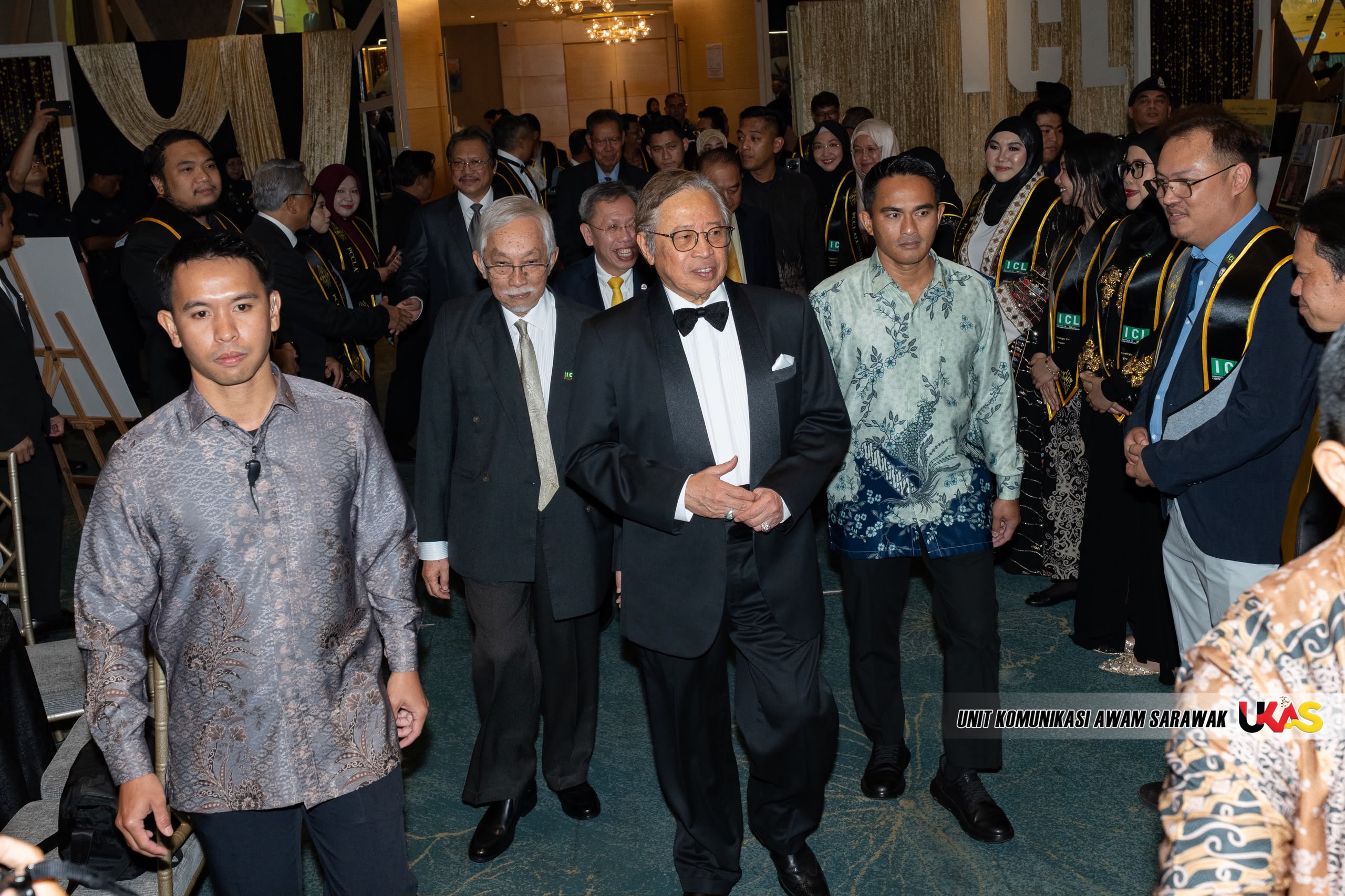
Touching on the programme, Tiang, who is also Pelawan assemblyman, said it brought together about 120 to 150 members of the hawker community and their families.
He said the programme also served as a platform for him to engage with the local community and interact with them in a more relaxed setting.
Informal gatherings such as barbecues made it easier for him to socialise with members of the community while giving them an opportunity to communicate directly with him.
“When we hold barbecues like this, it is easier for us to meet, socialise and get to know each other. They can also talk to me at any time. I think this kind of atmosphere makes it easier for everyone to meet, greet and chat,” he said.
According to Tiang, some of the participants were members of the hawker community from Pasar Sentral, the Medan Selera Muhibah area and Taman Rejang who gathered in Sungai Merah.
He added that the approach of engaging with the community face-to-face would continue, allowing him to get to know residents better while giving them an opportunity to understand their government representatives.