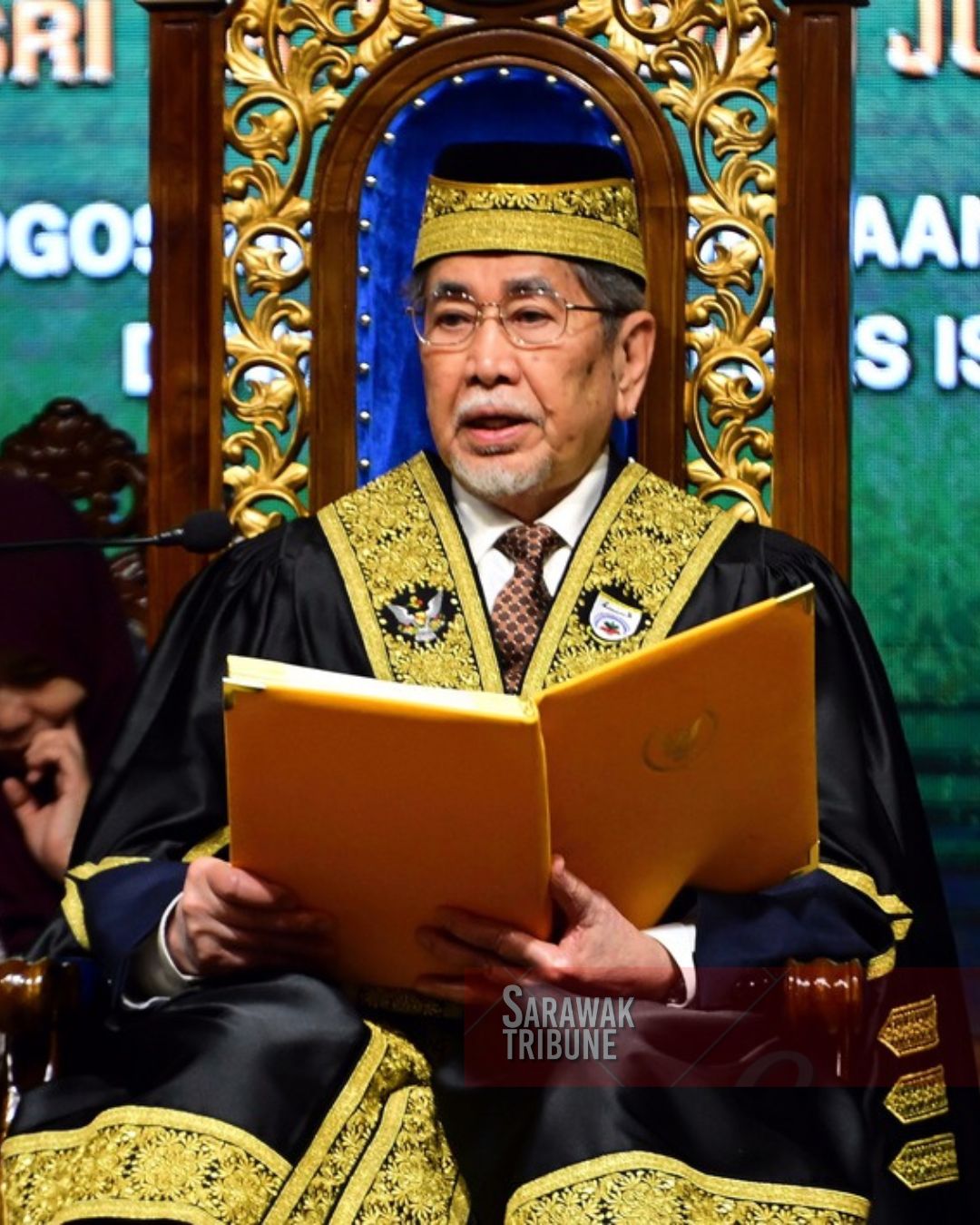
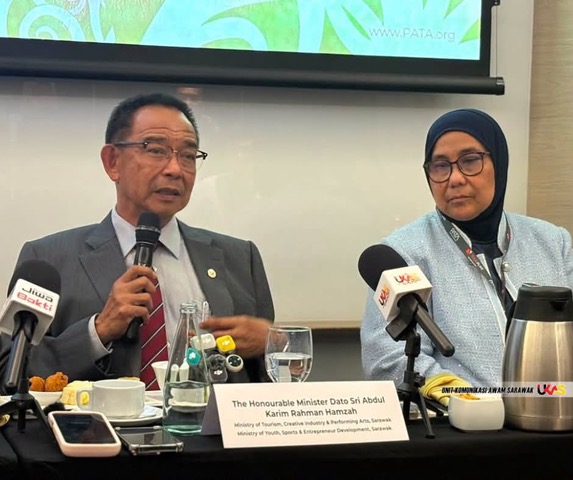
KUCHING: DAP’s overwhelming decision to remain in the Unity Government has strengthened Prime Minister Datuk Seri Anwar Ibrahim’s political position, but does not guarantee his government will complete its term.
Political sociologist Professor Dr Novel Lyndon said the decision was highly significant in consolidating Anwar’s position by removing an immediate source of uncertainty within the ruling coalition and giving him greater political space to govern.
At the DAP national congress on Aug 16, some 88 per cent of delegates — 1,857 against 242 — voted for the party to remain in the Unity Government.
Lyndon said the overwhelming mandate made an immediate rupture between DAP and the coalition less likely, thereby strengthening the government’s political stability.
“Coalition governments survive not only through parliamentary numbers but also through continuing negotiation among parties representing different ethnic constituencies, ideological traditions and regional interests,” he said.
As one of the principal components of Pakatan Harapan (PH), Lyndon said DAP provided Anwar with parliamentary strength, administrative capacity and legitimacy among many urban, non-Malay and reform-oriented voters.
Its continued participation, he added, also prevented opposition parties from portraying the Unity Government as being on the verge of collapse.
However, Lyndon cautioned that the vote should not be interpreted as unconditional confidence in Anwar’s leadership.
He said delegates at the congress had demanded faster institutional reforms, stronger accountability and a reassessment of DAP’s relationship with the Prime Minister.
Some delegates had also argued that DAP should be prepared to leave the government if it continued to underperform.
“The vote therefore constitutes conditional consent rather than a blank cheque. It stabilises Anwar externally while increasing pressure on him internally,” he said.
Lyndon said the bigger challenge was the growing tension between political stability and DAP’s ideological credibility.
While DAP’s continued participation helps preserve the government, he said its acceptance of compromises on issues involving reform, corruption, race and religion could potentially alienate its traditional supporters.
“Following electoral setbacks in Sabah, Johor and Negeri Sembilan, remaining in government without demonstrating policy influence may deepen the perception that DAP is merely supplying parliamentary numbers,” he said.
Such a situation, Lyndon added, could eventually lead to voter disengagement, protest voting or the emergence of alternative reformist movements.
He stressed that elite-level coalition stability could therefore coexist with declining grassroots legitimacy.
For Anwar, he said, DAP’s decision had closed one important route to government instability, but his ability to complete the current parliamentary term would still depend on other power centres.
These include PKR’s internal cohesion and the continued support of Barisan Nasional, Gabungan Parti Sarawak (GPS), Gabungan Rakyat Sabah (GRS) and other regional partners.
“DAP’s decision closes one important route to government instability, but it cannot eliminate tensions involving leadership succession, policy disagreements, economic dissatisfaction or changing political calculations among coalition partners,” he said.
Overall, Lyndon said the vote substantially strengthened Anwar’s short-term political security and made an immediate collapse of the government less likely.
However, he stressed that maintaining parliamentary numbers alone would not be enough to strengthen the Prime Minister’s longer-term authority.
“Anwar’s longer-term strength will depend not merely on maintaining parliamentary numbers, but on converting coalition stability into economic performance, institutional reform and public legitimacy,” he said.
In political-sociological terms, Lyndon concluded, DAP had strengthened Anwar’s capacity to remain in office — but whether it strengthened his authority to govern effectively would depend on what the government delivered during the remainder of its term.