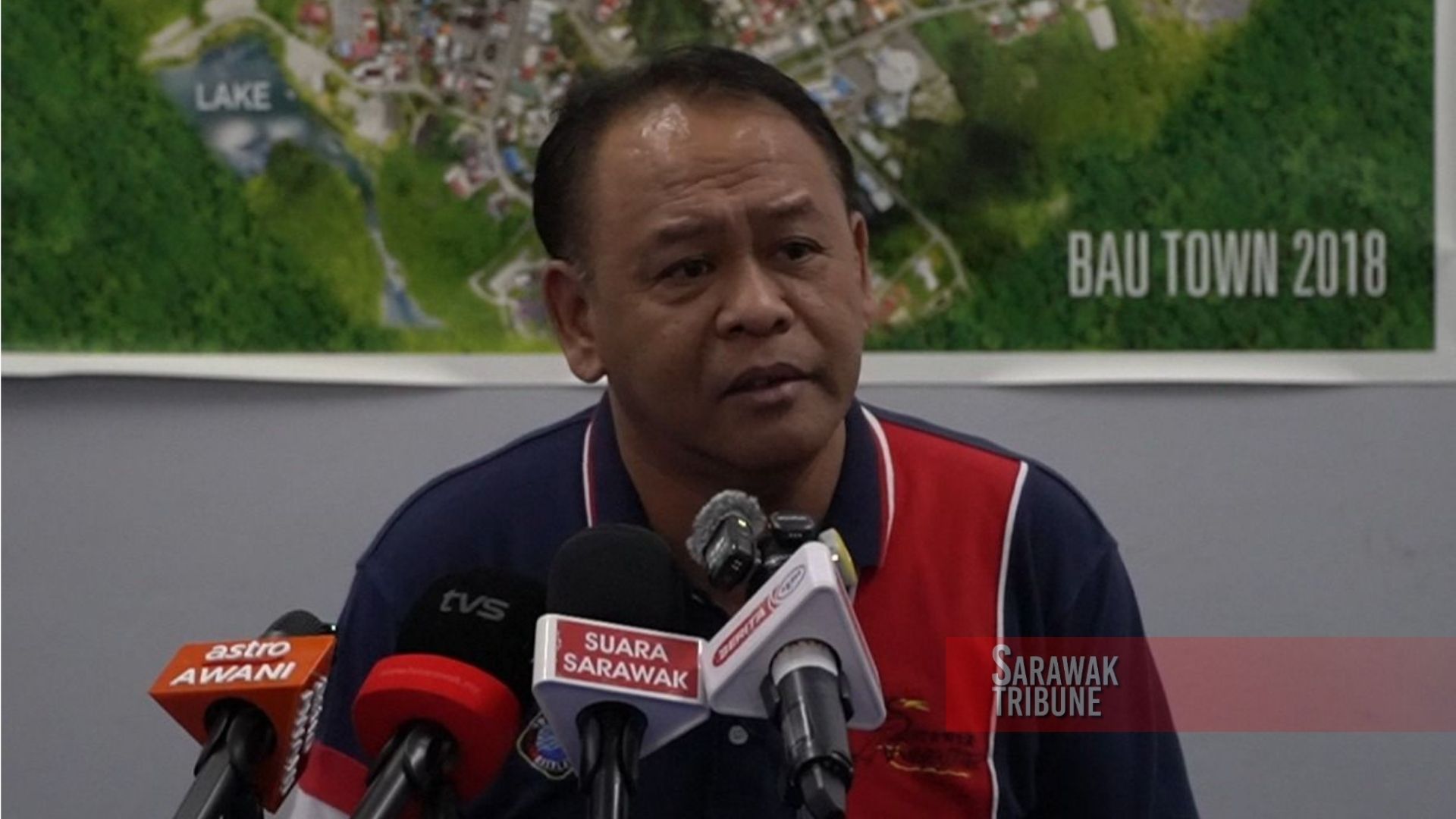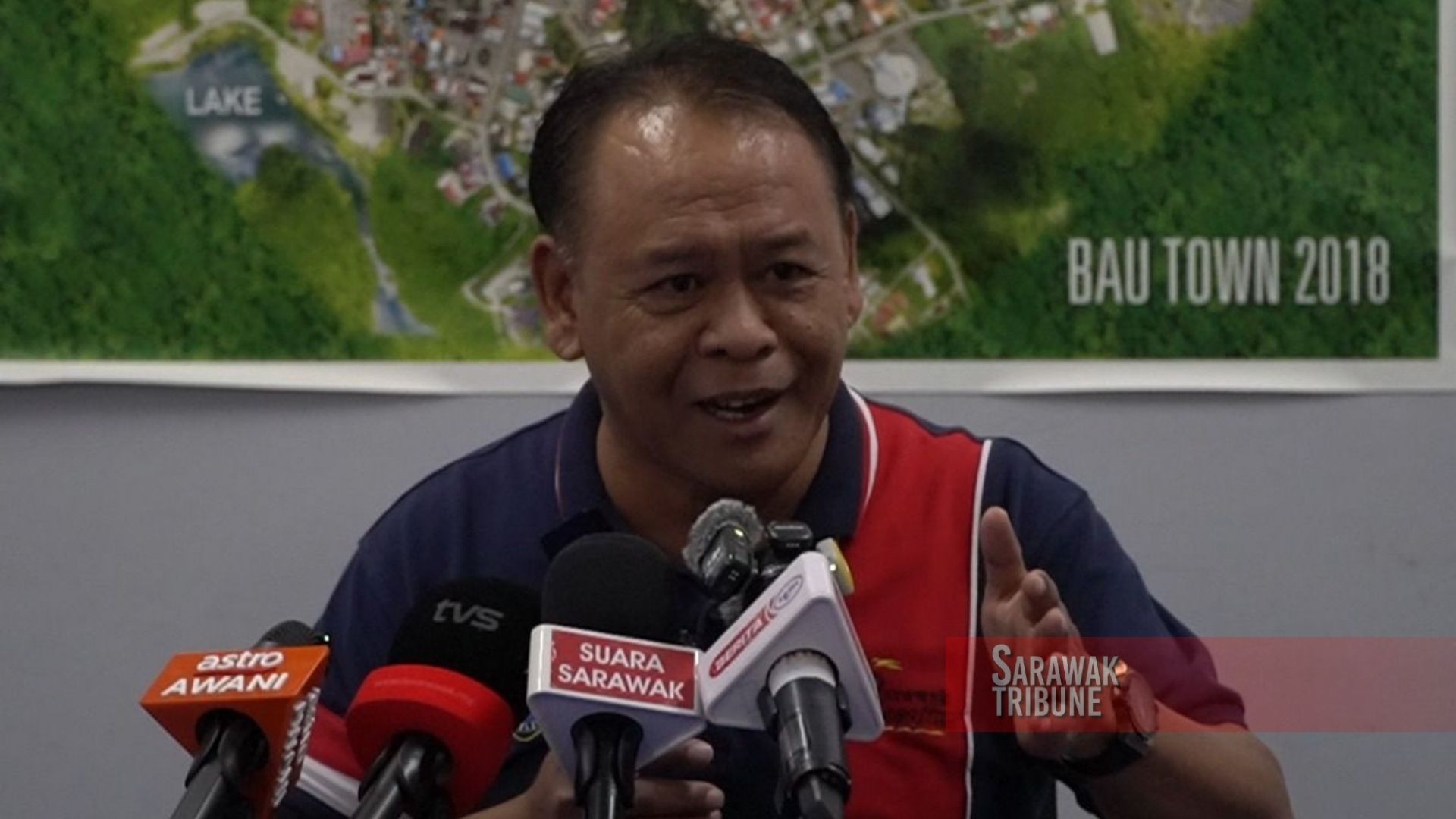
BAU: Education and creating sustainable sources of income for families will be among the key priorities for Bau over the next five years as development shifts beyond the provision of basic infrastructure.
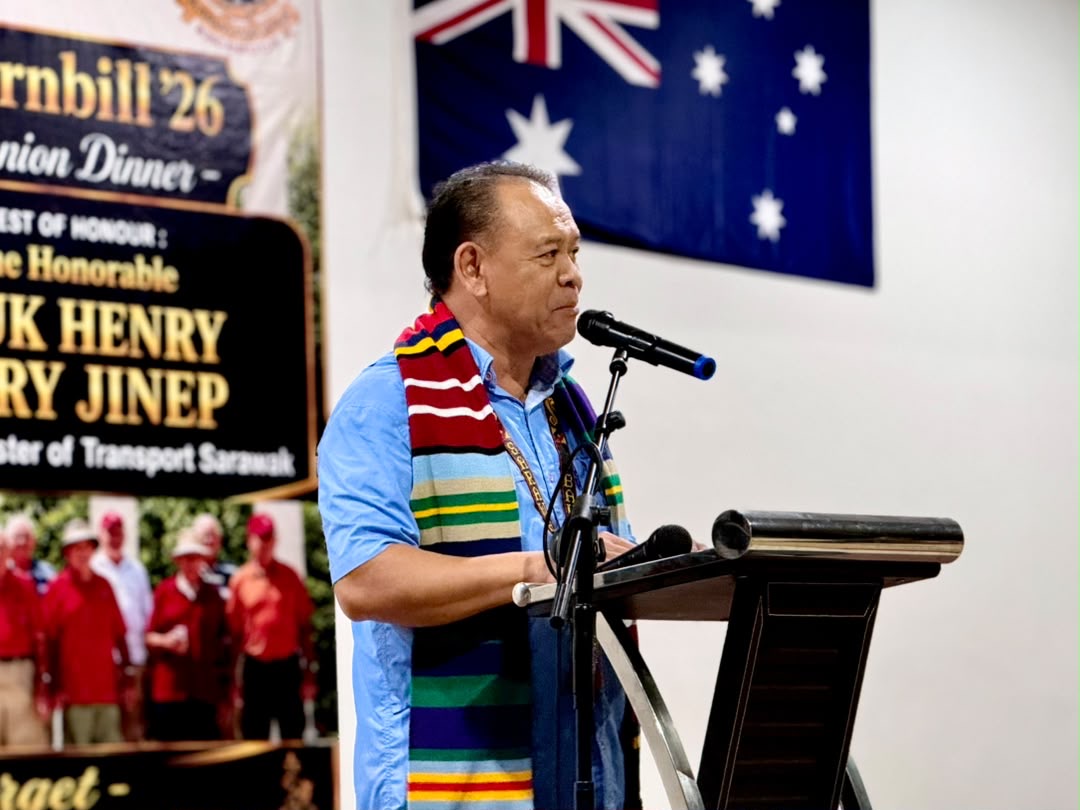
Tasik Biru assemblyman Datuk Henry Harry Jinep said considerable progress had been made in providing essential infrastructure such as roads, electricity and water supply, with the next phase focusing on strengthening the socio-economic well-being of communities.
“The next five years will be more focused on socio-economic development. We have provided much of the basic infrastructure — roads, electricity and water.
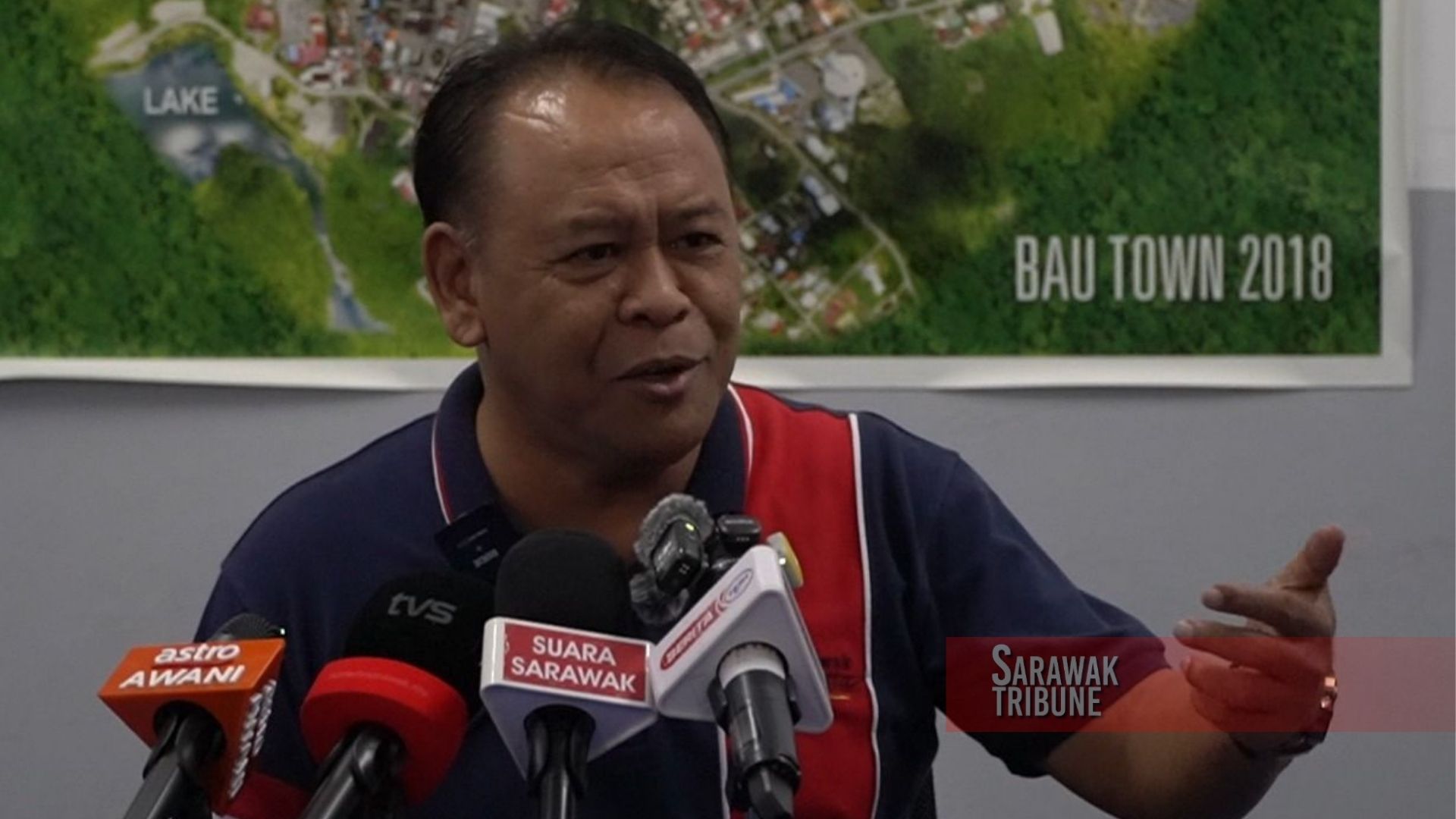
“Now, people are looking beyond these basic needs,” he said when asked about his priorities for the next five years during a press conference here today (Aug 25).
Henry, who is also Deputy Minister of Transport (Riverine and Maritime), said the shift reflected how the needs and expectations of communities had evolved as basic infrastructure was progressively put in place.
Rather than focusing solely on physical development, he said the next step was to ensure that progress on the ground translated into better livelihoods and greater economic opportunities for the people.
“This means creating opportunities for families to earn sustainable incomes and improve their quality of life.
“What people want now is a source of income for their families and to be able to put food on the table, so we have to identify socio-economic activities that can sustain families who continue to live in our villages,” he said.
On education, Henry said it would remain a key priority alongside efforts to strengthen the socio-economic position of families.
“Education will remain our foremost priority, followed by efforts to strengthen socio-economic opportunities for the people. When families have a stable source of income and stronger purchasing power, they are better able to support themselves and build a more secure and stable life,” he said.
Reflecting on his tenure in Tasik Biru, Henry said it was ultimately for the people to assess what had been achieved, acknowledging that development required time and continuity.
“I have done my job, but it is not for me to say whether I am satisfied. The people themselves will judge whether they are satisfied with what has been delivered.
“We cannot achieve 100 per cent or deliver everything at once because development takes time. But the important things are already in place.
“People have seen the results and the changes taking place, and this development will continue,” he added.