KUCHING: Artificial intelligence (AI) and digital platforms are rapidly transforming Malaysia’s media landscape, requiring traditional media practitioners to adapt to remain relevant and competitive.
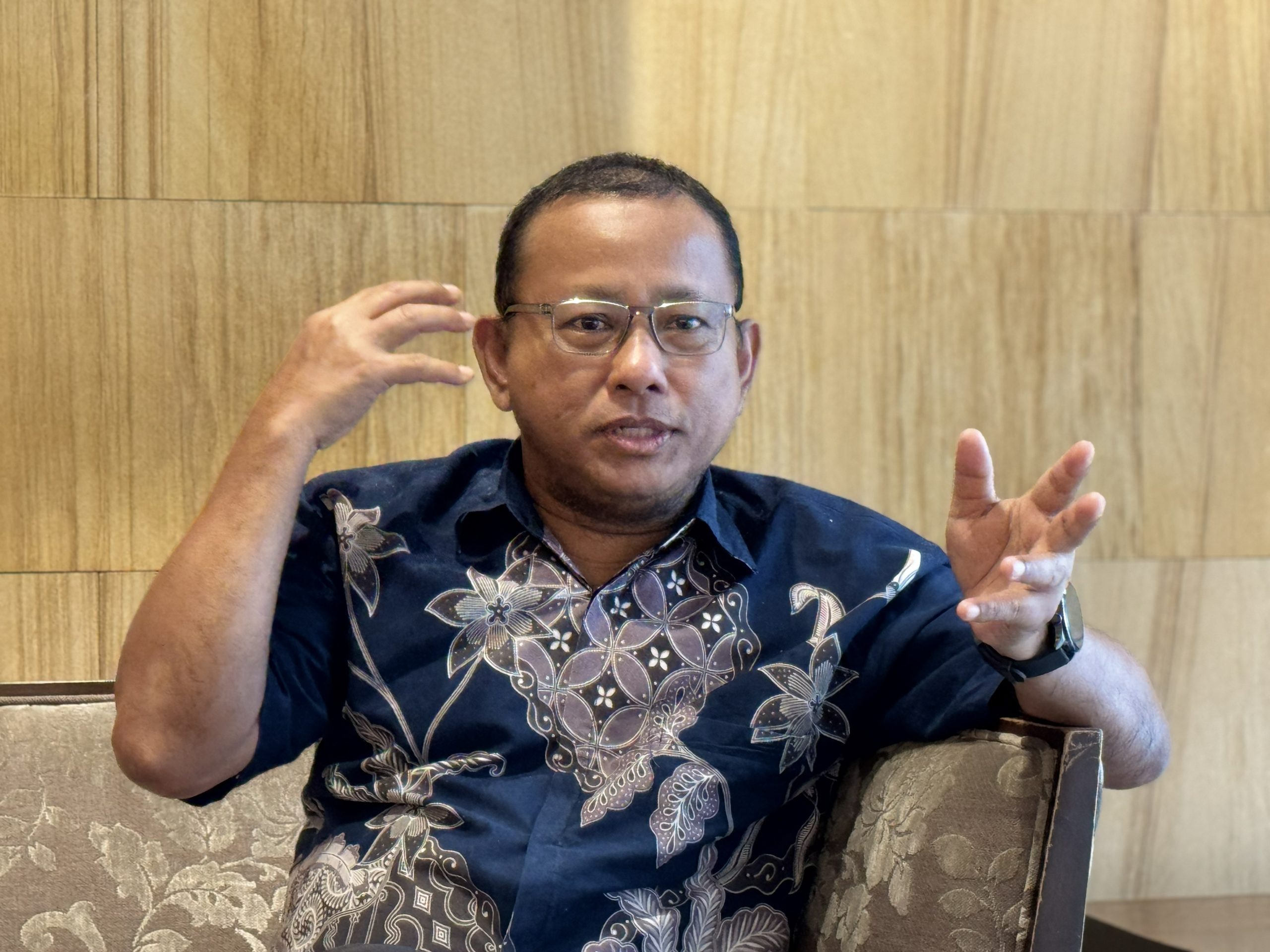
Deputy Dean (Research and Postgraduate Studies) of UCSI University Professor Dr Hamedi Mohd Adnan said technological advancement had significantly changed how audiences accessed news, information and entertainment.
“Social media is challenging the relevance of traditional media,” he told reporters during an interview at the Grand Margherita Hotel here on Thursday (Aug 27).
He said traditional media, particularly newspapers and magazines, faced disadvantages because their production processes were slower and involved significantly higher operating costs.
“With social media, it is very fast. You can post directly from the location, and immediately reach readers, viewers and audiences.”
According to Prof Hamedi, audiences were increasingly turning to digital platforms because they provided faster access to information while traditional publications required longer preparation before reaching readers.
He said the rapid development of AI would further transform journalism by allowing media organisations to produce content more efficiently while reducing operational costs and manpower requirements.
“Instead of sending your people there, you just prompt AI and it will give you the information you need,” he said, describing AI as an important resource for news organisations.
However, he stressed that journalists must still verify AI-generated information to ensure accuracy despite the technology’s ability to process information quickly and efficiently.
On challenges facing Malaysia’s media and publishing industry, he said restrictions surrounding sensitive issues, particularly race, religion and royalty, could affect journalists’ freedom to report.
“News or journalism must always be based on truth. It must be based on facts,” he said, adding that legal avenues were available when reports were inaccurate or defamatory.
Meanwhile, he said print media faced different prospects, with magazines experiencing the greatest decline while newspapers continued to survive through readership and advertising support.
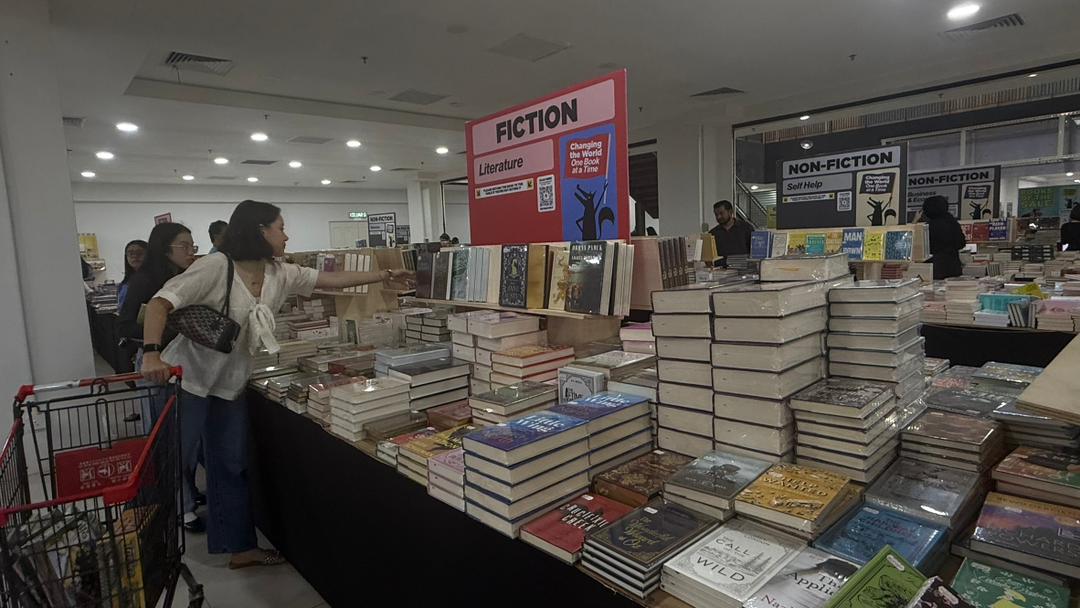
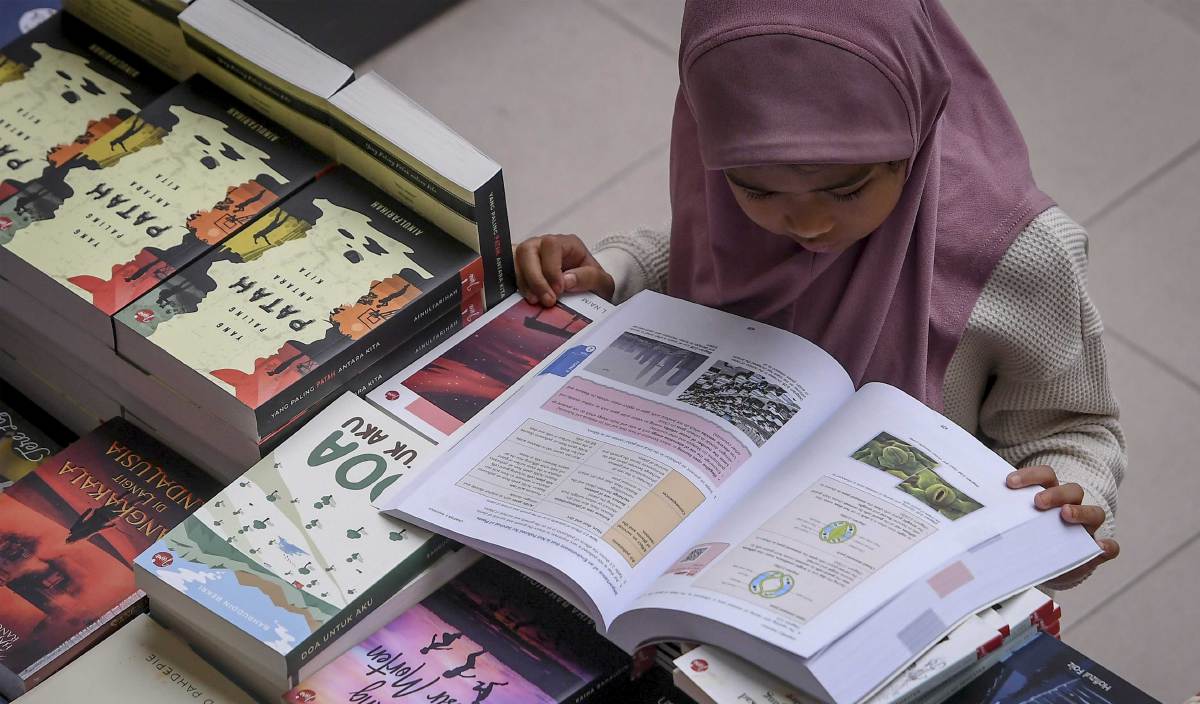
He said books remained comparatively resilient, with physical publications continuing to attract readers despite the growing availability of digital books and e-books.
“Books are still surviving, still strong, and people are still buying physical books,” he said, expressing confidence that printed books would remain relevant for at least the next 20 years.
For young journalists and media practitioners, he stressed the importance of multitasking, saying modern reporters must master writing, interviewing, photography and various technical skills.
“The era when a reporter only needed to know how to write is over. You have to master everything,” he said, urging practitioners to continuously adapt.
He added that journalists must embrace new working methods, including producing news directly from event locations, to remain competitive and relevant in an increasingly digital media environment.