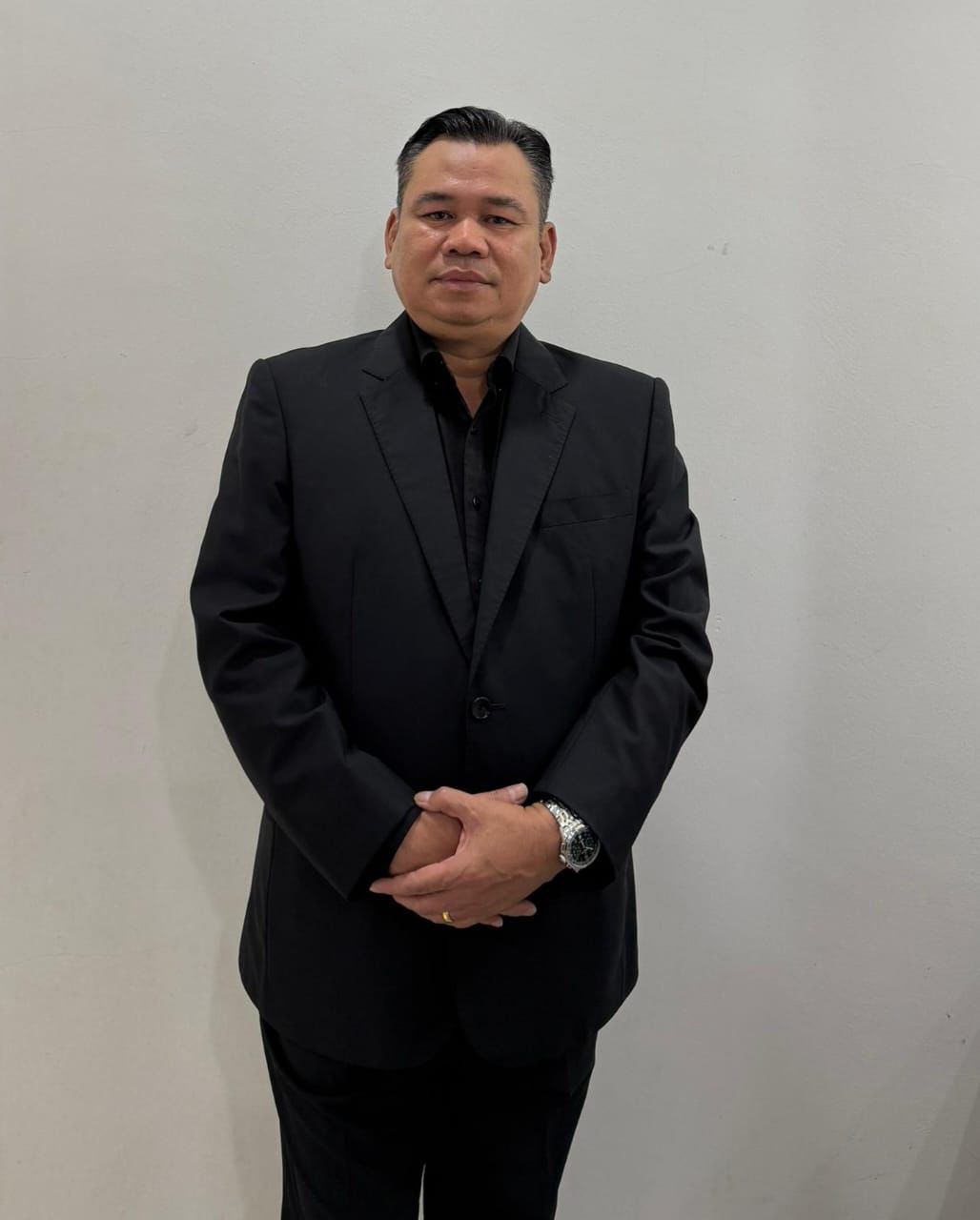
KUCHING: Selangau should be allocated a third state constituency to ease the heavy service burden on elected representatives covering hundreds of scattered rural settlements, says Tamin assemblyman Christopher Gira Sambang.
He urged the Election Commission (EC) to reconsider its proposed electoral boundaries and create a new Bukit Arip seat by reorganising the Tamin and Kakus constituencies.
Gira said Selangau, with 49,266 registered voters, remained divided between only Tamin with 25,311 voters and Kakus with 23,955 despite the proposed addition of 17 state seats across Sarawak.
“This means an assemblyman in Selangau has to represent almost twice the number of voters represented by an assemblyman in Kapit,” he said in a statement.
He said the average number of voters per state seat in Selangau stood at 24,633, compared with 12,643 in Kapit, 13,345 in Batang Sadong, 13,354 in Hulu Rajang, 15,357 in Batang Lupar and 17,157 in Sri Aman.
He noted that several parliamentary constituencies with comparable or smaller electorates were allocated between three and four state seats under the proposal.
Beyond voter numbers, Gira said Selangau covered about 9,193 square kilometres and had difficult terrain, limited road connectivity and hundreds of widely dispersed longhouses and rural settlements.
Tamin alone has about 400 longhouses, while Kakus has around 350.
“Electoral boundaries should not be determined solely by the number of voters.
“Geographical size, travelling distance, accessibility, the number of settlements and the ability of elected representatives to serve effectively must also be given due consideration,” he said.
Gira, who is also Parti Rakyat Sarawak (PRS) Youth chief, said creating Bukit Arip would give Selangau a more reasonable and balanced total of three state seats.
He stressed that the proposal was not intended to give any political party an advantage, but to ensure rural communities received more effective representation, public services and development attention.
He said PRS Youth would scrutinise the proposed boundary plan and submit its representation to the EC within the stipulated period.
“True equality means that every citizen, including those living deep in the interior, has fair access to elected representatives, government services and development opportunities,” he said.