KUCHING: The proposed increase in state constituencies, particularly in urban and semi-urban areas, reflects Sarawak’s changing population landscape as more people move from rural areas in search of jobs and better opportunities.
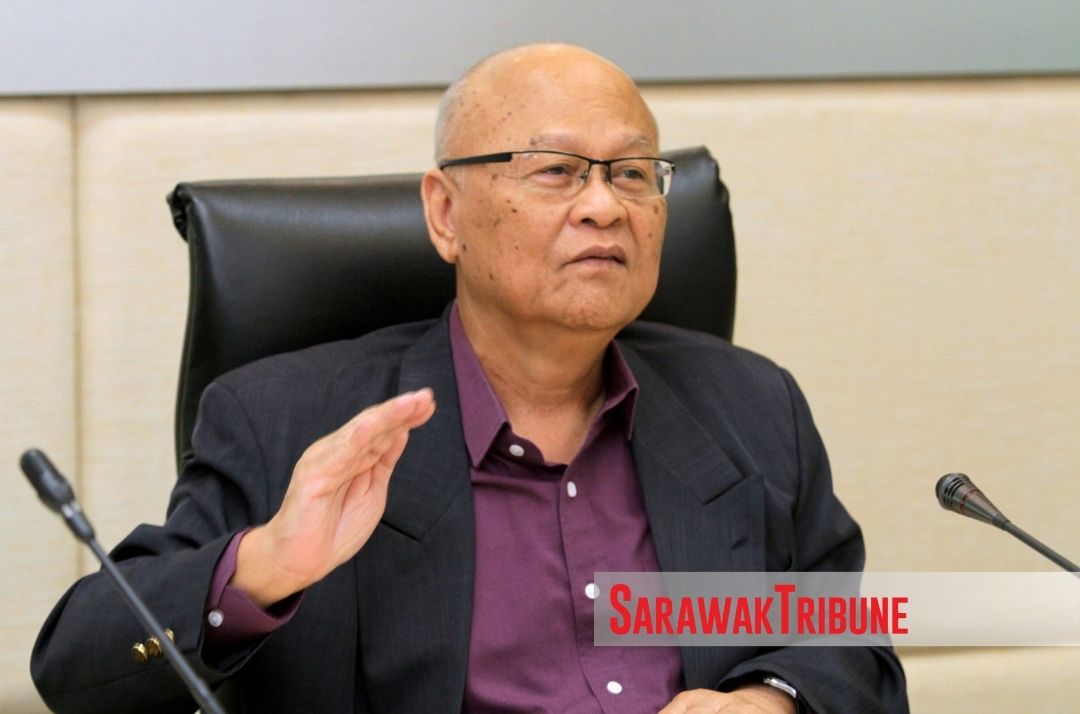
Political pundit, Datuk Peter Minos, said the population shift has naturally created a greater need for political representation in areas experiencing growth.
“Urban and semi-urban areas have received a lot of rural folks seeking jobs and better opportunities. With more people now living in these urban and semi-urban areas, they naturally seek better political representation,” he told Sarawak Tribune.
Minos said the proposed addition of 17 state constituencies was therefore a natural progression, particularly given Sarawak’s growing population and vast geographical size.
“Definitely, our population has increased over the years, necessitating an increase in DUN seats to provide better service to the people. Sarawak is huge, almost the size of the peninsula, and the more assemblymen we have, the better,” he said.
However, Minos stressed that increasing the number of elected representatives alone would not necessarily guarantee better service, as much would depend on the quality and ability of those elected.
“More assemblymen means better service, assuming of course those elected are good and can deliver. It will depend very much on the quality and ability of the new assemblymen,” he said.
For Gabungan Parti Sarawak (GPS), Minos said the next challenge would be identifying suitable candidates who understand the constituencies and have some familiarity with the communities they could potentially represent.
He said newly elected representatives would need time to familiarise themselves with their constituencies, meet residents, understand local needs, and establish working relationships with the relevant agencies for funding and development projects.
“There is a need to find good and suitable candidates, those who have some knowledge and information about the areas and who know some of the people there.
“Other challenges are manageable and can be tackled over time. But they must win first and then work on the people and the issues,” he said.
Minos said GPS component parties would also need to begin identifying potential candidates before presenting their choices to the coalition leadership and Premier for the final decision.
He believed securing all 17 proposed constituencies would provide a major boost for GPS and serve as an indication of continued public confidence in the coalition.
“If GPS wins all the new 17 DUN seats, this will be a big booster and very good for morale. Provided the new candidates are good and can learn fast, GPS is in for good luck and a big ‘ang pow’,” he said.
Minos said a stronger GPS would, in turn, put Sarawak in a better position to pursue the State’s rights and interests, including matters involving oil and gas and the Malaysia Agreement 1963 (MA63).
“A bigger and stronger GPS will mean Sarawak has more leverage in getting more from PETRONAS from oil and gas, which are really ours by natural right and Sarawak laws, and in getting all Sarawak’s rights and entitlements under MA63.
“All things considered, a stronger GPS is good for Sarawak and good for all of us,” he added.