After years of writing about Hungry Ghost Month from an observer’s perspective, taking part in the ritual for the first time offered a deeper understanding of a tradition shaped by remembrance, gratitude, family and community.
From Fear to Reflection
There are still several days to go before the end of Hungry Ghost Month, or Zhong Yuan Jie, which falls on September 10 this year. Yet beyond the superstitions surrounding this so-called ‘dark’ month are lessons about gratitude, humility, remembrance and humanity.
After researching and writing numerous articles about the festival over the years, I have come to understand its deeper meaning. Hungry Ghost Month, or Zhong Yuan Jie, is traditionally believed to be the time when the gates of the underworld open, allowing wandering spirits to enter the realm of the living.
Last year, I learned that the month was not simply about remembering the past and honouring tradition, but also about passing values such as respect, gratitude and kindness on to future generations.
These values, I realised, mattered far more than being afraid of the month. There is a belief that when we do good for others, good will eventually come our way.
This year, I was tasked by family members to arrange the ritual on their behalf. Despite having written about the practice several times, taking part in it myself proved to be a new and unexpected learning experience.
The ritual is traditionally observed on the 15th day of the seventh month of the lunar calendar, when the gates of the underworld are believed to open widest. On this day, many families commemorate and appease wandering spirits by offering food and burning paper paraphernalia.
Preparing for the ritual
Armed with all the theory lessons I had learned through interviews, as well as advice from elders and relatives who had performed the ritual over the years, I began preparing a week in advance.
It started with a visit to 688 Kuching, a shop selling religious and traditional Chinese goods, where I was guided on what to buy and how to conduct the ritual.
Paper paraphernalia accounted for the largest part of the budget, with numerous items to purchase. I was introduced to different types of ‘spirit money’, each with its own purpose.
Some were meant to accompany spirits into the afterlife, while others were offerings for the gods or currency believed to be used in the spirit realm. I was fascinated by the level of detail involved in a practice I had written about several times but had never personally examined so closely.
When I touched the colourful paper clothes and other offerings prepared for child spirits, I felt a pang of sadness. The sight reminded me to count my blessings and remain humble and grateful for what I have.
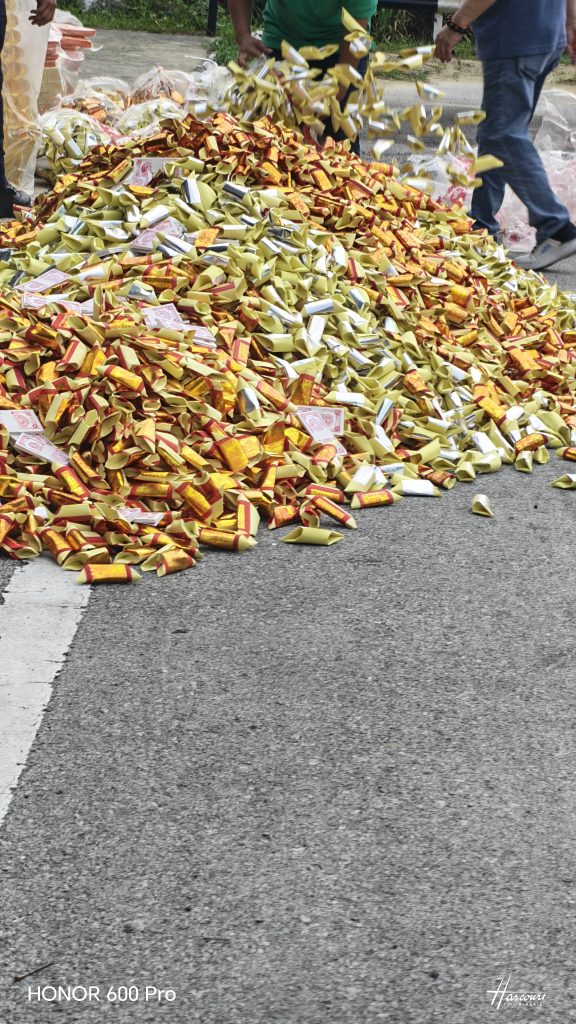
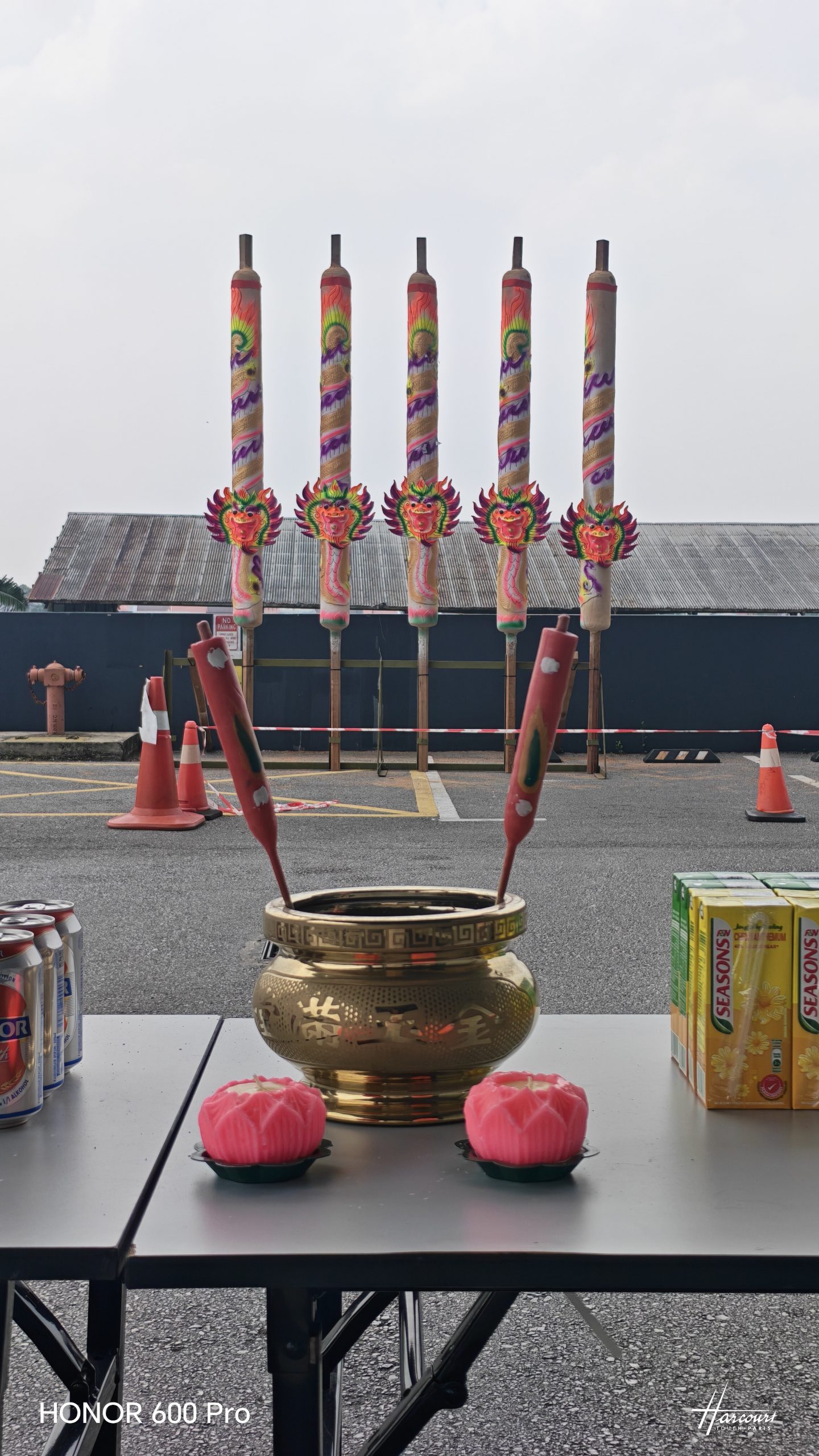
Joss sticks and candles were the next essentials on our list. They are traditionally believed to help guide spirits towards the offerings, while the candlelight serves as a beacon in the darkness.
As the items were carefully arranged alongside the food and paper offerings, I began to realise that everything had a purpose and nothing was placed there merely for the sake of tradition.
Even the flags placed along the roadside were believed to serve as a pathway for wandering spirits, signalling that an ‘open house’ had been prepared for them.
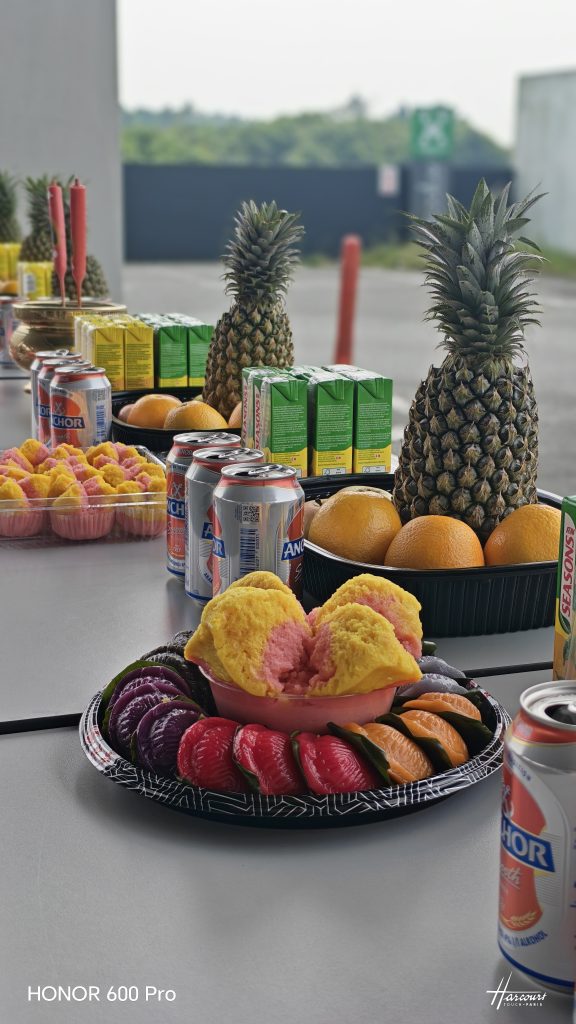
Choosing the food offerings also took some thought. I wanted them to be meaningful and traditional, while still being practical.
Fruits such as pineapples, apples and oranges carry auspicious meanings associated with prosperity and peace. I also included traditional ang ku kueh and huat kueh, which symbolise prosperity and happiness.
Ultimately, I wanted the offerings to be more than food placed on a table. I wanted each item to carry a little meaning — a gesture of respect, gratitude and goodwill towards those believed to be visiting during this special time of year.
The day of the ritual
We chose to conduct the ritual in the afternoon rather than the evening.
On the day itself, the atmosphere felt solemn, as though we were taking time to honour the dead through our thoughts and offerings. As I arranged the table and placed the flags by the roadside, I began to see humility in a different light.
It was not simply about being grateful for what we have, but also about remembering those who came before us and respecting traditions passed down through generations.
When the time came, family members gathered to help, bringing a strong sense of community to the occasion. What could have been a solemn ritual became a moment of togetherness, reminding me that traditions are often kept alive not by one person, but by a community coming together.
After the head of the family sought permission from the wandering spirits, also known as hao xiong di — ‘good brothers’ in Hokkien — we proceeded to burn the paper paraphernalia.
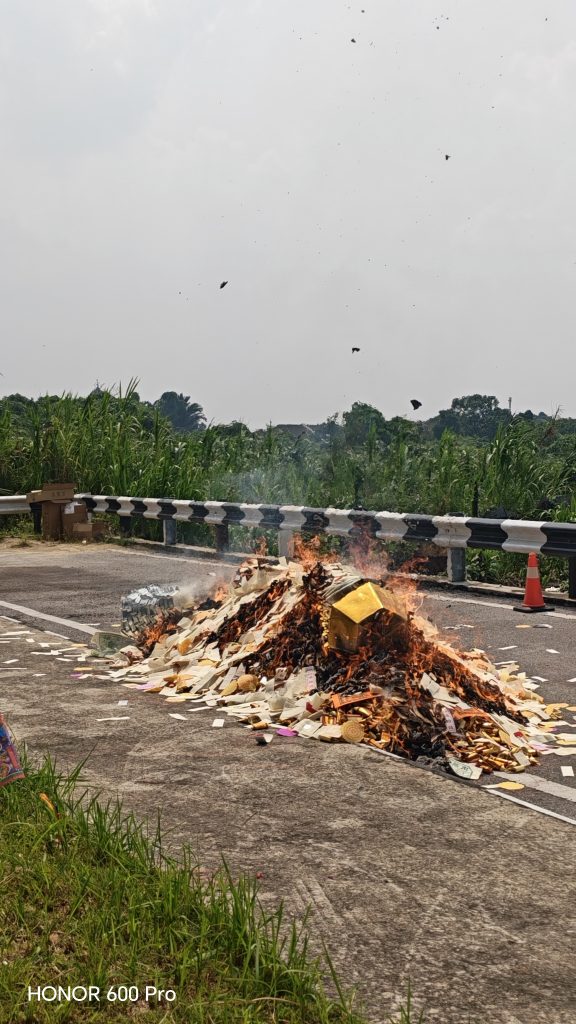
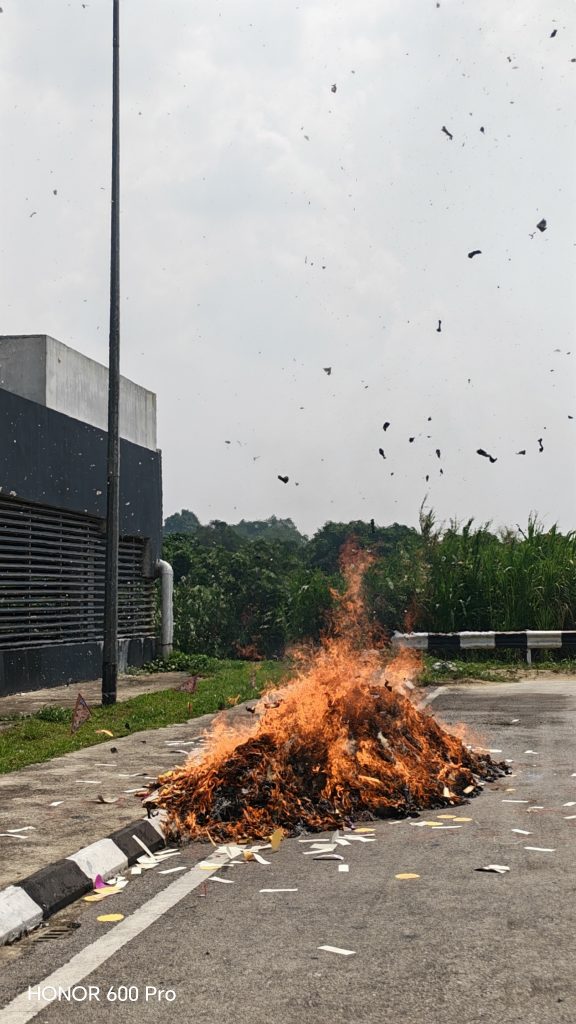
It was our way of paying tribute to them while seeking blessings and protection for the year ahead.
Taking part in the ritual changed my perspective on Hungry Ghost Month. What I once viewed mainly as a month to be feared became a time for reflection and remembrance.
In remembering the dead, I learned to appreciate what I have, be grateful for the blessings in my life and, perhaps most importantly, remain humble.
The experience also showed me that traditions are not merely about preserving the past. They can bring the living together, strengthen our sense of community and remind us that we are never truly alone.